
Desktop Sharing: How to Share Your Screen and Control Access
Learn how to share your desktop for presentations, troubleshooting, or remote access. Compare six tools, their free-use limits, and how to control access.

By Ellie / Updated on November 9, 2026


How can I share my desktop with someone else?
Choose a tool based on what the other person needs to do:
- Watch a presentation: Share your screen or an application window through a meeting tool.
- Help fix a problem: Use a remote support tool and approve control when needed.
- Access your own computer: Configure unattended access before leaving the device.
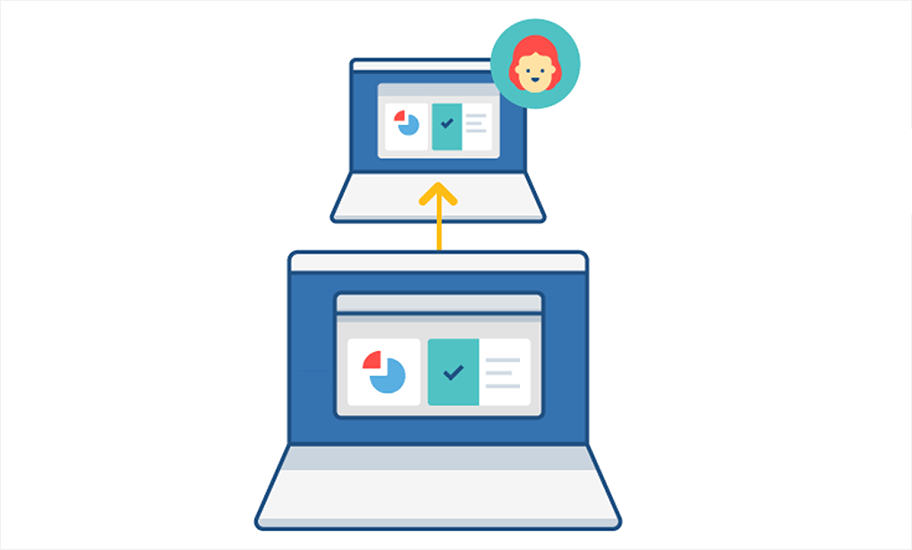
Screen sharing lets another person see your desktop. Remote control also lets them interact with it using a mouse and keyboard.
For troubleshooting, explore AnyViewer remote support. For access to your own computer, review remote access options.
Which desktop sharing tool fits your task?
| Tool | Best fit | Main condition to check |
| AnyViewer | Remote troubleshooting and access to configured computers | Device support, permissions, and plan limits |
| TeamViewer | Personal assistance or licensed business support | Personal versus commercial-use conditions |
| Zoom | Presentations, lessons, and meetings | Meeting duration and sharing permissions |
| Chrome Remote Desktop | Basic remote access and one-time assistance | Host setup and Google account requirements |
| Microsoft Quick Assist | Attended support between Windows PCs | App availability and user approval |
| Splashtop Personal | Non-commercial access on a home network | Local-network restrictions and paid outside access |
Need a broader comparison of free access options? See these free remote desktop sharing tools and their limits.
Best remote desktop sharing tools in 2025 [6 options]
Here are the top 6 tools in 2025 that make desktop sharing smooth, secure, and effective for all types of users.
1. AnyViewer — Desktop sharing for remote troubleshooting
Best fit: Users who need to view and operate an authorized remote computer, rather than only present a screen to an audience.
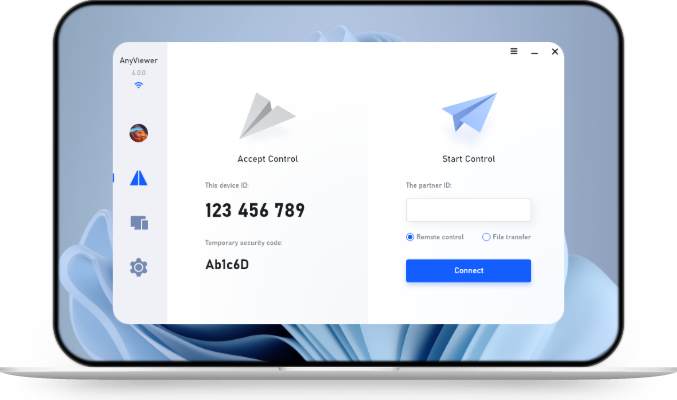
AnyViewer supports remote access and assistance on supported devices. You can ask another user to approve a connection for troubleshooting, or configure access to your own computer in advance.
Check the required platform capabilities before connecting. Screen viewing, remote control, and other features may differ by operating system and plan.
Useful features for desktop sharing:
- Attended assistance: Request access and wait for the other user’s approval.
- Unattended access: Connect to your own authorized devices after setup.
- In-session chat: Explain actions and confirm results during support.
- File handling: Use file transfer when troubleshooting requires exchanging documents or resources.
- Team access controls: Review role permission management when multiple technicians manage devices.
Available features and limits depend on the selected plan and platform.
Free plan and optional upgrades
Start with AnyViewer’s free plan to test your connection and support workflow.
If you need more device capacity, privacy features, or team administration, compare the current plans. For shared business devices, explore AnyViewer for business.
2. TeamViewer — Personal assistance and licensed business support
Ideal for: Enterprise users, managed IT services, global teams
TeamViewer provides remote access and support across supported devices. Its free edition is intended for qualifying personal, non-commercial use; business support requires an appropriate license.
Check before choosing: Confirm the supported device capabilities, account requirements, and features included in your license.
Key Features:
- Supports Windows, macOS, Linux, Android, iOS
- Full remote control and file transfer
- Session recording and reporting
- Multi-user meeting capabilities
- Remote printing
- Wake-on-LAN and unattended access
Free-use limit: Personal, non-commercial use only. Check current business plans for professional use.
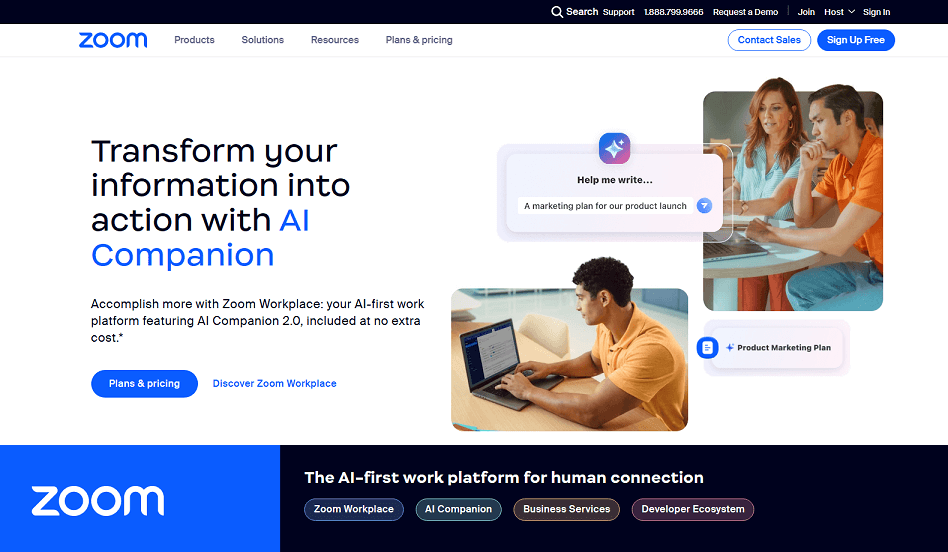
3. Zoom – Best for presentation-based screen sharing
Ideal for: Webinars, remote teaching, team meetings
Zoom is best known for video conferencing, but it also offers excellent screen sharing functionality. You can share your entire desktop or a specific app window while conducting a call, complete with annotation tools and breakout rooms.
Key Features:
- Real-time screen sharing during calls
- Whiteboard and drawing tools
- Share specific windows or full screen
- Multi-user collaboration
- Remote control option available
- Browser and mobile support
Free-use limit: Basic-hosted meetings are generally limited to 40 minutes. Check current account conditions and sharing permissions.
4. Chrome Remote Desktop — Basic remote access and assistance

Best fit: Users who need basic access to a personal computer or occasional help from someone they trust.
Chrome Remote Desktop offers remote access through a Google account and one-time support sessions. The computer being accessed needs the host software and the required permissions configured first.
Check before choosing: Confirm host compatibility and setup requirements. A browser-based connection does not mean the remote computer needs no software.
Key Features:
- No installation required for Chrome users
- Easy remote access setup
- Secure via Google account sign-in
- View and control another screen remotely
- Available on all major platforms
Pricing:
- Completely Free – No paid versions or premium tiers
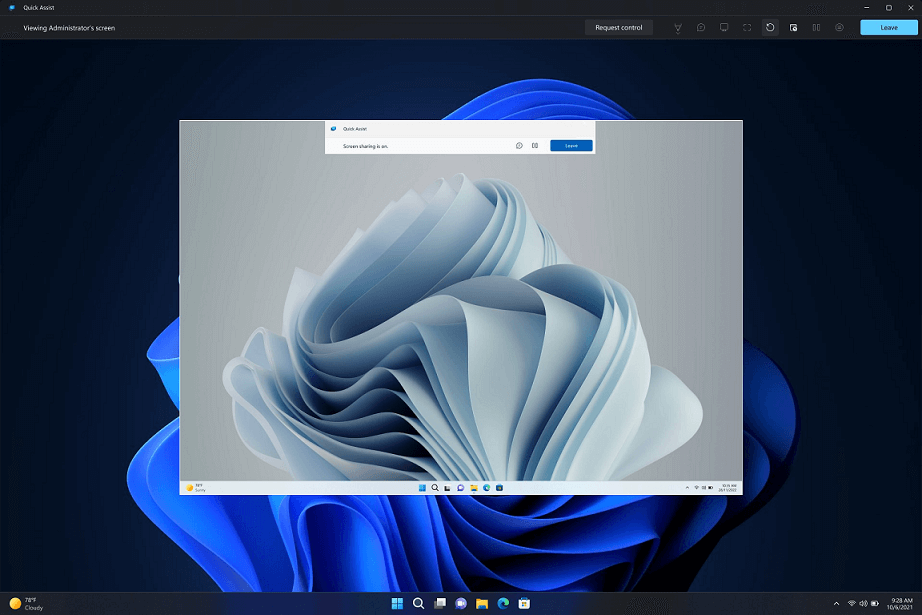
5. Microsoft Quick Assist — Attended help between Windows PCs
Best fit: Windows users helping a colleague, friend, or family member who is present.
Quick Assist lets a helper view another person’s screen and request control. Install or update the app if it is unavailable on either computer.
Key Features:
- Pre-installed on Windows
- Quick launch with a simple interface
- Secure sharing using session codes
- View-only or full-control options
- Suitable for training or tech support
Main limitation: Someone must participate at the remote computer. It is not a replacement for unattended access.
Pricing: Free to use.
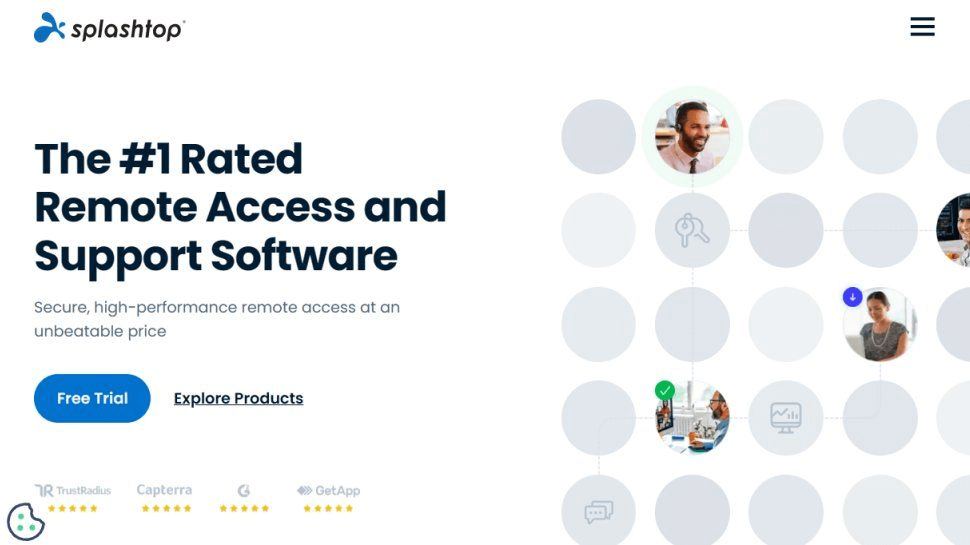
6. Splashtop Personal — Home desktop access on a local network
Best fit: Individuals accessing their own home computers for non-commercial use.
Splashtop Personal provides free access within a local home network. Access from an outside network requires a paid option.
Check before choosing: Confirm the computer limit and supported devices. Work-related use and advanced business features require an appropriate commercial product.
If you need access while away from home, compare outside-network costs before choosing.
Key Features:
- Access supported Windows PCs and Macs.
- Use applications and files on the remote computer.
- Free access is limited to non-commercial home-network use.
What should you check before sharing your desktop?
- Close private documents and unnecessary browser tabs.
- Pause notifications that could reveal sensitive information.
- Share only the window you need when the tool supports it.
- Confirm who can view or control your screen.
- End access when the task is complete.
For recurring support, decide whether attended assistance or preconfigured unattended access fits your workflow.
Conclusion
Choose desktop sharing software by the task: presenting, troubleshooting, or accessing your own computer. Check free-use limits and decide whether viewers need control.
To try AnyViewer for remote assistance, set up both devices and test an approved support session. Compare paid plans if your workflow needs additional device capacity or team features.


 as a preferred
source on Google