
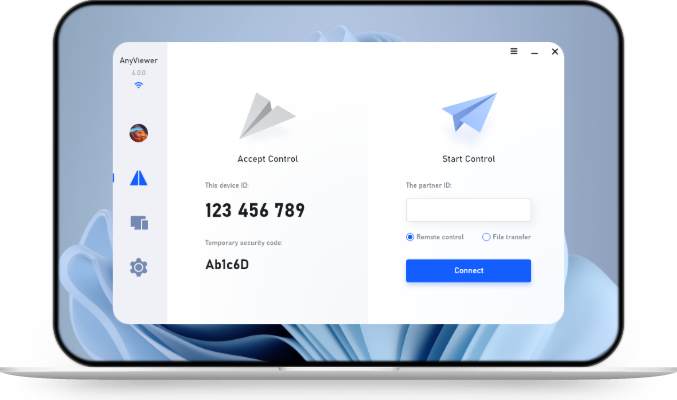
Free Remote Desktop Sharing Software: 6 Tools Compared
Compare free remote desktop sharing software, personal-use editions, and free trials. Check key limits and find a tool for remote access or support.

By Ellie / Updated on November 6, 2026


Which free remote desktop sharing software should you choose?
Start with the task you need to complete. For access to your own computer, look for unattended access. To help someone else, check how they approve the connection. For presentations, screen viewing may be enough without remote control.
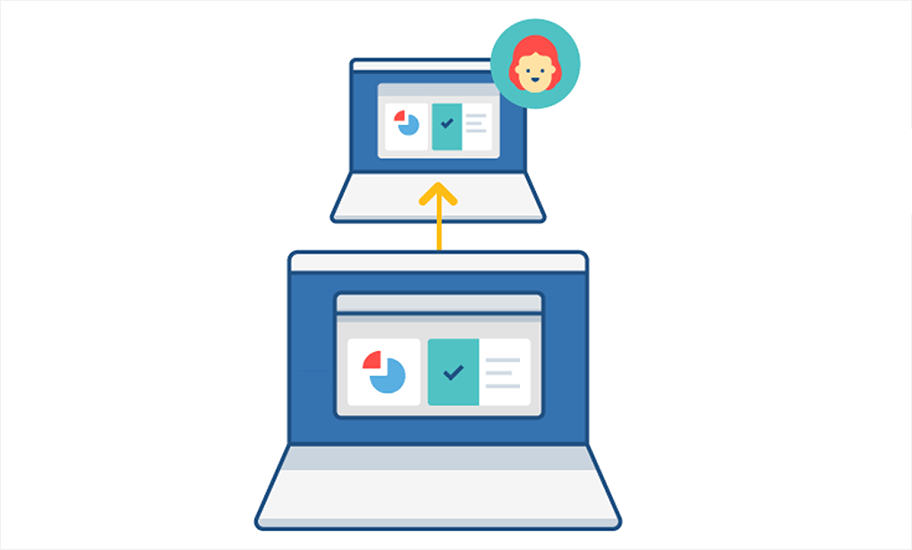
AnyViewer offers a free plan for getting started with remote access and support. Before choosing any tool, check its device limits, permitted use, and whether the features you need are included in the free edition.
Compare free plans and trial restrictions
A free download does not always mean ongoing free access. Check the type of offer before installing a tool.
|
Tool |
Free access type |
Main point to check |
|
AnyViewer |
Free plan for any use |
Device, session, and feature limits |
|
TeamViewer |
Free for personal, non-commercial use |
Whether your activity qualifies as personal use |
|
Zoho Assist |
Free edition and premium trial |
Which features remain after the trial |
|
Splashtop Personal |
Free local-network use |
Requirements for access outside your home network |
|
RemotePC |
Free trial of paid service |
Trial expiry and subscription terms |
|
GoToMyPC |
Free trial of paid service |
Trial conditions and ongoing cost |
Need a tool for work? Review the license terms carefully. You can also compare free commercial remote desktop software before choosing a business solution.
6 remote desktop sharing tools: free options and trials
From business-grade features to personal convenience, here are the top free remote desktop sharing software that stand out, starting with our top pick, AnyViewer.
1. AnyViewer — Free remote access and support with optional upgrades
Why AnyViewer Made the List
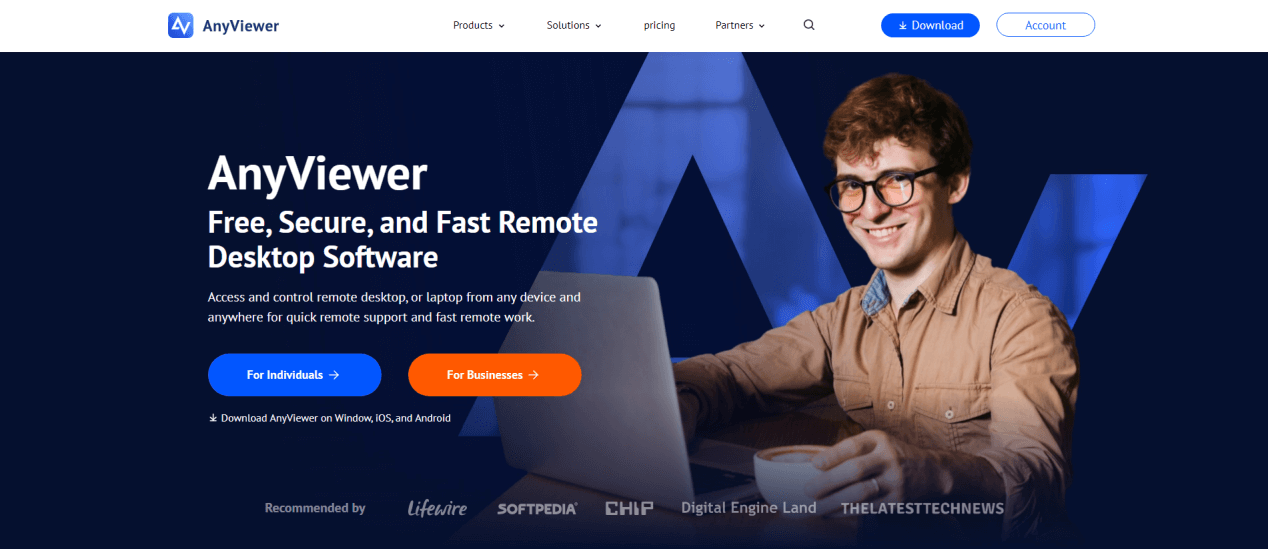
AnyViewer lets you view and control a supported remote computer, help another user, and transfer files between devices. Its free plan provides a starting point for trying these workflows before deciding whether you need additional capacity or features.
For your own computers, configure access in advance and keep the remote device online and awake. For support sessions, ask the other person to approve your connection request.
If you need to move documents between computers, review how remote file transfer fits your workflow.
Best Fit: Individuals who want access to their own computers and users helping others with remote troubleshooting. Teams should compare plan limits and management features before deployment.
If several people need access to shared devices, explore AnyViewer for business for team deployment and permission-management options.
Free access and optional upgrades
Use the free plan to evaluate remote control, unattended access, and file transfer within its current limits.
Before upgrading, check whether you need:
- More logged-in or managed devices.
- Additional simultaneous connections.
- Higher file-transfer limits.
- Privacy mode.
- Team deployment and permission management.
Feature availability depends on the plan and platform. Compare the current AnyViewer plans for exact limits.
Pros
- Free version available with robust features
- Lightning-fast, low-latency connections across devices
- Supports unattended access for remote work flexibility
- Multi-monitor support and screen resolution adaptation
- End-to-end ECC-256 encryption ensures secure sessions
- Works seamlessly across Windows, macOS, iOS, and Android platforms
Cons
- Currently lacks Linux support
- Some advanced features require a pro version
2. RemotePC — A paid remote access option with a free trial
Why RemotePC Made the List
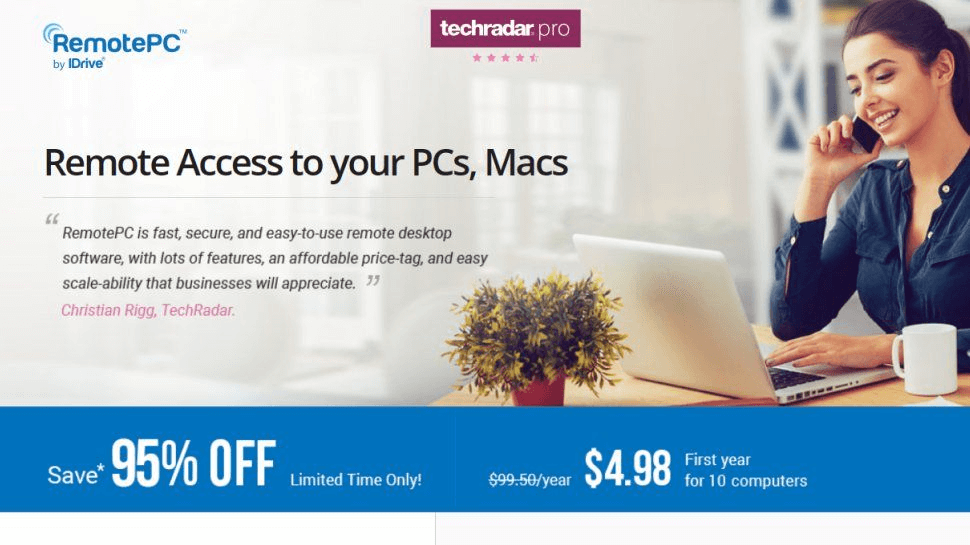
RemotePC stands out for offering a robust set of features that directly compete with well-known tools like TeamViewer, yet at a fraction of the cost. It supports remote desktop access, real-time file transfers, and whiteboarding tools that make collaboration easier. It's particularly well-optimized for Windows environments, delivering smooth performance with minimal lag. For small businesses that don't need every premium feature but still want dependable access, RemotePC strikes an ideal balance between functionality and affordability.
Best Fit: Individuals and small businesses willing to pay for ongoing remote access after evaluating the free trial.
Free-use Scope: A free trial lets you evaluate the paid service. It should not be treated as a permanent free remote desktop plan.
Key Features and Specs
- Drag-and-Drop File Transfer – Easily share documents, media, and more between connected machines
- Interactive Whiteboard – Annotate, explain, and collaborate visually during remote sessions
- Cross-platform compatibility – Works on Windows, macOS, iOS, and Android
- Always-On Access – Maintain a constant connection to your office PC for anytime access
- Multi-user access – Invite team members or clients to join remote sessions securely
- 256-bit AES encryption – Keeps all your sessions and data secure
Pros
- Ideal for businesses on a budget
- Delivers smooth, lag-free connections between Windows PCs
- Access your desktop directly through a web browser
- Drag-and-drop files between devices seamlessly
- Includes always-on remote access and TLS v 1.2/AES-256 encryption
Cons
- Requires a paid subscription for access
- Does not support built-in audio or video calling
3. TeamViewer — Free remote support for personal use
Why TeamViewer Made the List
TeamViewer continues to set the standard for remote access tools, offering a full suite of features wrapped in an intuitive interface. It's more than just a remote desktop solution; it also includes file sharing, voice and video communication, and collaboration tools like a whiteboard and remote screen recording. What truly makes TeamViewer stand out is its generous free version, making it ideal for non-commercial users who need reliable remote access without a price tag.
Best Fit: Personal users accessing their own devices or providing non-commercial support to friends and family.
Free-use Scope: Intended for personal, non-commercial use. Check whether your activity qualifies before relying on the free edition.
Key Features and Specs
- Free personal version – No payment required for home and personal use
- Drag-and-drop file transfers – Move files quickly between devices
- Remote shortcuts – Create desktop icons for faster future access
- Built-in whiteboard – Collaborate or annotate in real-time
- Session recording – Save remote sessions for later review
- Multi-platform support – Compatible with Windows, macOS, Linux, iOS, and Android
- End-to-end encryption – Ensures your sessions remain secure
Pros
- Full-featured access without a subscription for non-commercial users
- Simple setup and quick remote connections
- Move files between devices effortlessly
- Audio, video chat, and screen recording tools built in
Cons
- Premium plans can be pricey for business users
4. Splashtop Personal — Free access within your local network
Why Splashtop Personal Made the List
Splashtop Personal suits users who want to access a home computer from another room. You can open applications, work with personal files, or enjoy media remotely while connected to the same home network.
Best Fit: Home users accessing up to two personal computers over the same local network.
Splashtop Personal Free-use Scope: Free access applies to personal use within the local network. Check the requirements and cost for access from another network.
Key Features and Free Limits
- Remote desktop access: Use applications and files on your home computer.
- Windows and Mac hosts: Access supported PCs and Macs.
- Computer and mobile access: Connect from supported desktop or mobile devices.
- Two-computer limit: Access up to two computers for non-commercial use.
- Local-network restriction: Free connections are limited to your home network.
- Optional paid access: Subscribe to Anywhere Access Pack for connections from outside your home network.
Pros
- Free for personal, non-commercial use on a local home network.
- Access up to two home computers.
- Connect to Windows PCs and Macs from supported computers or mobile devices.
Cons
- Access from an outside network requires a paid subscription.
- Commercial use, including working from home, requires a business plan.
- Features such as file transfer and remote printing require a different product.
5. Zoho Assist — A free edition for basic remote support
Why Zoho Assist Made the List
While most remote desktop tools are built for PC access, Zoho Assist expands the field by supporting mobile device control. Whether it's a tablet or smartphone, the software allows full remote interaction. Although it may lag slightly due to its browser-based architecture, this same design allows users to access the platform from virtually any device, anywhere.
Best Fit: Individuals and small support teams whose basic remote assistance needs fit the free edition’s limits.
Free-use Scope: A free edition is available, but it does not include every premium feature. Compare the free edition with the trial so you know what remains available afterward.
Key Features and Specs
- Free personal and business tier – Full-featured access without upfront costs
- Drag-and-drop file sharing – Simple file transfers during live sessions
- Remote shortcuts – Create one-click desktop access points
- Mobile whiteboard – Useful for demonstrations and remote collaboration
- Video session recording – Keep a record of support sessions for training or auditing
- Cross-platform support – Works on Windows, macOS, Android, iOS, and browsers
- Encrypted remote connections – Safeguards your sessions with strong security standards
Pros
- Great value for small teams and individual users
- Offers generous features without cost
- Supports smartphones and tablets, not just PCs
- Connects seamlessly with Slack, Microsoft Teams, and Google Contacts
Cons
- Occasional lag during sessions, especially on cross-platform connections
- Some users may find the layout cluttered or unintuitive
6. GoToMyPC — A paid option for accessing your own computer
Why GoToMyPC Made the List
GoToMyPC offers a familiar, consistent experience for users already within the GoTo ecosystem. With support for Windows and macOS, the platform enables users to connect from almost any device through a browser or app. Recent updates added features like file transfers and resource monitoring, with legacy capabilities such as guest access expected to return. While it's not the most budget-friendly choice, it remains a reliable option for individuals needing secure and straightforward access to their computers.
Best Fit: Individuals who need regular access to their home or work computer and are considering a paid subscription.
Free-use Scope: Available to evaluate through a free trial. Review the trial terms and subscription cost before using it for ongoing access.
Key Features and Specs
- Drag-and-drop file transfers – Move files easily between host and remote systems
- Desktop shortcut access – Quickly launch remote sessions from your desktop
- Multi-device support – Available on web, Windows, macOS, iOS, and Android
- Secure connections – Uses strong encryption to protect session data
- System resource monitoring – Keep an eye on CPU, memory, and performance stats remotely
Pros
- Connect to your Windows or macOS PC from any web browser
- Quickly retrieve files or run diagnostics remotely
- Available on desktop, mobile, and web
Cons
- One of the more expensive options on the market
- Personal plans are focused on self-access, not tech support for others
- Devices must be configured for remote access in advance
When should you upgrade from a free remote desktop plan?
Stay with a free plan if it meets your permitted use, device count, and everyday tasks. Consider a paid plan when you need more devices, additional connections, privacy features, or team access management.
For AnyViewer, compare the available plans against your actual workload. If cost is your main concern, explore budget-friendly remote desktop options before committing.
Conclusion
Choose free remote desktop sharing software by checking permitted use, connection requirements, and feature limits, not just the download price.
To get started with AnyViewer, install it on both computers and test a remote session. Upgrade only if your device capacity or work requirements call for additional features.


 as a preferred
source on Google