
How to Reduce Remote Desktop Overseas Latency
Overseas remote desktop connections can be slow due to distance, network issues, and server load. This guide explains common causes of lag, how to measure latency, and practical ways to reduce it. Learn simple tips like choosing the right protocol, using VPNs, optimizing your network.

By Ellie / Updated on October 16, 2025


How to Reduce Remote Desktop Oversea Latency?
Latency is one of the biggest obstacles to smooth remote work. For global teams using remote desktops to collaborate or manage servers, remote desktop overseas latency can slow everything down. Tasks that should be quick take much longer. Programs like Photoshop, 3D design tools, or video editors need instant response, but that's hard when there's a delay.

Reducing latency is essential for companies using cloud desktops like Amazon WorkSpaces, Azure Virtual Desktop, or Citrix. Freelancers can also benefit by optimizing remote desktop overseas latency on Windows to make remote access smoother, especially when working from areas with weaker internet connections.
In this guide, we'll uncover the main causes of overseas remote desktop lag and explore practical strategies to reduce remote desktop overseas latency issues across borders significantly.
Common Causes of Remote Desktop Lag Overseas
Before diving into solutions, it's important to understand what typically causes remote desktop lag when working across international networks.
Long Distance and Physical Network Routes
Latency often starts with distance. The farther your data travels, the longer it takes to reach its destination. A connection from London to Sydney already adds about 250ms of delay, before factoring in routing and ISP slowdowns. Some networks send data through multiple nodes for security or balancing, which increases lag even more.
To fix this, many companies use regional servers or cloud points of presence (PoPs). Services like AWS and Google Cloud do this to keep connections fast and stable worldwide.
Bandwidth Limitations and Internet Speed
Limited bandwidth or slow connections can make remote sessions laggy. High-quality visuals need a steady flow of data in both directions, but many home networks have low upload speeds.
For smooth performance, aim for at least 10–20 Mbps upload and download speeds. Avoid streaming or large downloads while using remote desktop to keep your bandwidth clear.
Server Load and Resource Allocation
If the remote server is overloaded, even a great network won't help. Too many users or limited CPU, RAM, or GPU resources cause slow response times.
Businesses should monitor and scale resources as needed. For personal use, a VPS or cloud desktop with dedicated resources ensures faster, smoother control.
Techniques to Reduce Overseas Remote Desktop Latency
With a clear understanding of the causes and measurements of latency, you can now explore practical techniques to minimize delays and improve your overseas remote desktop experience.
Choosing the Right Protocol: RDP vs. VNC vs. Citrix
Not all remote desktop protocols are created equal. Each technology handles data compression, encryption, and screen rendering differently, impacting latency and performance.
- RDP (Remote Desktop Protocol): Developed by Microsoft, RDP is optimized for Windows systems and provides efficient compression and caching. It performs well even over slower connections.
- VNC (Virtual Network Computing): Open-source and platform-independent, but less optimized for high-latency networks. It transmits raw screen images, which can slow down remote access over long distances.
- Citrix HDX / VMware Horizon: Enterprise-grade solutions that use advanced compression, adaptive bitrate, and graphics acceleration to deliver smoother experiences across continents.
If you frequently work with multimedia or graphics, Citrix or Parsec (a gaming-grade remote desktop tool) may offer the best experience. For general office tasks, RDP is typically sufficient and widely supported.
Choosing the right protocol can reduce perceived lag by up to 40%, depending on your workload and connection quality.
Using VPNs and Cloud Proxies Effectively
A Virtual Private Network (VPN) can sometimes reduce latency, though it's commonly misunderstood. While VPNs encrypt traffic (which adds slight overhead), they can also reroute data through faster, more direct paths between countries.
For example, connecting from South America to a U.S. server may be faster through a VPN node in Miami than through your ISP's default routing. Premium VPNs like NordVPN, ExpressVPN, or Cloudflare WARP optimize traffic paths for low latency.
Alternatively, using cloud proxies, intermediate servers strategically placed near both client and server, can shorten the effective network distance. Services like AWS Global Accelerator and Azure Front Door specialize in this type of routing optimization.
The key is to test multiple VPN endpoints. What works for one country may not be ideal for another. Always measure before and after connecting to a VPN to verify actual improvement.
Network Optimization Tips for Smooth Performance
Small tweaks to your local network can significantly reduce remote desktop lag:
- Use a Wired Connection: Ethernet is always faster and more stable than Wi-Fi. Wireless interference can increase jitter.
- Close Background Apps: Pause software updates, cloud syncs, and streaming services that consume bandwidth.
- Optimize Remote Desktop Settings: Lower display resolution and disable features like desktop background, font smoothing, or animations to reduce bandwidth use.
- Set Quality of Service (QoS): Configure your router to prioritize RDP or Citrix traffic.
- Upgrade Your Router or Modem: Older equipment may struggle with modern encryption and traffic loads.
You can also schedule remote work during off-peak internet hours when your ISP's network is less congested. This can shave off 20–50ms of latency in some cases.
Bonus Tip: Best Remote Desktop Solution for Overseas Work

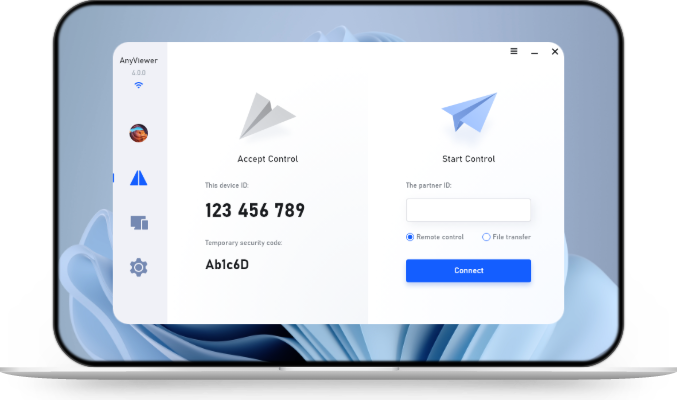
When dealing with overseas remote desktop latency, the software you choose is just as important as your network setup. AnyViewer stands out as one of the best solutions for global remote access. Its architecture is optimized for long-distance connections, ensuring low latency even when connecting across continents. Unlike many traditional RDP or VNC setups, AnyViewer compresses and streams data efficiently, reducing lag while maintaining high-resolution visuals, making it the best remote desktop software for video editing, graphic design, or real-time collaboration.
Some key advantages of AnyViewer include:
- Unattended Remote Access: Easily control your office or home computers anytime without requiring someone on the other end to grant access. Perfect for managing overseas servers or workstations.
- High-Quality Screen Transmission: Adaptive image quality ensures smooth visuals, automatically adjusting to your network speed to minimize delays.
- Cross-Platform Compatibility: Access Windows, macOS, and even mobile devices seamlessly from anywhere in the world.
- Fast File Transfer: Send large files between remote and local devices efficiently, without slowing down your session.
- Multi-Device Management: Manage multiple PCs from a single console, ideal for IT teams or global teams monitoring multiple servers.
- Robust Security: ECC end-to-end encryption and secure authentication keep sensitive data safe during international connections.
Combined with network optimization techniques like wired connections, router QoS configuration, and using cloud proxies or VPNs strategically, AnyViewer can significantly reduce perceived latency. Whether you're a freelancer working from abroad, an IT professional managing distant servers, or a multinational team collaborating globally, AnyViewer provides a smooth, reliable, and secure remote desktop experience that rivals local performance.
Hardware and Network Setup for Optimal Performance
With a clear understanding of the causes and measurements of latency, you can now explore practical techniques to minimize delays and improve your overseas remote desktop experience.
Importance of a High-Quality Router
Your router acts as the gateway between your local devices and the wider internet. A poor-quality or outdated router can create serious bottlenecks, adding milliseconds of latency that compound over long-distance connections. Modern routers support technologies such as MU-MIMO, beamforming, and QoS (Quality of Service), which prioritize real-time traffic like remote desktop packets over background data transfers.
Investing in a business-grade router, like those from ASUS Pro, Ubiquiti, or Netgear Nighthawk, can make a noticeable difference. These routers manage simultaneous connections efficiently, maintaining stable ping and low jitter even during heavy usage.
Additionally, firmware updates are often overlooked but crucial. Manufacturers release updates to fix bugs, optimize performance, and enhance security. Always keep your router firmware up to date to ensure consistent connection quality.
When configuring your router, disable unnecessary background features such as parental controls or guest networks that consume CPU cycles. You can also dedicate a specific Ethernet port for your work device to isolate its traffic.
Wired vs. Wireless Connections
When it comes to remote desktop performance, wired connections are superior in nearly every metric. Ethernet cables deliver stable, consistent speeds and lower latency compared to Wi-Fi, which can be influenced by interference, distance, and obstacles.
Wi-Fi operates on radio frequencies that compete with other devices, microwaves, Bluetooth gadgets, even neighboring networks. This interference causes packet loss and jitter, both of which degrade your remote desktop experience.
If Wi-Fi is unavoidable, opt for a 5GHz or Wi-Fi 6 (802.11ax) network for higher throughput and less congestion. Keep your router close to your device and avoid physical barriers. For stationary setups, a wired Ethernet connection remains the gold standard, offering up to 1 Gbps or more of stable transfer rates.
You can also use powerline adapters or Ethernet-over-Coax solutions if running cables is inconvenient. These extend wired connections using existing electrical wiring without significant performance loss.
Optimizing Your Local Network
Your local network's configuration can either minimize or worsen overseas latency. Start by running a network health audit:
- Check for devices hogging bandwidth (smart TVs, IoT devices, security cameras).
- Schedule backups, software updates, and cloud syncs outside of working hours.
- Disable automatic downloads or streaming apps while working remotely.
Next, configure your router's Quality of Service (QoS) to prioritize remote desktop traffic. Assign RDP, Citrix, or Parsec protocols as “high priority.” This ensures they always get bandwidth before background apps.
If you're sharing a household network, consider setting up a dedicated VLAN or guest network for work. This isolates your traffic and prevents bandwidth competition.
Lastly, restart your modem and router periodically. Over time, devices can accumulate memory leaks or slowdowns that affect data transmission. A quick reboot once a week helps keep latency low and connections fresh.
Conclusion
Overseas remote desktop latency is inevitable, but not insurmountable. With the right combination of optimized protocols, network configurations, hardware improvements, and cloud-based acceleration, users can achieve near-local responsiveness even when working across continents.
From freelancers accessing creative tools abroad to multinational teams managing shared servers, reducing latency directly boosts productivity, user satisfaction, and overall workflow efficiency.
In today's globally connected workplace, mastering latency isn't just about speed, it's about enabling true digital freedom.



 as a preferred
source on Google
as a preferred
source on Google