
How to Screen Record on Mac With or Without Audio?
You can find how to screen record on Mac, including audio capture. The article clarifies can you screen record on Mac by demonstrating exactly how to screen capture video on Mac.

By Irene / Updated on February 9, 2026


🌟 Key takeaways:
Screen recording on a Mac with audio is possible using both built in macOS tools and third party solutions. The Screenshot Toolbar and QuickTime Player let you capture your screen and create clear videos for tutorials, meetings, or presentations. Many users who move from Windows notice that macOS does not provide a direct option to record system sound by default. You can record microphone audio easily, but capturing internal audio such as app sounds or video playback usually requires an extra setup with a virtual audio device.
To handle different needs, you can choose the method that matches your workflow. The Screenshot Toolbar is the fastest choice for quick recordings. QuickTime Player gives more control, including custom area selection and simple trimming after recording. For users who want a smoother and more complete workflow, tools like AnyViewer combine remote access and recording in one place and can capture both system sound and microphone audio together. With the right setup, recording high quality Mac screen videos with audio becomes simple and efficient.
Here is a quick comparison of screen recording methods on macOS:
| Method | Best For | Audio Support | Difficulty | Key Advantage |
|---|---|---|---|---|
| AnyViewer | Remote work, training, demos, cross device recording | Can capture system sound and microphone together | Very Easy | All in one solution that records local or remote sessions with stable audio capture |
| Screenshot Toolbar | Quick tutorials or short recordings | Microphone only, system audio needs workaround | Easy | Fast access using Shift + Command + 5 with no installation |
| QuickTime Player | More controlled or professional recordings | Microphone by default, system audio with virtual audio tool | Moderate | Flexible recording area and basic editing options |
User case: How do I screen record on Mac with audio?
You can screen record on Mac easily using native tools like the Screenshot toolbar or QuickTime Player which allow you to capture high quality video with sound. If you have ever asked yourself can you screen record on mac effectively the answer is a definitive yes. We often hear from professionals who struggle with this transition such as a user who recently switched from Windows 11 and spent a whole day trying to record system and microphone sounds for a work project.
How do I screen record on mac with audio?
Hi, all, I usually use Windows 11, but recently for work needs, I have to record screen on Mac with audio, and also record the system and microphone sounds. I found that recording screen on Mac is much more troublesome than Win...😭 I also looked around in the Mac settings, and found that there seems to be no place to directly select "record system sound"?
If you want to record a tutorial or conference playback with sound, do you have to toss for a long time to get it done? Moreover, after the Mac screen recording is saved, the format is not quite the same as Windows, and sometimes there will be some minor problems when it is transferred to Windows for playback... So I want to ask friends who know Mac, is there any simple way to record screen on macbook directly, and record the system sound + microphone together? Please help me, thank you very much!
- Question from techcommunity.microsoft.com
We solve this specific dilemma by showing you how can you screen record on a mac including audio sources without hassle. You will discover exactly how to screen capture video on mac for tutorials or meetings ensuring your workflow remains smooth and your output remains professional. This comprehensive guide explains how to screen record on mac with audio by bridging the gap for users who find the macOS interface different from Windows.
How to screen record on Mac with or without audio?
Way 1. Run AnyViewer to screen record on Mac
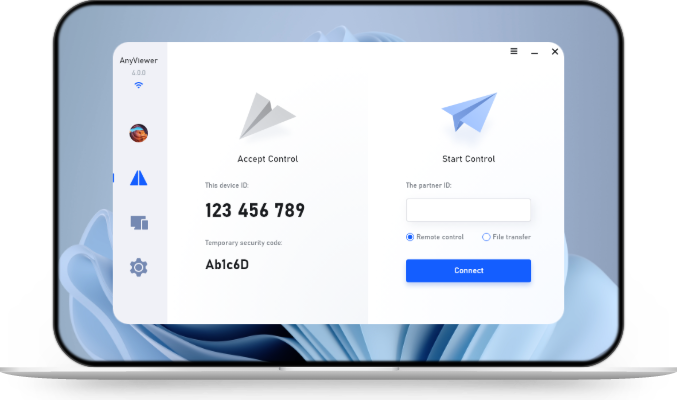
If you need a simple way to record your Mac screen with clear video and audio, AnyViewer is a practical choice. It is mainly a remote desktop tool, but it also includes a built-in recording feature. This means you can control another device and record the session at the same time without switching between different apps. It works well for tasks like online presentations, software demos, remote support, or training videos. Compared with many basic recorders, it can capture both the screen and sound more reliably, even during a remote connection.
Another advantage is that you can start recording while working on a remote computer as if you were sitting in front of it. Once connected, you can operate the device normally and record everything that happens on the screen. This helps you document steps, save important sessions, or create clear tutorials for others.
Why use AnyViewer for screen recording on Mac?
-
It supports recording both local and remote screens, so you can simultaneous remote access and screen recording.
-
The recording quality is clear and smooth, which helps avoid lag or blurry footage.
-
It can capture system sound and microphone audio together, making your videos easier to edit.
-
Your session and files are protected with secure connections and privacy options.
-
It offers high definition display to help you record in HD without lag or stuttering.
-
The interface is simple, so you can start or stop recording quickly without complex setup.
Overall, AnyViewer is a convenient all-in-one tool for remote access and screen recording. It helps you record Mac screen activity with or without audio in a stable and efficient way, especially when you need to work across different devices.
Way 2. Use Screenshot Toolbar screen record on Mac
The Screenshot Toolbar is the fastest way to record your Mac screen. It lets you capture the full screen or a selected area, and you can include microphone audio if needed. It’s ideal for tutorials, presentations, or quick recordings.
Step 1. Press Shift + Command + 5 to open the Screenshot Toolbar.
Step 2. Choose either Record Entire Screen or Record Selected Portion.
Step 3. Click Options to select your save location, enable microphone input, or set a timer.
Step 4. Click Record to start recording.
Step 5. Press Command + Control + Esc or click the stop button in the menu bar to end the recording.
Recording a selected portion reduces file size and keeps the focus on what matters most.
Way 3. Use QuickTime Player to capture video on Mac
QuickTime Player provides more control for screen recording and lets you choose a custom area or record with microphone input. To capture system audio, you need extra software. This method is great for professional recordings or adding narration.
Step 1. Open QuickTime Player.
Step 2. Go to File > New Screen Recording.

Step 3. Click the dropdown next to the record button and select your microphone.
Step 4. Click Record, then select full screen or drag to record a custom area.
Step 5. Press Stop when finished. QuickTime will open the recording automatically.
Step 6. Use Edit > Trim to cut parts if needed.
Step 7. Save or export your recording as .mov or .mp4.
To capture system audio, install a virtual audio device like BlackHole or Soundflower and select it as input before recording.
Both methods let you record your Mac screen with or without audio. For quick recordings, the Screenshot Toolbar works best, while QuickTime Player provides more options, editing tools, and compatibility with virtual audio solutions for capturing internal sounds.
Extra tip: How to capture audio while screen recording
Capturing system audio on a Mac, such as music, videos, or app notifications, is not supported natively due to macOS privacy restrictions. However, with virtual audio tools, you can route your Mac’s internal sound into your screen recording, combining it with microphone input for professional-quality results.
Virtual audio tools let you capture system audio and combine multiple sources for screen recording. They work with QuickTime, OBS, or other recording apps and are widely used by creators, podcasters, and professionals seeking high-quality recordings.
Step 1. Download and install your chosen virtual audio software:
- BlackHole – Free, open-source, lightweight, compatible with modern macOS versions.
- Soundflower – Free, classic option, works well with older macOS.
- Loopback – Paid, intuitive, allows combining multiple audio sources.
Step 2. Open System Preferences > Sound > Output, then select the virtual audio device as your output.
Step 3. In QuickTime Player or your recording app, select the same virtual device as your microphone/input.
Step 4. Play system audio to confirm the setup. You should see audio levels in your recording software.
Step 5. Start your screen recording. Both system sounds and microphone input will now be captured simultaneously.
Using this method ensures professional-grade recordings where app sounds, music, and voiceover are all synchronized, making it ideal for tutorials, presentations, or content creation.
By setting up a virtual audio device, your Mac screen recordings can include all internal sounds alongside your narration. This approach elevates your recording quality and provides full control over multiple audio sources, giving you results comparable to professional production setups.
Conclusion
How to screen record on Mac can be done easily and effectively using tools like AnyViewer, the Screenshot Toolbar, or QuickTime Player with virtual audio devices. These methods let you capture both system sound and microphone input, ensuring clear and professional recordings. Whether you are creating tutorials, presentations, or documenting work processes, learning how to screen record on Mac makes the task simple and efficient. With the right setup, you can produce high-quality recordings without troubles. If you want to experience more advanced features for teams and enterprises, it is recommended to choose the professional editions of AnyViewer.
FAQs
-
How do you screen record on a Mac?
Press Shift + Command + 5, then choose to record the entire screen or a selected portion. -
How do I record video with sound on my MacBook?
Use Shift + Command + 5, click Options, and select a microphone to capture audio while recording. -
Does Mac have its own screen recorder?
Yes, Mac has a built-in screen recorder accessed via Shift + Command + 5. -
Does screen recording on a Mac have audio?
It can include audio if you enable a microphone in the recording options. -
How do I record my laptop screen?
Use the built-in screen recorder (Shift + Command + 5) or third-party app like AnyViewer.



 as a preferred
source on Google
as a preferred
source on Google