
Wake Computer from Sleep Remotely: 7 Proven Methods
This guide shows how to wake a computer from sleep remotely using 7 proven methods for Windows, Mac, and Linux. It covers setup steps, security tips, and highlights AnyViewer for safe remote access once the PC is on.

By Ellie / Updated on September 11, 2025


Introduction to Remote Wake-Up Techniques
In today's fast-paced digital world, the ability to wake your computer from sleep remotely can save you significant time and increase productivity. Whether you're a remote worker needing access to office files, a gamer preparing for an online session, or a tech enthusiast managing multiple devices, knowing how to wake my computer from sleep remotely is a powerful tool. Understanding these methods ensures you can start working or gaming without physically being at your machine, and even Windows users will benefit from learning how to wake a Windows 10 computer from sleep remotely.

This guide will walk you through 7 proven methods to wake a computer from sleep remotely, explain prerequisites, troubleshooting tips, and security considerations. By the end, you'll be equipped to choose the best solution for your specific setup.
Understanding Sleep Mode on Computers
Before diving into remote wake techniques, it's crucial to understand what happens when your computer enters sleep mode. Sleep mode is designed to save power while maintaining your session, so you can resume work instantly. Unlike shutdown, sleep mode keeps the system in a low-power state rather than completely turning it off.
How Sleep Mode Saves Energy
Sleep mode minimizes electricity consumption by powering down components like the monitor, hard drive, and peripherals. It's particularly useful for:
- Reducing energy bills
- Extending the lifespan of hardware
- Allowing quick resumption of tasks
Sleep Mode vs Hibernate
While sleep mode maintains the session in RAM, hibernate mode saves the session to the hard drive and powers off completely. Choosing between sleep and hibernate depends on your needs:
| Feature | Sleep Mode | Hibernate |
| Power Consumption | Low | None |
| Resume Speed | Instant | Slight delay |
| Battery Impact | Minimal | None |
| Use Case | Short breaks | Longer inactivity |
Prerequisites for Waking a Computer Remotely
To wake a computer from sleep remotely, certain hardware and network conditions must be met.
Enabling Wake-on-LAN (WoL) in BIOS
Wake-on-LAN (WoL) is the standard method for remote wake-up. It requires enabling the feature in your BIOS:
Step 1. Restart your computer and enter BIOS/UEFI settings (usually by pressing "DEL", "F2", or "F10").
Step 2. Navigate to Power Management or Advanced Settings.
Step 3. Enable Wake-on-LAN or Power On by PCI-E/PCI.
Step 4. Save and exit BIOS.
Configuring Network Adapter Settings
After BIOS setup, configure your network adapter:
- Windows: Device Manager > Network Adapter > Properties > Power Management > Check "Allow this device to wake the computer".
- Mac: System Preferences > Energy Saver > Enable "Wake for network access".
- Linux: Use "ethtool" to enable WoL ("sudo ethtool -s eth0 wol g").
7 Methods to Waking Computer from Sleep Remotely
Here, we'll explore 7 proven ways to wake a computer from sleep remotely, covering both software and hardware solutions.
Method 1: Using Wake-on-LAN Software
Wake-on-LAN software is the standard for those who want to wake a computer from sleep remotely over a network. Sending a “magic packet” to your device, it allows you to start your computer without physically touching it. This method is especially useful for users who need to know how to wake my computer from sleep remotely for quick access.
Windows Wake-on-LAN Apps
- Depicus Wake On LAN GUI: User-friendly interface and flexible scheduling.
- Aquilatech WoL: Offers remote access via mobile devices.
Mac Wake-on-LAN Tools
- WakeOnLanX: Lightweight app for Mac users.
- iNet WOL: Mobile and Mac OS support.
Steps to use WoL software:
Step 1. Install the app on your mobile or another computer.
Step 2. Input your computer's MAC address and IP.
Step 3. Send the magic packet.
Method 2: Using Remote Desktop Software
Remote desktop software often has built-in features to wake sleeping computers. Common tools include:
- TeamViewer
- AnyViewer
- Chrome Remote Desktop
Configuring Remote Access for Wake-Up
Step 1. Ensure your remote desktop app is installed on both devices.
Step 2. Enable "Wake computer" or WoL feature in settings.
Step 3. Test remote access by sending a wake signal.
Tip: Always use strong passwords to secure remote connections.
Method 3: Smart Plugs and IoT Devices
Smart plugs can indirectly wake computers by controlling power supply.
Best Smart Plugs for Remote Power-On
| Device | Features | Pros | Cons |
| TP-Link Kasa | Remote power, scheduling | Affordable, reliable | No WoL integration |
| Wemo Mini | Voice control, app support | Easy setup | Limited scheduling |
Usage: Schedule power-on via app, then the computer resumes from last state.
Method 4: Using Mobile Apps to Wake Computer
Several mobile apps are designed to wake computers via Wi-Fi or LAN:
- Unified Remote
- Fing
- WoL – Wake on LAN (iOS/Android)
These apps often combine WoL and remote desktop features.
Method 5: Command Line Methods
Advanced users can use scripts to automate wake-up.
Windows Command Line
Use "powercfg"and batch scripts:powercfg -devicequery wake_armed
This shows which devices can wake the computer.
Linux Terminal Commands
sudo apt install wakeonlan
wakeonlan
Scripts can be scheduled for automatic execution.
Method 6: Router-Triggered Wake-Up
Some routers allow sending WoL packets remotely:
Step 1. Log into router admin panel.
Step 2. Locate WoL or "Remote Wake"feature.
Step 3. Input MAC address and enable remote trigger.
Method 7: Cloud-Based Remote Wake Solutions
Cloud services can simplify the process for users asking how to wake my computer from sleep remotely without configuring routers or complex networks. These solutions provide cross-network support for users wanting to wake a computer from sleep remotely anytime, anywhere.
Benefit: No need to configure routers manually.
Security Considerations for Remote Wake
Remote wake poses potential security risks. Protect your system with:
- Strong passwords
- Two-factor authentication
- Secure VPN connections
- Disabling WoL when not needed
Secure Remote Access Alternative: AnyViewer
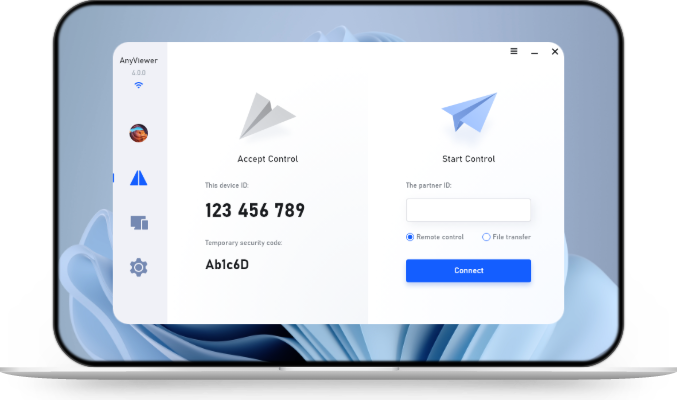
While AnyViewer does not support waking a computer from sleep remotely, it provides a highly secure and reliable remote access solution for computers that are already powered on. For users concerned about privacy and data protection, AnyViewer is an excellent choice.

Security-Focused Features of AnyViewer:
- End-to-End Encryption: All remote sessions use AES-256 encryption, protecting sensitive data from unauthorized access.
- Secure Login: Two-step verification ensures that only authorized users can access the device.
- Permission Control: Granular permissions allow you to restrict what remote users can do, minimizing risk.
- Audit Trails: Keep track of all remote sessions for accountability and monitoring.
- No Open Ports Required: Unlike some Wake-on-LAN setups, AnyViewer does not require exposing network ports, reducing potential attack vectors.
Use Case: AnyViewer is ideal for businesses, IT teams, or home users who prioritize security and privacy during remote desktop sessions. While it won't wake a sleeping PC, it ensures that once your system is active, your remote access remains safe, controlled, and encrypted.
Tip: For maximum convenience, pair AnyViewer with Wake-on-LAN or smart plug solutions to wake the PC, then use AnyViewer for secure remote control.
Conclusion
Waking your computer from sleep remotely enhances productivity, saves time, and offers convenience across home, office, and remote environments. From Wake-on-LAN software to smart plugs and cloud solutions, there's a method suited for every user. Remember to prioritize security, configure BIOS and network settings correctly, and test your setup before relying on it fully. By implementing these methods, you'll have instant access to your computer anytime, anywhere.
FAQs
1. Can I wake my computer from sleep over the internet?
Yes, using Wake-on-LAN through port forwarding or cloud-based remote access apps.
2. Does WoL work on laptops?
It depends. Many modern laptops support WoL only when plugged into power.
3. What is the difference between sleep and hibernate?
Sleep keeps your session in RAM, hibernate writes it to disk. Hibernate consumes no power.
4. Can I wake a Mac computer remotely?
Yes, enable "Wake for network access" in Energy Saver and use compatible remote apps.
5. Is it safe to enable Wake-on-LAN?
Generally yes, if you secure your network and devices. Avoid public Wi-Fi when sending WoL packets.
6. Can I automate remote wake?
Yes, scripts and smart plugs can schedule wake events automatically.



 as a preferred
source on Google
as a preferred
source on Google