
Remote Printing Over Internet: 7 Powerful Methods
This guide explains how to remote print over the internet using 7 practical methods. From cloud services and VPN printing to email-to-print and remote desktop tools, you'll learn how to print documents safely and easily from anywhere. It also introduces AnyViewer as a helpful remote access tool to support your workflow.

By Ellie / Updated on September 12, 2025


Introduction to Remote Printing
Remote printing over the internet is no longer a futuristic concept; it's a practical, everyday tool for businesses, freelancers, and tech-savvy individuals alike. Simply put, remote printing allows you to remotely print over the internet from one device to a printer located anywhere in the world, bypassing physical proximity. This capability is crucial in today's era of remote work, hybrid offices, and global collaboration.

Whether you're running a small home office or managing a multinational company, remote printing offers flexibility and efficiency. From instantly printing invoices in a distant branch to sharing sensitive documents securely with team members, remote printing transforms the way work gets done.
By understanding the technologies behind remote printing and implementing the right methods, you can significantly improve workflow, reduce costs, and maintain data security.
How Remote Printing Works
Remote printing essentially bridges the gap between your device and a printer using the internet. Here's a simplified breakdown of how to print over the internet effectively:
Here's a simplified breakdown:
Step 1. Document Generation: You create or open a document on your device (PC, laptop, or smartphone).
Step 2. Transmission: The document is sent over the internet using specific protocols or cloud-based platforms.
Step 3. Reception: The printer receives the document through its network or cloud service.
Step 4. Printing: The document is printed just as if it were sent locally.
Types of Remote Printing Technologies
- Cloud Printing: Uses cloud services to send print jobs to printers. Popular for multi-location offices.
- VPN Printing: Virtual Private Networks enable secure printing across private networks.
- Direct IP Printing: Your device communicates directly with the printer via an IP address.
- Third-Party Software Solutions: Apps like AnyDesk or PrintNode allow advanced control and tracking.
Required Hardware and Software
To set up remote printing, you typically need:
- Printer: Must support network or cloud connectivity.
- Device: PC, Mac, or smartphone with internet access.
- Software/App: Printer-specific apps, remote desktop software, or third-party cloud services.
- Network: Stable internet connection with proper firewall and security configuration.
Benefits of Remote Printing Over Internet
Using remote printing over internet methods eliminates the need to physically transfer files to a printer. Businesses can now remotely print over the internet, saving time and improving workflow.
Productivity and Efficiency Gains
Remote printing eliminates the need to physically transfer files to a printer. For businesses with multiple locations, this translates to faster turnaround, reduced bottlenecks, and smoother operations. Imagine sending print jobs directly from your home office to the office printer thousands of miles away, seamless, right?
Cost and Resource Optimization
Remote printing can help organizations save on hardware costs by enabling shared printers instead of multiple devices. Additionally, cloud-based solutions often reduce maintenance and operational costs.
Security Considerations
While convenient, transmitting sensitive documents over the internet comes with risks. Modern remote printing solutions incorporate encryption, authentication, and secure networks to ensure your data stays protected.
7 Methods for Remote Printing Over Internet
Method 1: Using Google Cloud Print Alternatives
Google Cloud Print was once the standard for cloud-based remote printing, but it was discontinued in 2020. Thankfully, alternatives exist:
- PaperCut Mobility Print: Supports Windows, Mac, iOS, and Android.
- PrinterLogic: Centralized printer management for enterprises.
- Setup: Install the software on your device, connect your printer to the cloud service, and start sending documents remotely.
These alternatives provide ease of access, secure connections, and cross-platform compatibility.
Method 2: VPN-Based Remote Printing
Virtual Private Networks (VPNs) create a secure tunnel between your device and the remote printer. This method is ideal for:
- Printing within corporate networks.
- Ensuring the encrypted transmission of sensitive documents.
- Using network-shared printers as if you were physically on the local network.
Setup Steps:
Step 1. Install a VPN client on your device.
Step 2. Connect to your office network.
Step 3. Access shared printers and send print jobs securely.
Method 3: Printer-Specific Cloud Services
Many printer manufacturers offer their own cloud printing solutions:
- HP ePrint: Print from email to HP printers.
- Epson Connect: Remote printing via Epson cloud apps.
- Canon PRINT: Direct cloud print from mobile devices.
These services are typically easy to configure and integrate well with mobile devices, providing an intuitive user experience.
Method 4: Remote Desktop Printing Solutions
Remote desktop software like TeamViewer, AnyDesk, and Chrome Remote Desktop allows full access to your office computer and its connected printers. Benefits include:
- Full control over print settings.
- Access to locally installed applications.
- Secure, encrypted connections.
Method 5: Third-Party Remote Printing Apps
Specialized apps such as PrintNode and PaperCut enable:
- Centralized printer management.
- Detailed reporting on print jobs.
- Advanced features like conditional printing and workflow automation.
These are perfect for businesses that need scalability and monitoring capabilities.
Method 6: Email-to-Print Services
Email-to-print services allow you to send a document via email to your printer's unique email address. This method is simple and works across devices, but requires:
- Printer with email-to-print support.
- Security measures like whitelisting trusted email addresses.
Method 7: Network-Shared Printers with Dynamic DNS
Dynamic DNS (DDNS) allows you to access your home or office printer remotely, even with a changing IP address:
Step 1. Set up DDNS on your router.
Step 2. Share the printer over the network.
Step 3. Connect remotely using the DDNS address.
Ideal for home offices or small businesses with limited cloud service subscriptions.
Comparison of Remote Printing Methods
| Method | Cost | Security | Ease of Setup | Platform Compatibility |
| Cloud Printing | Medium | High | Easy | Multi-platform |
| VPN Printing | Low | Very High | Moderate | Windows/Mac |
| Printer-Specific Cloud | Low | High | Easy | Mobile & Desktop |
| Remote Desktop | Medium | Very High | Moderate | Multi-platform |
| Third-Party Apps | Medium-High | High | Moderate | Multi-platform |
| Email-to-Print | Low | Medium | Easy | Multi-platform |
| DDNS + Network Share | Low | Medium | Moderate | Windows/Mac |
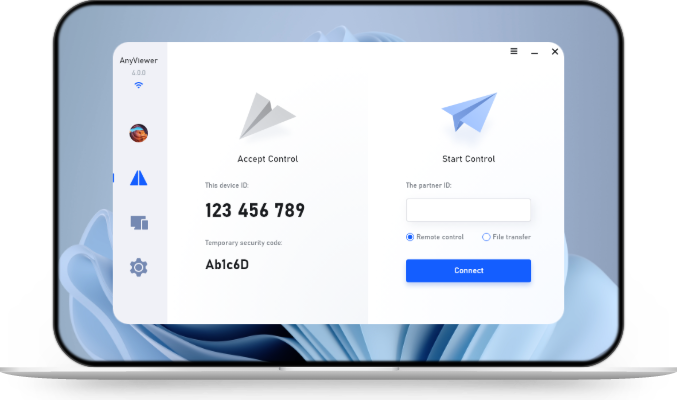
Alternative Tool for Remote Work: AnyViewer

While AnyViewer does not currently support remote printing, it excels as a secure and reliable remote access solution. With AnyViewer, you can:
- Access your computer remotely from anywhere in the world, enabling you to manage files, run applications, and provide technical support.
- Ensure security and privacy, as all connections are encrypted end-to-end.
- Improve productivity, allowing teams to collaborate on projects without being physically present.
Think of AnyViewer as a perfect complementary tool for remote printing workflows: even if your printing tasks require another method (like VPN or cloud printing), AnyViewer allows you to control the device remotely, prepare documents, and monitor print jobs in real-time.
By integrating AnyViewer with your chosen remote printing solution, you can enjoy seamless workflow management, enhanced flexibility, and stronger security across your remote operations.
Conclusion
Remote printing over the internet is no longer optional; it's a necessity for modern workflows. By choosing the right method, whether cloud-based, VPN-enabled, or through third-party software, you can boost productivity, reduce costs, and ensure security. From simple email-to-print setups to advanced remote desktop solutions, each method offers unique advantages tailored to different needs. As technology evolves, staying updated on trends and security best practices ensures a seamless and secure printing experience.
Frequently Asked Questions (FAQs)
1. Can I print remotely without cloud services?
Yes, using VPN or remote desktop solutions, you can access your printer without relying on the cloud.
2. Are remote printing methods secure?
When configured properly with encryption and strong passwords, remote printing can be highly secure.
3. Which is the easiest method for beginners?
Email-to-print and printer-specific cloud services are the most user-friendly for non-technical users.
4. Can I print from my smartphone?
Absolutely. Most cloud services and printer apps support mobile printing from iOS and Android devices.
5. How much does remote printing cost?
Costs vary. Cloud services and third-party apps may have subscriptions, while VPN and network shares can be low-cost options.
6. Is remote printing suitable for large organizations?
Yes, especially with third-party management tools or VPN solutions that support scalability and monitoring.


 as a preferred
source on Google
as a preferred
source on Google