
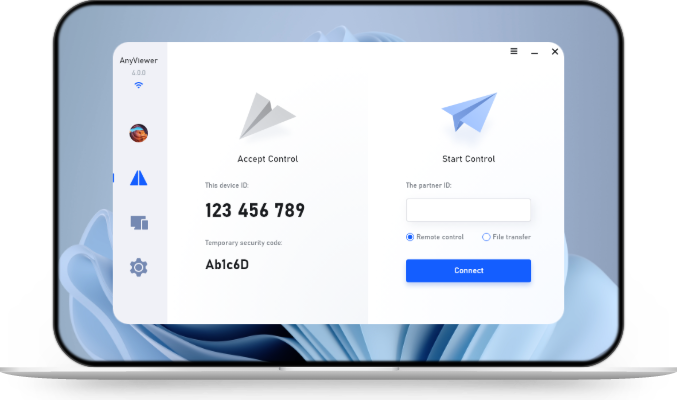
How to Record a Zoom Sessions
Learn how to record Zoom meetings on desktop, Mac, and mobile. This guide also shows how AnyViewer can record remote desktop sessions securely and in high quality, making it easy to save and share important meetings or training sessions.

By Ellie / Updated on October 31, 2025


Introduction
In a digital-first world where meetings, lectures, and webinars happen virtually, knowing how to record a Zoom session has become an essential skill. Whether you're a student who wants to replay lectures, a business owner capturing team meetings, or a content creator hosting online events, recording your Zoom calls ensures that no important detail slips through the cracks.
Zoom, as one of the most widely used video conferencing tools globally, provides multiple options to record sessions easily. The beauty of this feature lies in its flexibility; you can choose between local and cloud recording, based on your account type and preferences. But before you hit that "Record" button, there are certain nuances and best practices to understand.
In this guide, we'll walk you step-by-step through how to record a Zoom session across different devices, including desktops, mobile phones, and Mac computers, how to troubleshoot common issues, and how to ensure your recordings look and sound professional. By the end, you'll not only know how to record but also how to make the most out of your saved Zoom content for future use.
Understanding Zoom Recording Options
Before diving into the "how," it's vital to understand Zoom's two primary recording methods: Local Recording and Cloud Recording.
Local Recording saves the video file directly to your computer's hard drive. It's available to both free and paid Zoom users and is ideal for individuals or small teams who don't need to share recordings frequently.
Cloud Recording, on the other hand, is available exclusively for paid Zoom plans (Pro, Business, or Enterprise). These recordings are stored online, allowing you to easily share and access them from anywhere. Cloud recordings also offer advanced features such as automatic transcription, video trimming, and password protection.
To choose between the two:
- If you're a free user, go for Local Recording.
- If you manage teams or conduct webinars, Cloud Recording is the better option.
Each option has its own set of benefits, and the one you choose will depend on your needs, budget, and storage preferences.
Why Record a Zoom Meeting?
You might wonder, why bother recording at all? The reasons are numerous and compelling.
For students and educators, recording ensures that lectures, seminars, and tutorials can be reviewed later for better understanding. In a remote learning environment, recorded sessions become a valuable study tool.
For business professionals, recordings capture crucial meetings, presentations, and discussions that can be revisited for reference, documentation, or training new employees. No more relying solely on meeting notes, a recording ensures accuracy and completeness.
Interviewers and content creators also benefit greatly. Whether conducting a podcast interview or a webinar, having a recording means you can repurpose the content later, maybe as a YouTube video, blog post, or internal training material.
Simply put, recording your Zoom meetings saves time, boosts productivity, and ensures you never miss critical information.
Preparing to Record a Zoom Session
Before hitting that record button, a little preparation can make a big difference.
Start by checking permissions. If you're not the host, you'll need to request permission from the host to record the session. Zoom's privacy settings restrict non-hosts from recording by default.
Next, ensure you have enough storage space, whether locally or in the cloud. High-quality video recordings can take up a lot of space, so free up some room beforehand.
Also, optimize your audio and video settings. A clear camera feed and crisp audio make a huge impact on the quality of your final recording. Use a good microphone and check your lighting setup. If you're presenting slides, ensure they're visible and properly shared on-screen.
Lastly, do a quick test. Start a mock meeting, record a few seconds, and review it. This ensures everything looks and sounds just the way you want before the real session begins.
How to Record a Zoom Session on Desktop
Recording on a desktop is the most straightforward method. Here's how to do it on Windows and Mac:
- On Windows:
Step 1. Launch Zoom and start or join a meeting.
Step 2. Once in the meeting, click the "Record" button on the toolbar.
Step 3. Choose either "Record on this Computer" or "Record to the Cloud" (if available).
Step 4. You'll see a small "Recording" indicator in the top corner.
Step 5. When done, click "Stop Recording".
Step 6. After the meeting ends, Zoom automatically converts the recording and saves it to your device.
- On Mac:
For those wondering how to record a Zoom session on a Mac, the process is very similar:
Step 1. Launch Zoom and join a meeting.
Step 2. Click "Record", then select your preferred recording option.
Step 3. Zoom stores the file in the Documents > Zoom folder by default.
Step 4. Rename the file for easy retrieval later.
Pro Tips:
- Close unnecessary applications to free up resources.
- Position your camera at eye level for a professional appearance.
How to Record a Zoom Session on Mobile
Many users ask how to record a Zoom session on phone, which is slightly more restrictive but still feasible:
Steps:
Step 1. Open the Zoom app and join the meeting.
Step 2. Tap "More" > "Record to Cloud" (host or co-host only).
Step 3. Recording starts automatically with a red indicator.
Step 4. Stop the recording by tapping "More > Stop Recording".
Tips and Limitations:
- Local recording is not available on mobile.
- Ensure strong internet connectivity to prevent interruptions.
- Charge your device fully to avoid shutdown during long sessions.
How to Record a Zoom Session Without Permission
Recording without permission is ethically and legally sensitive.
Considerations:
- Recording others without consent may violate local laws.
- Zoom requires host approval for non-host participants to record.
Safe Alternatives:
- Ask the host for recording access.
- Take detailed notes or screenshots.
- Use collaborative documents to capture real-time discussions.
How to Record Zoom Sessions with Third-Party Tools
Third-party tools can add flexibility and advanced features.
Recommended Software:
| Tool | Pros | Cons |
| OBS Studio | Free, highly customizable, supports multiple sources | Learning curve for beginners |
| Camtasia | Professional editing, annotations, effects | Paid, can be resource-heavy |
| Snagit | Simple interface, quick recording | Limited advanced editing |
Tip: Use third-party software if you need screen overlays, multi-source recording, or advanced editing capabilities beyond Zoom's built-in features.
Troubleshooting Common Recording Issues
Missing Record Button:
- You may not have host permission or the option may be disabled on mobile.
Audio Not Recording:
- Check microphone permissions in Zoom and your device.
- Ensure the correct audio source is selected.
Video Lag or Low Quality:
- Close background apps and upgrade internet speed.
- Reduce recording resolution in Zoom settings.
Tips for High-Quality Zoom Recordings
- Use natural light and face the light source.
- Keep camera at eye level.
- Use a clean or neutral background.
- Invest in a good microphone and eliminate background noise.
- Test audio and video before the actual meeting.
Security and Privacy Tips
- Use strong passwords for meetings and recordings.
- Share recordings only with intended participants.
- Encrypt sensitive recordings if needed.
- Avoid storing recordings on shared or public devices.
AnyViewer: Best Zoom Alternative for Remote Desktop Session Recording
While Zoom is excellent for virtual meetings and webinars, sometimes users need a more robust solution for remote desktop session recording, especially for IT support, remote work, or collaborative troubleshooting. This is where AnyViewer comes in.
AnyViewer is a professional remote access software that allows you to control another computer securely over the internet. Unlike Zoom, which is primarily designed for meetings, AnyViewer focuses on high-performance remote desktop control, making it ideal for recording work sessions, technical support activities, or collaborative training.
Key Features of AnyViewer for Recording Remote Sessions
- High-Definition Recording: AnyViewer allows you to record remote desktop sessions in HD quality, ensuring that every action, annotation, or instruction is captured clearly. This is particularly useful for training sessions, demos, and tutorials.
- Cross-Platform Support: AnyViewer works on Windows, Mac, iOS, and Android, giving you the flexibility to record sessions across multiple devices.
- Security and Privacy: With end-to-end encryption, two-factor authentication, and access controls, AnyViewer ensures that your recordings remain secure and confidential; ideal for sensitive business operations.
- Cloud and Local Storage Options: Similar to Zoom, AnyViewer supports saving recordings either locally or in the cloud, giving you convenient options for storage and sharing.
- Easy Collaboration: Hosts and participants can annotate, transfer files, and interact in real-time while the session is being recorded. This feature makes AnyViewer particularly useful for remote team training or troubleshooting.
Why Choose AnyViewer over Zoom for Remote Session Recording
- Persistent Desktop Access: Zoom is limited to scheduled meetings, whereas AnyViewer provides continuous access for unattended remote sessions.
- Better Performance for Remote Workflows: AnyViewer consumes fewer resources than video conferencing software, allowing smooth HD recording without lag, even on older machines.
- Advanced Session Management: AnyViewer keeps a log of all remote connections and recordings, which is essential for audit trails or compliance purposes.
How to Record a Session on AnyViewer
Step 1. Install AnyViewer on both the local and remote devices.
Step 2. Establish a remote connection by entering the device ID or using your AnyViewer account.
Step 3. Click the "Screen recording" button to start capturing your session.
Step 4. Once the session is complete, stop the recording and save it locally or upload it to the cloud.
Step 5. You can also use AnyViewer's built-in editing tools to trim recordings or annotate key moments.
In short, AnyViewer is an excellent alternative to Zoom if your primary goal is to record remote desktop sessions reliably, securely, and with high quality. It's especially suited for IT professionals, educators, and teams that require detailed session records for training, troubleshooting, or compliance purposes.
Conclusion
Recording Zoom sessions is more than just a convenience; it's a productivity booster, learning tool, and content creation asset. By understanding how to record a Zoom session, including on Mac and on phone, preparing your setup, and following best practices, you can capture meetings with clarity, security, and professionalism.
For users seeking advanced remote desktop session recording, AnyViewer offers an exceptional alternative with high-definition recordings, cross-platform support, and robust security features. Combining Zoom and AnyViewer strategically can help you maximize efficiency, collaboration, and knowledge retention across your team.
FAQs
1. Can free Zoom users record meetings?
Yes, but only locally on a computer, not to the cloud.
2. How do I save cloud recordings offline?
Download them from the Zoom web portal to your computer or to an external storage device.
3. Can I record Zoom secretly?
No. Recording without permission is illegal and unethical. Always inform participants.
4. How can I improve recording quality?
Use a good microphone, proper lighting, a stable internet connection, and close background applications.
5. Can AnyViewer record remote desktop sessions?
Yes. AnyViewer allows HD recording of remote sessions, with options for local or cloud storage, making it a secure alternative to Zoom for remote work.


 as a preferred
source on Google
as a preferred
source on Google