
How to Control Chromebook from Phone [Powerful Methods]
Learn how to control Chromebook from phone with simple methods. From Chrome Remote Desktop to AnyViewer, discover step-by-step guides, troubleshooting tips, and security practices for seamless remote access.

By Ellie / Updated on September 11, 2025


Introduction
In the modern digital age, flexibility and accessibility are more than conveniences, they are necessities. Many users ask, "Can I control my Chromebook with my phone?"The answer is yes. Learning how to control Chromebook from phone can save time, enhance productivity, and even enable tech support from anywhere. Imagine accessing your Chromebook while commuting, presenting in a meeting, or assisting someone remotely, these scenarios are now a reality.
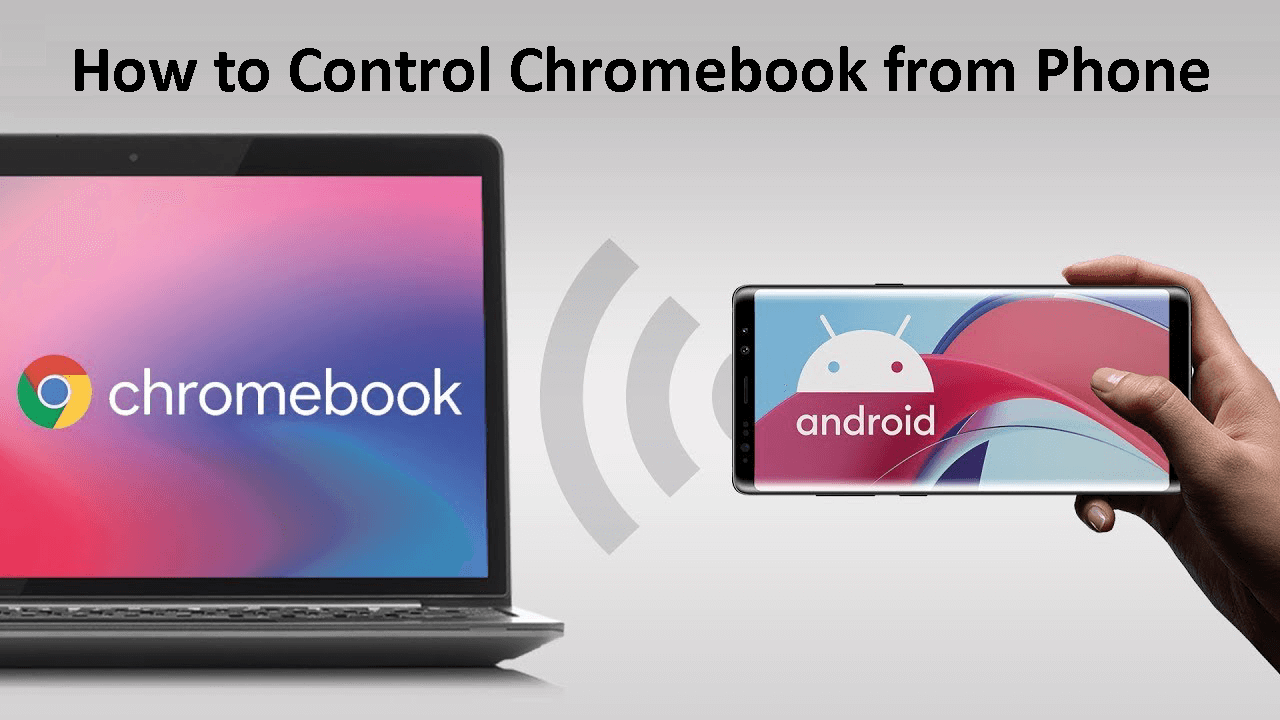
This article dives deep into how to control Chromebook from Android phone or iPhone, covering seven effective methods, including official and third-party apps, step-by-step guides, troubleshooting tips, and security best practices. By the end, you'll have a complete roadmap for seamless Chromebook remote access.
Understanding Chromebook's Remote Control Capabilities
Chromebooks are designed for cloud-centric computing, which makes remote access highly feasible. Here's what you should know when exploring how to control Chromebook from phone:
- Chrome Remote Desktop: This official Google tool allows secure, low-latency remote access across devices, including Android and iOS. Its interface mirrors your Chromebook screen in real-time, supporting both touch and mouse interactions.
- Accessibility Features: Chromebooks include built-in screen magnification, text-to-speech, and keyboard shortcuts. These make remote control more intuitive, especially for those who need assistive tools.
- Cross-Platform Support: Remote control isn't limited to phones running Android. iOS devices, tablets, and even other laptops can connect, offering flexibility for users in mixed-device environments.
By understanding these capabilities, you can make informed decisions about which method best fits your workflow.
Preparing Your Chromebook for Remote Access
Before diving into remote control, it's crucial to prepare your Chromebook properly:
1. Enable Chrome Remote Desktop:
- Open Chrome, navigate to [Chrome Remote Desktop](https://remotedesktop.google.com), and sign in with your Google account.
- Set up a secure PIN, which will be required whenever you connect from a phone.
2. Check System Requirements:
- Ensure your Chromebook runs Chrome OS 53 or higher.
- A stable internet connection is necessary for smooth, uninterrupted sessions.
3. Google Account Setup:
- Enable two-factor authentication for enhanced security.
- Link your Google account with your remote control app to prevent unauthorized access.
4. Additional Preparations:
- Keep your Chromebook awake and prevent it from sleeping during remote sessions.
- Close unnecessary applications to optimize performance and reduce latency.
Using Chrome Remote Desktop on Android and iOS
If you're wondering how to control Chromebook from Android phone, Chrome Remote Desktop is the simplest method:
Installation: Download the app from Google Play or the App Store.
Setup Steps:
Step 1. Launch the app and log in using the same Google account used on your Chromebook.
Step 2. Select your Chromebook from the device list.
Step 3. Enter the PIN you created during setup.
Interface Overview: The touch interface mirrors your Chromebook screen, supporting gestures like pinch-to-zoom and swipe.
Tips for Best Use:
- Ensure a strong Wi-Fi connection.
- Keep the Chromebook awake to prevent session interruptions.
- Avoid running high-resource applications on the Chromebook simultaneously.
Chrome Remote Desktop is user-friendly, secure, and free, making it ideal for most users.
Alternative Apps to Control Chromebook from Phone
These apps expand your options beyond Chrome Remote Desktop, offering unique features like file transfers, multi-device access, and high-resolution streaming.
Using TeamViewer to Control Chromebook
TeamViewer remains a trusted option for IT professionals and multi-device users:
Step 1. Installation: Install TeamViewer QuickSupport on the Chromebook.
Step 2. Login: Sign in on your phone using your TeamViewer account.
Step 3. Connect: Enter the Chromebook's TeamViewer ID for instant remote access.
Optimization Tips:
- Use strong Wi-Fi to prevent connection drops.
- Close high-resource applications to reduce latency.
- Adjust screen quality settings for smoother streaming.
TeamViewer is excellent for advanced users who need multi-device support and enterprise-level reliability.
Controlling Chromebook via VNC
VNC (Virtual Network Computing) offers flexible remote access but requires some technical setup:
Setup:
Step 1. Install a VNC server on your Chromebook.
Step 2. Use a VNC viewer on your phone to connect.
- Security Considerations: Use strong passwords and consider VPN tunneling for added protection.
- Advantages: Lightweight, customizable, supports multiple protocols.
- Disadvantages: Higher setup complexity; may not be as user-friendly as other apps.
VNC is ideal for tech-savvy users who prefer control over the connection and network settings.
Using Microsoft Remote Desktop for Chromebook
Although Microsoft Remote Desktop is designed for Windows, it can work for Chromebook via workaround methods:
- Limitations: Chromebook cannot natively host RDP connections.
- Workaround: Use a Windows virtual machine or remote server that your Chromebook accesses.
- Ideal Use Cases: Remote access for Windows apps, enterprise environments, or specialized workflows.
This method requires more technical knowledge but opens additional possibilities for Chromebook users in mixed environments.
Tips for Optimal Performance
Smooth performance is key to an enjoyable remote experience:
- Network Requirements: A high-speed, stable internet connection minimizes lag and latency.
- Device Preparation: Close unnecessary apps and processes to free up system resources.
- Latency Reduction: Use wired connections when possible, and reduce resolution if streaming is slow.
- Troubleshooting: Restart the app, Chromebook, or router if connection issues persist.
Optimizing your setup ensures uninterrupted productivity.
Security Measures and Privacy
Remote access must always prioritize security:
- Encrypted Connections: Use apps that provide end-to-end encryption.
- Two-Factor Authentication: Protect your accounts from unauthorized access.
- Safe Practices: Avoid sharing PINs or credentials and monitor active sessions regularly.
- Regular Updates: Keep both Chromebook and remote apps updated to patch vulnerabilities.
Following these guidelines minimizes the risk of unauthorized access.
Bonus tip: Control PC/Mac from Phone via AnyViewer
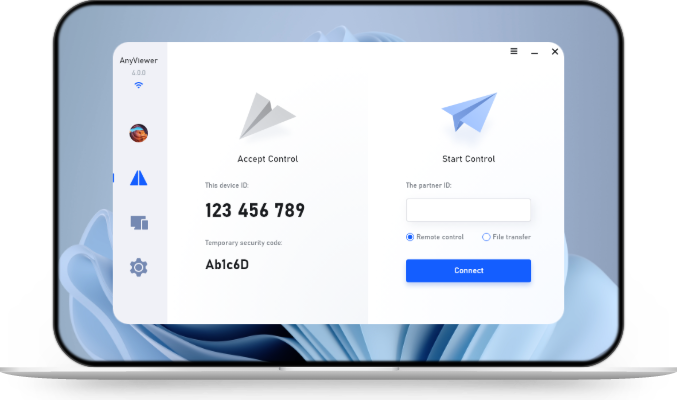
While this article focuses on how to control Chromebook from phone, you might also want to manage a Windows PC or Mac from your smartphone. This is where AnyViewer excels, one of the best remote desktop software offering cross-platform compatibility and ultra-HD performance.
Unlike some tools limited to Chromebooks, AnyViewer offers cross-platform compatibility, meaning you can use your phone (Android or iOS) to control not only Chromebooks but also Windows PCs and macOS devices.
Why Choose AnyViewer for PC/Mac Remote Control?
- Ultra HD Streaming Quality: AnyViewer supports ultra-high-definition remote sessions, making it ideal for tasks that require visual clarity, such as design work, presentations, or even light gaming.
- Seamless Cross-Platform Experience: Control a PC or Mac directly from your smartphone without complicated setup processes. The app ensures smooth transitions between different devices.
- Robust Security: All connections are encrypted end-to-end. Combined with two-factor authentication and device binding, AnyViewer provides enterprise-level protection.
- Multi-Monitor Management: AnyViewer enables you to control devices with multiple monitors. For example, you can manage a home PC or an office Mac from your smartphone, even if it has two or three monitors.
How to Use AnyViewer to Control PC/Mac from Phone
Step 1. Download AnyViewer: Install the app on your PC/Mac from the official AnyViewer website and on your phone from the Google Play Store or Apple App Store.
Step 2. Create an Account: Sign up and log in on both devices using the same account. This ensures they are linked under your device list.
Step 3. Initiate Remote Control: On your phone, select the PC/Mac from your device list and tap "One-Click Control".
Step 4. Control Interface: Your phone screen will now mirror your PC/Mac desktop. Use touch gestures for navigation and typing.
When to Use AnyViewer for PC/Mac Control
- Remote Work: Access your office computer to continue working on projects without being on-site.
- Technical Support: Provide real-time troubleshooting for friends, family, or clients.
- Education: Teachers can access and control school computers remotely.
- Entertainment: Stream media or manage software directly from your phone.
Conclusion
Mastering how to control Chromebook from phone empowers you to work, teach, and play remotely with unprecedented flexibility. Whether you prefer the simplicity of Chrome Remote Desktop, the versatility of TeamViewer, or the advanced features of AnyViewer, you now have multiple reliable options at your fingertips.
By preparing your Chromebook properly, optimizing your connection, and following security best practices, you can enjoy smooth, secure, and productive remote sessions anytime, anywhere. And if your needs extend beyond Chromebooks, tools like AnyViewer make it possible to control PCs and Macs seamlessly from your phone. In short, remote control empowers you with true flexibility, bringing your devices closer no matter where you are.
FAQs
1. Can I control a Chromebook from an iPhone?
Yes. Apps like Chrome Remote Desktop, AnyViewer, and TeamViewer allow full access from iPhones with minimal lag.
2. Is it safe to control Chromebook remotely?
Yes, provided you use secure apps, enable encryption, and practice strong password management.
3. Which app is best for controlling Chromebook from phone?
Chrome Remote Desktop is simplest, AnyViewer offers HD performance, and TeamViewer excels in multi-device support.
4. Can I transfer files while controlling Chromebook remotely?
Yes. AnyViewer and TeamViewer support secure file transfer. Chrome Remote Desktop allows file access via its interface.
5. Does remote control work over cellular data?
Yes, but high-speed 4G/5G or stable LTE is recommended for smooth performance.
6. Can I control multiple Chromebooks from one phone?
Yes. TeamViewer and AnyViewer allow managing multiple devices from a single account.
7. Do I need to keep my Chromebook awake to control it remotely?
Yes. If the Chromebook sleeps, remote sessions may disconnect. Adjust sleep settings in Chrome OS for uninterrupted access.


 as a preferred
source on Google
as a preferred
source on Google