
How to Start a Tech Support Business: A Step-by-Step Guide
This guide shows you how to start a remote IT support business. Learn how to find clients, offer the right services, set up tools like AnyViewer, hire the right team, and grow your business successfully.

By Ellie / Updated on August 22, 2025


How Can I Start a Remote IT Support Business?
The business world is moving faster than ever, with companies shifting toward remote-first operations. As a result, the demand for reliable remote IT support has skyrocketed. Businesses today can't afford downtime, and they rely on quick, effective solutions to keep their systems running smoothly no matter where their teams are located. Remote IT support has become more than just convenient, it's now a critical service that keeps modern organizations functioning without interruption.

Starting a remote IT support company offers enormous benefits. The startup costs are far lower compared to traditional office-based businesses since expenses like rent and utilities are eliminated. This lean model also provides flexibility, letting you tailor services as client needs evolve. What makes this venture especially appealing is its limitless reach: potential customers span across industries and global markets, offering countless opportunities for growth, specialization, and long-term stability. For entrepreneurs, it's not only a profitable path but also a sustainable and scalable business model.
This guide will take you step by step through the essentials of launching your own remote IT support business. Whether you're looking to learn how to start a tech support business or specifically how to start a remote tech support business, we've broken everything into seven clear sections to help you build a strong foundation and position yourself for success in this booming industry. Let's get started.
How to Start a Tech Support Business
Follow this step-by-step guide to understand the essentials of launching and growing a successful tech support business, including tips on how to start a remote tech support business effectively.
1. Identifying Your Ideal Clients
Launching a remote IT support business begins with a clear picture of the market you're stepping into. Strong research helps identify your ideal clients, whether that's small businesses, large enterprises, or nonprofit organizations. Each group faces its own unique IT challenges, particularly in a remote-first environment where stable connectivity, strong security, and seamless access to digital tools are non-negotiable.
By pinpointing these challenges, you can shape your services to fit specific needs. Smaller companies often look for affordable, quick-response solutions. Larger corporations tend to prioritize enterprise-level security and data management. Nonprofits may need flexible support that adapts to their shifting projects. Understanding these distinctions allows you to position your business as a strategic partner, delivering tailored solutions that solve immediate problems while strengthening long-term efficiency and resilience.
2. Tailoring Services to Client Needs
The next step is carving out a service portfolio that meets the diverse needs of modern businesses. The more detailed and focused your offerings are, the easier it becomes to establish trust and stand out in a crowded field. Key services may include:
- 24/7 Helpdesk Support: Provide round-the-clock assistance through phone, chat, email, or remote desktop access. Quick troubleshooting ensures minimal downtime and builds confidence in your reliability.
- Network Security Management: Protect clients against rising cyber threats with services such as firewall setup, intrusion detection, regular security audits, and staff training on cybersecurity best practices.
- Data Backup and Recovery: Safeguard critical business data with automated backups, secure cloud storage, and rapid recovery solutions designed to minimize the impact of data loss.
- Cloud Services Management: Guide businesses through cloud migration, optimize their infrastructure for performance and cost, and provide ongoing management to ensure scalability and security.
Outlining your services with this level of detail signals both competence and care. Clients will see that you not only understand the technology but also the real-world demands they face daily. This approach transforms your business from a simple service provider into a trusted IT partner, which is key when learning how to start a remote tech support business.
3. Powering Your Business with the Right Infrastructure
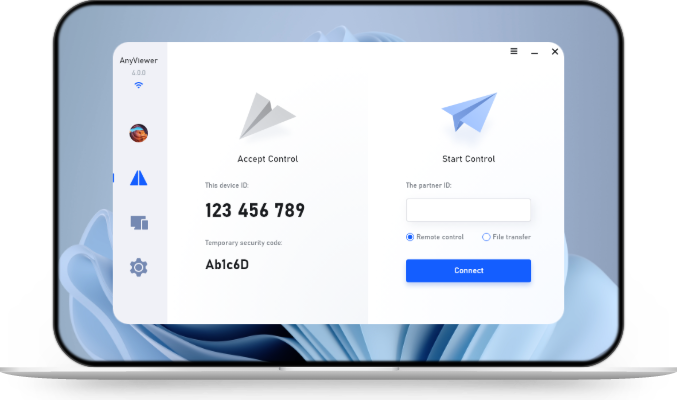
A strong infrastructure is the backbone of any remote IT support business. The right tools not only streamline service delivery but also ensure security, scalability, and professional management. One powerful remote support solution to consider is AnyViewer, which offers an all-in-one platform designed for different support needs:
- Flexible remote access: Ideal for both attended and unattended remote sessions across desktops and mobile devices. Technicians can manage hundreds of endpoints with ease, using features such as file transfer, remote reboot/lock, session recording, and one-to-many operations.
- Centralized management console: Built with advanced IT-grade tools. This includes a centralized management console with features like computer grouping, role permission management, unlimited deployed team devices, and Mass Deployment (MSI).
- Enhanced security and compliance: AnyViewer ensures your remote sessions are secure with end-to-end encryption, multi-factor authentication, and detailed activity logging. This protects both your clients' data and your business reputation.
Together, this infrastructure stack delivers a solid foundation for your business, combining performance, security, and flexibility to scale as your client base grows. With the right platform like AnyViewer, your IT support operations become more efficient, professional, and future-ready, a must-know for anyone exploring how to start a tech support business remotely.
4. Hiring and Growing Your IT Talent
Behind every successful IT support business is a capable and adaptable team. Hiring the right people means looking beyond technical knowledge. You need professionals who are self-driven, great communicators, and comfortable working remotely while handling complex technical issues independently.
After recruitment, continuous learning becomes just as important. Encourage your team to enhance their expertise through certifications and training programs. Platforms like Coursera, Udemy, and LinkedIn Learning provide excellent courses on emerging technologies and cybersecurity practices. Keeping pace with industry changes through webinars, online communities, and newsletters also ensures your team stays ahead of the curve.
A team that's skilled in the latest tools and security protocols doesn't just solve problems, it elevates your brand. By fostering growth and a culture of ongoing learning, you create a workforce capable of delivering exceptional service, strengthening both client trust and your company's reputation.
5. Marketing Tactics That Drive Growth
A thriving remote IT support business depends on smart marketing and effective client acquisition. Your first step is to establish a strong online presence. Build a professional website that acts as your digital storefront, clean, mobile-friendly, and SEO-optimized. Clearly outline your services, showcase your team's expertise, and make your contact information easy to find. Adding a blog with helpful tips and industry insights not only demonstrates authority but also keeps your content fresh and engaging for visitors.
Social media should be another cornerstone of your strategy. Select platforms that align with your target audience, LinkedIn for B2B networking, X (formerly Twitter) for tech discussions, and Facebook for wider reach. Share valuable content, case studies, and updates that highlight your expertise. Paid ads with precise targeting can further boost visibility and bring in qualified leads.
Don't underestimate the power of networking. Attend trade shows, virtual conferences, and local business meetups to expand your professional circle. Engage in online communities and forums to answer questions, provide solutions, and subtly position your brand as a trusted authority.
Finally, leverage social proof. Collect testimonials from happy clients and display them prominently on your website and marketing materials. Develop in-depth case studies that break down how you solved real-world IT problems, from the initial challenge to your approach and the final results. These stories build credibility and help potential clients visualize the tangible value of working with you.
6. Crafting a Competitive Pricing Strategy
A well-structured pricing strategy can make or break your remote IT support business. It's important to balance profitability with client appeal by aligning your rates with the value you provide. Here are some proven approaches:
- Tiered Pricing Model: Offer packages that range from basic to premium support, giving clients flexibility to select services that match their needs and budgets.
- Value-Based Pricing: Charge according to the impact your service delivers. For instance, if your solutions minimize downtime or strengthen cybersecurity, you can justify higher fees because of the measurable savings and protection for your clients.
- Hourly vs. Flat-Rate Fees: For ongoing, predictable services, flat-rate pricing gives clients cost certainty. For complex or variable projects, hourly rates ensure you're fairly compensated for the time and expertise required.
- Market Benchmarking: Regularly review competitors' pricing to remain competitive while emphasizing the superior quality, reliability, and customization of your offerings. Avoid undercutting just to win clients; highlight the unique value you deliver instead.
- Value-Added Services: Bundle complementary services such as employee cybersecurity training or tailored software solutions. These extras can serve as additional revenue streams while boosting the perceived worth of your core offerings.
Above all, be transparent. Clearly outline what each package or fee includes, and eliminate hidden costs. Straightforward pricing not only builds trust but also attracts long-term clients who prioritize reliability and professionalism over the lowest bid.
7. Navigating Legal and Regulatory Requirements
Understanding and addressing legal requirements is a crucial part of launching a remote IT support business. Start by properly registering your company according to local regulations. Choose a business structure, such as an LLC, corporation, or sole proprietorship, that best suits your needs and long-term goals.
Insurance is another essential safeguard. General liability insurance can protect against common business risks, while professional liability insurance (also known as errors and omissions insurance) covers claims arising from the IT services you provide.
Data protection and privacy are critical in the IT industry. Stay informed about regulations like GDPR in the EU, CCPA in California, and other regional laws that may apply to your clients. Implement strong security practices and policies to ensure compliance, protecting sensitive client data and avoiding potential legal issues.
By proactively managing legal and compliance requirements, you not only protect your business from risk but also build credibility and trust with clients, demonstrating professionalism and reliability from day one.
10 Key Benefits of Remote IT Support for Businesses
Discover how leveraging remote IT support can transform your operations, boost efficiency, and strengthen your business resilience.
- Faster Response Times: Technicians can connect instantly to devices, resolving issues quickly without the delays associated with travel or on-site visits.
- Lower Operational Costs: Remote support reduces expenses related to travel, staffing, and on-site infrastructure, helping businesses optimize their IT budgets.
- 24/7 Availability: With round-the-clock remote support, global teams and after-hours incidents can be handled efficiently, ensuring continuous operations.
- Increased Productivity: Quick problem resolution minimizes downtime, allowing employees to stay focused and maintain high productivity levels.
- Broader Device Coverage: Support extends seamlessly across desktops, laptops, mobile devices, and even kiosks or point-of-sale systems, all managed from a centralized platform.
- Improved Scalability: As your business expands, remote IT support allows you to manage more users and endpoints without proportionally increasing IT staff.
- Better Documentation and Auditing: Support sessions can be logged, recorded, and tracked, providing clear audit trails and helping meet compliance requirements.
- Enhanced Security Controls: Modern remote solutions offer strong encryption, access management, multi-factor authentication, and session monitoring to keep operations secure.
- Seamless Software Deployment and Updates: IT teams can install software or push updates remotely without disrupting workflows, keeping systems current and safe.
- Higher Customer and Employee Satisfaction: Fast, effective support enhances the experience for both internal teams and external clients, fostering trust and loyalty.
This comprehensive list highlights why remote IT support isn't just a convenience, it's a strategic advantage for businesses of all sizes.
How AnyViewer Can Help You Launch Your Remote IT Support Business
AnyViewer provides a comprehensive suite of remote access and support tools tailored to help you build and grow your remote IT support business. With AnyViewer, you can seamlessly manage and access client computers and servers, ensuring efficient maintenance and swift issue resolution.
Designed with security, reliability, and user-friendliness in mind, AnyViewer equips IT professionals to deliver top-tier support without compromise. By leveraging these tools, you can enhance service quality, streamline operations, and establish a strong foundation of trust with your clients.
Take the first step in learning how to start a remote tech support business by implementing the strategies in this guide. With the right tools, team, and approach, you can successfully launch a thriving IT support company and meet the growing demand for remote services.



 as a preferred
source on Google
as a preferred
source on Google