
What Is Private Label Remote Support?
Private label remote support lets companies provide IT help under their own brand instead of a third-party name. It builds trust, improves customer loyalty, and works for industries like IT, healthcare, education, and finance.

By Ellie / Updated on August 21, 2025


Introduction to Private Label Remote Support
In today's fast-paced digital economy, customer experience has become a make-or-break factor for businesses. Whether you're running a SaaS company, a managed service provider (MSP), or an IT consultancy, the ability to provide reliable and seamless remote IT support services determines how customers perceive your brand. Enter private label remote support, a powerful solution that allows businesses to offer cutting-edge IT support tools under their branding.

Unlike traditional remote support tools, which often feature the vendor's name and branding, private label solutions enable companies to rebrand the software with their logo, colors, and identity. This simple shift makes a world of difference. Customers no longer see an unfamiliar third-party tool; instead, they interact with a support solution that feels like an integrated part of your brand. This strengthens trust, improves loyalty, and positions your company as a professional and capable service provider.
The demand for private label solutions has grown tremendously in recent years. With the rise of remote work, cybersecurity concerns, and digital-first customer expectations, businesses need scalable support systems that not only solve problems efficiently but also reinforce brand credibility. Remote support is no longer just about fixing issues; it's about delivering a branded experience that builds lasting relationships.
In this article, we'll explore what private label remote support is, how it works, the benefits it brings, and why it's becoming a must-have tool for modern businesses. From MSPs to enterprises, companies across industries are realizing the competitive edge this solution offers.
Understanding Private Label Remote Support
At its core, a private label remote support solution is a custom-branded version of a remote IT support platform. Instead of using a vendor’s branding, businesses can rebrand the interface, logo, and domain, creating a seamless support experience for their clients. This differs from white-label remote support software, which typically allows only basic branding changes, such as logos or colors. A private label solution offers deeper customization, giving your company full control over the user experience.
The key difference between traditional remote support and private label support lies in ownership of the user experience. With traditional tools, customers see the vendor's name, logos, and sometimes even marketing messages. This can be confusing and may dilute your brand presence. Private label solutions, on the other hand, make the entire experience seamless and fully aligned with your business identity.
For MSPs, VARs (Value-Added Resellers), and IT consultants, private label support is a game-changer. It allows them to deliver enterprise-grade support without spending millions on developing proprietary tools. Instead, they leverage proven solutions but brand them as their own. This not only saves time and money but also creates opportunities for new revenue streams.
The benefits don't stop there. Private labeling creates a psychological shift for customers. They perceive your company as being more resourceful and capable because you appear to own the technology. In a competitive market where clients are spoiled for choice, such branding advantages can significantly boost retention rates and customer satisfaction.
Key Features of Private Label Remote Support Solutions
When evaluating private label remote support tools, it's important to look at the features that set them apart. These solutions are designed not just for functionality but also for scalability, security, and customization. Let's break down the most important features:
1. Branding and Customization
- Full control over logos, themes, and interface design.
- Ability to create a seamless brand experience across web portals, mobile apps, and desktop clients.
- Custom domain usage for portals and login screens.
2. Security and Compliance
- End-to-end encryption ensures that data and sessions are protected.
- Compliance with standards such as GDPR, HIPAA, and SOC 2.
- Role-based access controls and audit logs for tracking support activities.
3. Integration Capabilities
- API integrations with CRM, helpdesk, and ticketing systems.
- Compatibility with ITSM (IT Service Management) tools.
- Multi-device support (Windows, macOS, Linux, Android, iOS).
4. Scalability
- Ability to manage thousands of users and devices from a single console.
- Cloud-based or hybrid deployments to support business growth.
- Multi-tenant architecture for MSPs handling multiple clients.
How Private Label Remote Support Works
The inner workings of private label support tools are similar to traditional remote support platforms but with enhanced customization. Here's a simplified breakdown:
- Client Requests Support: A customer reaches out through a branded portal or app.
- Authentication and Security Check: The platform verifies user identity and ensures compliance with security policies.
- Technician Connects Remotely: Support staff securely access the customer's device to diagnose and resolve issues.
- Session Recording and Reporting: Logs, reports, and session histories are recorded under the MSP's branding.
- Customer Feedback: After resolution, customers leave feedback, reinforcing the brand experience.
Automation and AI are also playing a growing role in these tools. From predictive diagnostics to automated troubleshooting, modern private label platforms are reducing response times and delivering smarter support.
Industries Benefiting from Private Label Remote Support
The beauty of private label remote support is that it's not limited to IT companies alone. Almost every industry that relies on digital infrastructure and remote interactions can benefit. Let's dive into some of the most impactful sectors:
1. IT and SaaS Companies
For IT service providers and SaaS businesses, private label support is almost a necessity. Customers expect quick fixes, proactive monitoring, and branded interactions. A SaaS platform that integrates its own branded support system looks far more professional than one redirecting users to a third-party vendor. This improves customer confidence and makes the product feel like a complete ecosystem.
2. Healthcare and Telemedicine
Healthcare is increasingly digital, with telemedicine and online consultations becoming mainstream. Doctors, clinics, and healthcare platforms need HIPAA-compliant remote support that patients can trust. Branding is crucial here because patients are wary of unknown third-party platforms handling their sensitive data. Private label solutions ensure that the provider's branding and credibility remain intact while still leveraging secure remote support technology.
3. Education and E-learning
The education sector has undergone a massive digital transformation. Online classes, e-learning platforms, and digital campuses require constant tech support. Students and teachers often face device or software issues, and private label remote support ensures a branded, seamless helpdesk experience. For schools and universities, it reinforces institutional identity while improving overall efficiency.
4. Financial Institutions and Fintech
Security and trust are non-negotiable in finance. Banks, credit unions, and fintech platforms use remote support to troubleshoot apps, accounts, and services. A private label approach prevents confusion by keeping the financial institution's brand front and center. Customers feel reassured knowing their bank is directly helping them, rather than a faceless third-party vendor.
By spanning across these industries, private label remote support highlights its flexibility and universal applicability. Whether it's protecting patient data, assisting students, or troubleshooting software, the solution adapts to unique industry requirements.
Choosing the Right Private Label Remote Support Provider
Not all providers are created equal. Choosing the right one can make or break the success of your branded support strategy. Businesses need to consider several factors before making a decision.
- Scalability and Infrastructure
Ask yourself: Will this platform grow with my business? A good provider should offer scalability, cloud-based deployment, and multi-client management, especially for MSPs with diverse customer bases.
- Branding Flexibility
Some providers allow deep customization (logos, themes, domains), while others only offer minimal rebranding. For maximum impact, go with a provider that allows complete brand integration, including mobile apps and portals.
- Security Standards
Providers must comply with security benchmarks like ISO, GDPR, HIPAA, depending on your industry. Always verify their certifications before committing.
- Cost and Pricing Models
Look for transparent pricing. Some providers lure businesses with low upfront costs but later charge hidden fees for advanced features. Always check for scalability pricing, licensing, and per-user costs.
- Support and Training
Even the best platforms require onboarding and training. Ensure the provider offers 24/7 technical support, detailed documentation, and training resources.
Comparing providers side by side helps in making informed decisions. The right provider should not only deliver a strong platform but also act as a long-term technology partner for your business.
Private Label Remote Support vs. Traditional IT Support
To truly understand the value of private label solutions, it's important to compare them with traditional IT support methods.
Traditional IT Support
- Often involves manual troubleshooting or on-site visits.
- Customers usually interact with third-party branded tools.
- Limited scalability as businesses grow.
- Higher long-term costs due to infrastructure and staffing needs.
Private Label Remote Support
- Remote troubleshooting reduces downtime.
- Branding ensures customers always see your company name.
- Cloud-based platforms allow instant scalability.
- Lower operational costs by reducing in-house IT burdens.
For example, a small business using traditional IT support may wait hours (or even days) for a technician to visit on-site. But with private label support, issues can be resolved within minutes, and the client associates the efficiency directly with the business's brand.
Ultimately, private label solutions offer better customer experience, scalability, and cost savings, making them the smarter choice for forward-thinking businesses.
Bonus tip: Best Remote Support Software for Businesses AnyViewer
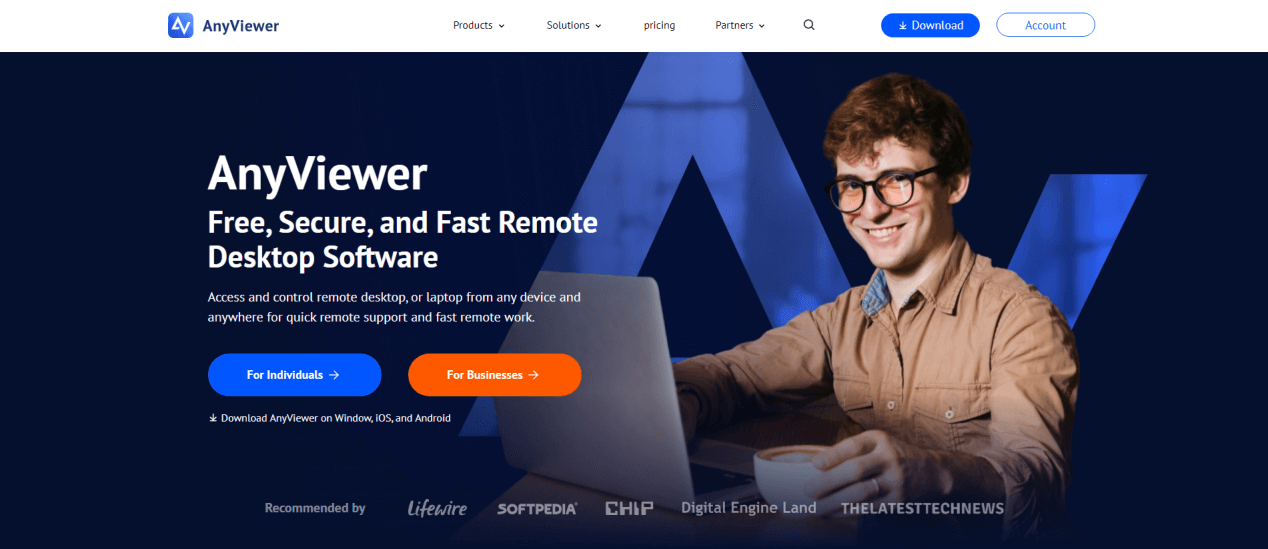
When discussing top remote support solutions, AnyViewer stands out as one of the most reliable and versatile providers in the market. Designed to support both individual professionals and enterprise-level businesses, AnyViewer combines ease of use with powerful features, making it the ideal choice for companies that want a professional, secure, and scalable remote support platform.
- Advanced Security & Compliance
AnyViewer prioritizes data protection with industry-standard end-to-end encryption and secure authentication protocols. It also supports compliance requirements for industries such as healthcare (HIPAA) and finance, making it a trustworthy solution for handling sensitive information.
- High Performance & Cross-Platform Support
Performance is a key factor in remote support, and AnyViewer delivers with fast connections, low latency, and stable sessions. The platform supports multiple operating systems, including Windows, macOS, iOS, and Android, which ensures flexibility for technicians and clients across devices.
- Scalability & Multi-Client Management
For Managed Service Providers (MSPs) and IT consultants, AnyViewer offers multi-client management, allowing technicians to handle multiple businesses within one platform. This scalability ensures that as your business grows, the support system can grow with you.
- Collaboration Tools
AnyViewer makes teamwork during remote support easy. Technicians can chat directly with users while fixing problems, send files securely, and even record sessions for later review. These features make support faster, smoother, and more user-friendly.
- Cost-Effective & Transparent Pricing
Unlike many competitors that charge hidden fees for advanced features, AnyViewer provides clear, affordable pricing plans. This makes it an attractive choice for both small businesses looking to appear more professional and large enterprises seeking a robust remote support infrastructure.
Conclusion
Private label remote support is more than just a technical solution; it's a strategic business tool. By combining cutting-edge technology with branding, businesses can deliver seamless, secure, and professional support experiences that strengthen customer trust.
From IT and healthcare to finance and education, industries across the board are realizing the power of owning their support identity. MSPs, SaaS companies, and enterprises alike can use private label platforms to scale efficiently, reduce costs, and improve customer loyalty.
Looking ahead, the integration of AI, AR/VR, and cloud-first models will push private label remote support into new territory, making it indispensable for businesses that want to stay competitive.
In short, private label remote support isn't just the future of IT service, it's the present. Companies that embrace it today will reap long-term rewards in customer satisfaction, brand recognition, and operational efficiency.
FAQs
1. What is the difference between private label and white label remote support?
Private label allows deeper customization and full brand ownership, while white label usually offers limited branding changes like logos and colors.
2. How secure are private-label remote support platforms?
They use end-to-end encryption, role-based access, and compliance with GDPR, HIPAA, and SOC 2 to ensure security and data privacy.
3. Can small businesses benefit from private label solutions?
Yes, small businesses can use private label support to appear more professional, build credibility, and compete with larger providers.
4. What industries need private label remote support the most?
Industries like IT, SaaS, healthcare, education, and finance rely heavily on secure and branded remote support.
5. How do I choose the right provider for my company?
Look for scalability, strong security standards, flexible branding options, transparent pricing, and reliable customer support.



 as a preferred
source on Google
as a preferred
source on Google