
Chrome Remote Desktop Last Online or Offline? 5 Fixes
Chrome Remote Desktop showing “Last online” instead of connecting? Try these five checks to get your computer online, or set up an alternative for remote access.

By Ellie / Updated on November 5, 2026


What does “Last online” mean in Chrome Remote Desktop?
“Last online” indicates when the remote computer was last available to Chrome Remote Desktop. It does not identify the cause of the connection problem. The computer may be asleep, disconnected from the internet, or unable to run the host software properly.
Start by checking the remote computer’s power and internet connection. If nobody is there and you have no other working remote access method, you may need someone at the computer to complete the checks below.

5 fixes for Chrome Remote Desktop showing Last Online
Try these checks in order, starting with power, connectivity, and account settings before reinstalling anything. Most steps require access to the remote computer. Windows-specific and Mac-specific instructions are labeled below.
Fix 1. Check the remote computer’s power and internet connection
- Make sure the remote computer is powered on and awake.
- On that computer, open a website to confirm its internet connection works.
- Temporarily adjust its sleep settings so it stays awake while you test.
- On your local device, refresh the Chrome Remote Desktop page and try connecting again.
If the remote computer is shut down or disconnected, changing settings on your local device will not bring it online.
Fix 2. Check your Google account and remote access setup
- On the remote computer, open remotedesktop.google.com/access.
- Confirm that you are signed in to the Google account used to set up remote access.
- Check that remote access is configured. If setup is incomplete, follow the onscreen instructions.
- On your local device, sign in to the same Google account, refresh the device list, and try again.
For one-time help from another person, use remotedesktop.google.com/support instead. A support code requires someone at the remote computer to generate the code and approve access.
Fix 3. Check firewall, VPN, and network restrictions
- Update Chrome to the latest version and try connecting again.
- If a VPN is active, temporarily disconnect it when permitted and test the connection.
- Check whether your firewall or antivirus software is blocking Chrome Remote Desktop.
- On a work or school network, ask your administrator whether remote access is allowed.
Keep your firewall enabled. If filtering is the cause, configure the required access rather than disabling protection for all network traffic.
Fix 4. Review screen recording permissions on Mac
If the remote computer is a Mac, open System Settings > Privacy & Security and review the screen recording permission requested by Chrome Remote Desktop. Depending on your macOS version, this may appear under Screen Recording or Screen & System Audio Recording.
Enable the requested permission for the relevant app or component, then follow any prompt to reopen it. Review Accessibility permissions if requested during setup.
If the remote computer runs Windows, skip this fix.
Fix 5. Reinstall the Chrome Remote Desktop host
If the earlier checks do not help, reinstall the host software on the remote computer.
- On Windows, open Settings > Apps and uninstall Chrome Remote Desktop Host.
- Restart the computer.
- Open remotedesktop.google.com/access in Chrome.
- Follow the onscreen instructions to reinstall the host and set up remote access.
- Refresh the device list on your local computer and test the connection.
On a Mac, use the Chrome Remote Desktop Host Uninstaller, then set up remote access again.
You do not need to delete your Chrome profile folder for this reinstall.
Need another way to access your remote PC? Try AnyViewer
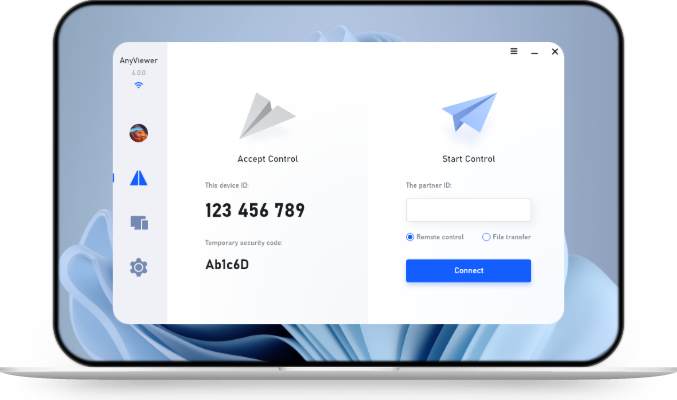
If Chrome Remote Desktop still cannot connect, you can set up AnyViewer as another remote access option. Use it to access your own computer, open work applications, or help someone remotely.
You need to install and configure AnyViewer on the remote computer first. It cannot bring a powered-off or disconnected PC online.
How to connect with AnyViewer
- Install AnyViewer on both computers.
- For your own devices, sign in to the same AnyViewer account on both PCs.
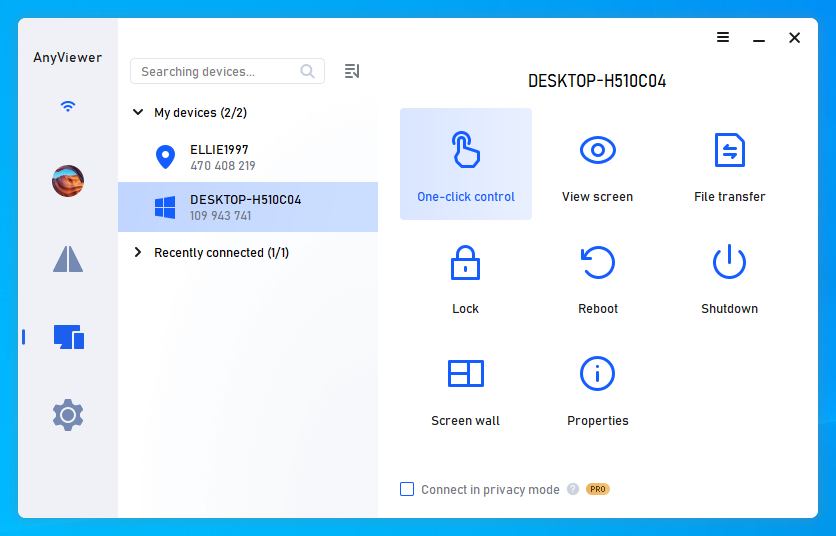
- On your local PC, select the remote computer in the device list and choose One-click control.
- Once connected, open the files or applications you need.
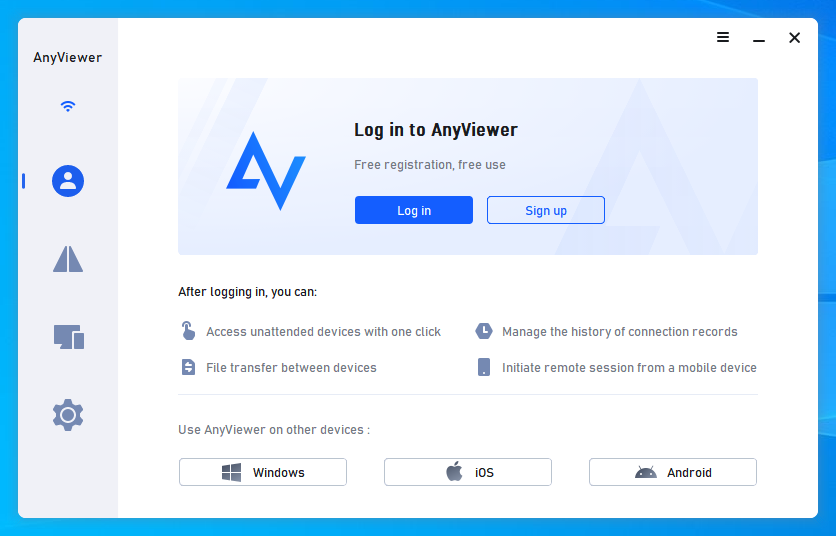
Helping someone else? Use their device ID to send a remote control request and ask them to approve it.
Start with AnyViewer’s free plan to test your connection. If you need access to more devices, privacy mode, or higher file-transfer limits, compare the paid plans for your workflow.
Conclusion
If Chrome Remote Desktop shows “Last online,” check the remote computer’s power, internet connection, account, and access settings first. Then review network restrictions, Mac permissions, or reinstall the host if needed.
If you want another remote access option, set up AnyViewer while you have access to the remote PC and test the connection before you need it.


 as a preferred
source on Google