
Best 10 SEO Tools Comparison for Multiple Users
This SEO tool comparison for multiple users reviews 10 leading platforms (like Semrush and Ahrefs) to help teams choose the best collaborative software. It details features and pricing, while showing how remote desktop tools like AnyViewer can bypass expensive per-seat fees.

By Ellie / Updated on June 1, 2026


Finding the right software becomes a massive headache when your marketing department or agency expands. You aren't just looking for accurate keyword data anymore; you need seamless workspace permissions, simultaneous project tracking, and client-ready reporting. Navigating a comprehensive SEO tool comparison for multiple users is the only way to avoid the costly mistake of paying for redundant single-user seats or dealing with constant security friction from credential sharing.

Choosing the wrong platform can drain your budget instantly, as many mainstream tools levy heavy premiums for adding extra team members. To help your team scale efficiently, this guide breaks down the data depth, multi-user mechanics, and cost-effective alternatives of the market's leading collaborative SEO platforms.
Top Platforms Evaluated: Head-to-Head Comparison
Finding the best SEO tool comparison for multiple users requires looking closely at how seats are priced and how projects are shared. Here is how the dominant market leaders stack up for collaborative ecosystems.
1. Semrush: The Ultimate All-in-One SEO Hub
Launched in 2008, Semrush has established itself as the gold standard for digital marketing.
Unlike basic tools that only handle simple keyword tracking, it bundles an entire marketing suite into one screen. It allows users to manage search engine visibility, paid ad spending, social media channels, and deep competitor analysis without constantly switching tabs.
For agencies, the platform acts as an operational lifesaver by offering built-in client management (CRM) software and white-label client portals. Backed by a massive database of over 25 billion keywords spanning 130 countries, it easily supports both small local businesses and massive international corporations. It continuously tracks daily rankings and handles massive technical site audits of up to a million pages.
However, because it packs so much power under the hood, it comes with a noticeable learning curve. Established teams with varied client needs will get the most value out of it, whereas smaller teams or solo creators might find the pricing steep and the interface overwhelming.
Who Is It For?
This platform is ideal for agencies and marketing teams managing multiple clients who need to handle SEO, paid ads, content creation, and competitor research from a single dashboard.
Everyday Use Case
Marketing professionals rely on this software daily to hunt for profitable keywords, spy on competitors, run website health checks, and draft content schedules. Its specialized expansion kit makes it incredibly easy to find new business leads and generate polished, custom-branded reports for existing clients.
Core Highlights
- Keyword Magic Tool: Grants access to a global database of over 25 billion search terms.
- Daily Position Tracking: Monitors exact local and regional search rankings every single day.
- High-Volume Site Audits: Crawls and analyzes up to 1 million pages a month on higher tiers.
- Content Optimization Suite: Features an on-screen writing assistant and automated topic research.
- Competitor Intelligence: Uncovers what keywords, traffic sources, and paid ads your rivals are using.
- Agency Management Growth Kit: Includes an agency-focused CRM and custom-branded reporting tools.
Pros
- Replaces Multiple Subscriptions: Bundling SEO, PPC, and social media under one roof saves money and eliminates software clutter.
- Streamlined Client Management: The built-in CRM and custom subdomains offer client-handling features most competing tools lack.
- Massive International Reach: Exceptional keyword accuracy across the globe makes it indispensable for international or export marketing.
- Deep Historical Data: Premium plans allow you to look back all the way to 2012 to track long-term algorithm trends.
Cons
- Intimidating for Beginners: The sheer volume of features means new team members will need a few weeks to feel comfortable using it.
- Premium Pricing: Starting at $139.95 per month, it represents a significant budget commitment compared to single-purpose tools.
- Occasional Report Lags: Generating massive, data-heavy analytics reports for enterprise accounts can take a few minutes.
Pricing
- Free Trial: 7 days
- Starter: $165.17 / month
- Pro+: $248.17 / month
- Advanced: $455.67 / month
2. Ahrefs: The King of Backlinks and Competitor Spying
If you want to know everything about links, Ahrefs is the absolute gold standard. Started in 2010, it runs a massive web crawler that is so active it is second only to Google, and it keeps track of over 36 trillion links across the web.
Its most famous feature, Site Explorer, lets you peek behind the curtain of any competitor's website. You can see exactly who is linking to them, which pages get the most traffic, and what keywords bring them customers. It’s like getting a copy of their playbook.
The best part? Ahrefs updates its link database every 15 to 30 minutes. This means you see new links almost in real time, while other tools make you wait days or weeks. It also includes a giant library of 24 billion keywords across more than 240 countries, and its difficulty scores are incredibly trustworthy.
Unlike Semrush, Ahrefs does not try to do everything. It focuses purely on SEO, no social media management and no paid Google ad tracking. This keeps the layout incredibly clean and easy to navigate, but it does mean you will need separate tools if you want to run a full digital marketing campaign. The biggest headache for growing agencies is the cost: adding extra team members gets expensive very quickly.
Who Is It For?
This tool is perfect for marketing agencies that care deeply about tracking links, digging into what competitors are doing, and getting the most accurate data possible.
Everyday Use Case
SEO experts open this tool every morning to check who is linking to their clients, find missing content opportunities, and hunt for easy wins. By using a smart filter to find "weak competitors with low domain scores," teams can instantly find easy keywords where they can quickly jump to the top of Google.
Core Highlights
- Unmatched Link Tracker: Monitors 36 trillion links with fresh updates hitting the dashboard every few minutes.
- Massive Keyword Finder: Holds a database of 24 billion keywords covering almost every country.
- Content Opportunity Finder: Quickly spots the most popular articles and topics in any business niche.
- Rank Monitor: Keeps a close eye on where your website stands in search results across different cities.
- Technical Site Scanner: Crawls through your website to find hidden technical errors that hurt your Google rankings.
- Content Gap Tool: Shows you a list of valuable keywords that all your competitors rank for, but you don't.
Pros
- The Best Link Data on Earth: Because it updates every 15 to 30 minutes, you will spot new competitor links weeks before anyone using other software.
- Trustworthy Difficulty Scores: Its scoring system actually matches real-world results, helping you avoid wasting time on keywords that are impossible to rank for.
- The Ultimate Content Roadmap: The Content Gap tool basically tells you exactly what articles to write next to steal traffic from your rivals.
- Bulk Scanning Saves Hours: You can paste up to 200 websites at once and get their stats instantly, saving days of manual clicking.
Cons
- Pricey for Growing Teams: Adding extra team members costs an extra $40 to $80 per person every month, which adds up fast.
- Strictly for Organic Search: There are no tools for managing paid Google ads or Facebook campaigns here.
- Basic Client Reports: It lacks advanced custom-branding tools, so you might need a secondary tool to build pretty reports for your clients.
Pricing
- Lite Plan: $129 / month
- Standard Plan: $249 / month
- Advanced Plan: $449 / month
- Enterprise Plan: $1,499 / month
3. AgencyAnalytics: Dedicated Client Reporting and Dashboard Automation
Rather than acting as an independent research database for backlinks or search terms, this software functions as a data aggregator. It pulls real-time performance metrics from over 80 major platforms, such as search tools, paid ad networks, and social media channels, and shapes them into clean, executive-ready presentations.
The primary advantage of the software is its comprehensive white-labeling system. Agencies can completely strip out the platform's native branding, replacing it with their own corporate logos, brand colors, custom email templates, and dedicated login URLs hosted on their own subdomains.
For service providers managing a growing client roster, the automation tools drastically reduce operational friction. Instead of manually building custom PDF summaries or spreadsheet reports at the end of every month, account managers can configure recurring delivery schedules that email reports directly to clients. The system also features internal AI summary tools that automatically generate conversational overviews explaining recent campaign shifts.
It is important to recognize that this software does not replace deep analytical tools like Semrush or Ahrefs. Instead, it serves as a complementary presentation layer, meaning active external data subscriptions are required to keep the dashboards populated.
Who Is It For?
This software is built specifically for marketing agencies that want to automate their client reporting and deliver fully branded, professional dashboards.
Everyday Use Case
Account managers deploy this system to sync marketing data from different networks into a unified dashboard. By eliminating manual data entry, teams save dozens of hours every month, turning a multi-day reporting process into a hands-off, automated routine.
Core Highlights
- Broad Integration Ecosystem: Native data connections to over 80 prominent SEO, PPC, social media, and analytics platforms.
- Hands-Off Distribution: Fully automated delivery engines that dispatch PDF, web-based, or email summaries on a set schedule.
- Complete Corporate Customization: Total control over interface visuals, customer login pages, and custom domain hosting.
- Controlled Access Portals: Secure client login windows featuring customizable view permissions for individual stakeholders.
- Multi-Channel KPI Tracking: Centralized scorecards that measure cross-platform target metrics and performance goals side by side.
- Automated Narrative Summaries: Built-in AI assistants that draft plain-language explanations of weekly or monthly traffic swings.
Pros
- Tailored for Agency Workflows: Every feature, from sub-user permission structures to template replication, is built around the realities of managing external business clients.
- Eliminates Platform Hopping: Consolidation helps you avoid logging into separate advertising, social, and web analytics tools just to find a handful of performance metrics.
- Substantial Labor Reductions: Automating weekly and monthly data pulls can claw back 10 to 20 hours of manual spreadsheet assembly per employee each month.
- Code-Free Layout Customization: A highly flexible drag-and-drop report creator lets users build visually distinct dashboards in minutes using pre-configured layout widgets.
Cons
- Zero Research Capabilities: The system contains no built-in engines for organic search discovery, rank tracking keywords, or link profiling; it only displays data gathered elsewhere.
- Dependent on Tool Budgets: Connecting external services requires active, paid subscriptions with those underlying third-party platforms.
- No Deep Technical Scanning: The platform does not crawl websites or uncover technical code infrastructure bugs like specialized site audit tools do.
Pricing
- Free Trial Evaluation: 14 days
- Freelancer Tier: $79 / month (covers up to 5 client accounts)
- Agency Tier: $239 / month (covers up to 10 client accounts)
- Agency Pro Tier: $479 / month (covers up to 15 client accounts)
- Enterprise Custom: Tailored pricing based on larger operational scale
4. Google Search Console: The Ultimate Truth for Search Data
Google Search Console gives you an unfiltered look at how your website behaves inside the world's biggest search engine. Unlike paid tools that have to guess or estimate your traffic stats, this platform tells you exactly what Google sees.
Inside the main Performance report, you can track real clicks, impressions (how many times your site showed up on screen), true click-through rates, and your exact average ranking spot. It saves a rolling 16 months of history, which is perfect for comparing this year's traffic numbers against last year's to spot seasonal trends.
On the technical side, the tool acts like a diagnostic scan for your website. It clearly flags indexing errors, alerts you if Google bots are blocked from reading your pages, and tracks "Core Web Vitals", which are Google's official speed metrics for how fast and smooth your website loads for real users.
Because it connects seamlessly with other free tools like Google Analytics and Looker Studio, agencies can easily pull this official data into customized dashboards for their weekly or monthly meetings.
Who Is It For?
This tool is an absolute must-have for every marketing agency and website owner. Because it is completely free and comes straight from Google, it is the most important foundation for tracking how your site performs in search results.
Everyday Use Case
Website managers check this dashboard daily to look for technical errors, track sudden drops in traffic, and see exactly what words people type into Google to find their site. It is always the very first place to look when a client's Google rankings suddenly shift.
Core Highlights
- Official Performance Reports: Shows the exact search terms, clicks, and ranking positions directly from Google's system.
- Website Index Tracking: Reveals exactly which of your pages are successfully listed in search results and which ones are being left out.
- Speed and Stability Monitors: Provides first-party data on your site's loading speeds and mobile responsiveness.
- On-the-Spot Page Inspections: Lets you test individual links and instantly ask Google to read and update a freshly published article.
- Sitemap Submissions: Allows you to hand Google a map of your website so its automated systems can crawl your pages much faster.
Pros
- 100% Free and Official: There are zero subscription fees or hidden data limits. You are getting raw data straight from the source, not guesses from a third-party software crawler.
- Instant Re-indexing Control: If you fix a broken page or update an old blog post, you can use the URL Inspection tool to tell Google to update its search results within hours.
- Real Query Insights: It shows you the precise phrases real people used to find you, giving your content creators an accurate roadmap of what topics are actually working.
- Direct Ranking Signals: You do not have to guess if your website is fast enough for Google; the tool displays the exact speed benchmarks used to grade your site.
Cons
- Strict Date Caps: The performance dashboard only saves data for the past 16 months, making it tough to study multi-year growth trends unless you manually back up the information.
- No Competitor Tracking: You can only view data for websites that you personally own. You cannot use it to spy on rival businesses or research new market spaces.
- No Volume Forecasts: The tool is designed to show you how you are currently doing; it does not offer search volume estimates for keywords you do not rank for yet.
- Basic Layout Visuals: The default charts are functional but look very plain. Most agencies export the numbers into external reporting tools to build pretty presentations for clients.
Pricing
- Monthly Cost: $0 (Completely Free Forever)
- Data Limits: Unlimited site properties per account
5. Screaming Frog: The Ultimate Technical Website Crawler
The Screaming Frog SEO Spider is a powerhouse desktop application dedicated strictly to deep-dive technical site audits.
Unlike cloud-based competitors that charge high monthly premiums based on the number of URLs you scan, this locally installed program removes those boundaries entirely. The premium license allows users to crawl millions of pages, with performance determined mainly by the processing power and memory of the local computer.
The program excels at exposing critical underlying site defects that generalized marketing suites frequently miss. It actively tracks convoluted redirect loops, canonical misconfigurations, broken language tags, duplicated text files, and broken structured schema markup.
By utilizing an advanced rendering engine, it interprets complex JavaScript layouts exactly like Googlebot does. Advanced analysts can also deploy custom regex or XPath scrapers to extract specific text formulas, such as pricing tables or inventory tags, straight from the source code.
The software gives operators absolute configuration control over exclusion lists and outbound data transfers. However, its specialized nature means it provides zero ranking telemetry, external keyword research databases, or automated off-site scheduling monitors. Running audits requires manual execution, and navigating their dense spreadsheet interface involves a steep technical learning curve.
Who Is It For?
This software is built specifically for technical SEO specialists and digital agencies that conduct deep website audits and need to analyze large web properties without hitting artificial data caps.
Everyday Use Case
Technical teams launch this application during client onboarding to map out a website's entire infrastructure. Because the crawling engine handles massive data sets locally, it is the standard tool for discovering deep-seated code conflicts, broken links, and hidden backend script issues across enterprise platforms with millions of pages.
Core Highlights
- Uncapped Site Scans: Removes URL limitations to let teams analyze massive enterprise-level domains.
- Structural Error Mapping: Instantly tracks broken links, server error codes, and complex redirect chains.
- Code-Level Content Analysis: Highlights overlapping title configurations, empty descriptions, and duplicated data blocks.
- Advanced Script Rendering: Executes heavy client-side JavaScript to scan modern dynamic applications accurately.
- Custom Code Scraping: Employs advanced XPath, CSS paths, and regex configurations to harvest custom page components.
- Direct Data Pipelines: Bridges technical site metrics directly with live Google Analytics and Search Console data.
Pros
- Exceptional Financial Value: At a flat annual fee, the application provides unlimited data scanning capabilities that would cost thousands of dollars a year on cloud platforms.
- High-Speed Processing: Running the application locally allows for rapid page analysis, finishing thousands of URLs significantly faster than cloud scraping services.
- Unmatched Diagnostic Depth: Uncovers granular technical problems, including orphan pages and hidden translation issues, that lighter tools overlook.
- Flexible Custom Scraping: The data extraction tools let teams build bespoke audits by pulling unique page elements tailored to a client's specific business model.
Cons
- Demands Technical Expertise: The dense data view assumes a solid understanding of web development and technical search optimization, making it intimidating for beginners.
- Local Machine Dependencies: Because it is a desktop program rather than a cloud service, scans use your computer's local memory and cannot be accessed from a web browser.
- No Marketing Metrics: The system does not track search positions, target keyword volume, or external backlink networks.
- Manual Crawl Workflows: It cannot run automated, off-site monitoring schedules, requiring you to manually trigger every scan.
Pricing
- Free Tier: $0 / Year (Capped at 500 URLs per scan with basic features)
- Premium License: $279 / Year (Removes all crawl limits and unlocks full functionality)
6. SE Ranking: The Smart Budget-Friendly Marketing Suite
Hitting the market in 2013, SE Ranking has grown into a highly reliable alternative to the industry's most expensive platforms. It bundles core digital marketing features, such as rank monitoring, technical auditing, link checking, and keyword analysis, into a sleek, streamlined dashboard.
The standout feature of this software is its incredible pricing flexibility. Unlike rigid platforms that lock you into one setup, this tool lets you choose how often you track your search positions. You can opt for daily updates for high-priority accounts, or switch to semi-weekly checks for smaller clients to save money.
The software also includes modern AI enhancements, such as an on-page content optimization grader and an automated writing assistant, built directly into the core experience. Combined with a highly approachable interface that cuts down on staff training time, it delivers an outstanding balance of features and affordability for growing client portfolios.
Who Is It For?
This platform is an exceptional choice for boutique agencies and mid-sized teams that need a full suite of marketing tools without the steep premium price tag.
Everyday Use Case
Account managers use this software to track search positions, review overall site health, and run quick competitor checks for clients with tight marketing budgets. Because it includes custom white-label reports across its plans, smaller teams can easily deliver professional, branded updates without paying for expensive enterprise add-ons.
Core Highlights
- Flexible Position Tracking: Tailor your data schedules with daily, three-day, or weekly ranking updates.
- All-in-One Site Audits: Instantly scores technical health and lists actionable backend fixes.
- Competitor Blueprinting: Reveals organic keyword targets and traffic estimates used by industry rivals.
- Smart Content Assistant: Leverages AI to provide on-screen writing advice and structural optimization tips.
- Essential Link Monitoring: Tracks incoming referring domains and flags fresh backlink opportunities.
- Instant Branded Reporting: Creates polished, client-ready performance PDF summaries right out of the box.
Pros
- Unbeatable Cost Efficiency: Offers a deep all-in-one feature set at roughly half the monthly cost of traditional platforms, saving agencies significant overhead.
- No-Cost AI Upgrades: Features like the SERP analyzer and content editor come built-in, saving you from purchasing separate software subscriptions.
- Standard White-Label Access: Allows you to remove the vendor's branding and use custom logos and client portals from day one.
- Customizable Data Adjustments: Flexible tracking frequencies give agencies total control over their data limits and monthly software budgets.
Cons
- Smaller Link Repository: While the backlink index is perfect for day-to-day tracking, it is not as massive or hyper-frequently updated as high-tier link databases.
- Lighter Paid Advertising Tools: The platform focuses heavily on organic search, meaning its tools for managing comprehensive paid ad or social campaigns are more basic.
- Less Familiar Brand Name: Being a slightly younger platform in the space, it lacks the instant brand recognition of the oldest industry giants, though its core tools are highly competitive.
Pricing
- Free Trial: Available for testing
- Essential Plan: $52.00 / month (Billed annually)
- Pro Plan: $95.20 / month (Billed annually)
- Business Plan: $207.20 / month (Billed annually)
7. Moz Pro: The Trusted Standard for Authority Benchmarking
Launched in 2004, Moz Pro is one of the original foundational pillars of the search engine optimization industry. The platform is best known for developing Domain Authority (DA), a proprietary score that predicts how likely a website is to rank in search results compared to its rivals.
The biggest selling point of this system is its sheer usability. It features a clean, intuitive layout that cuts down on staff onboarding times. Junior marketers and clients can understand the dashboards almost immediately, removing the need for complex internal training.
The tool covers all the core requirements of organic search management, including keyword research, technical site audits, and ranking tracking. It particularly stands out in the brick-and-mortar space by connecting directly with local directory syncing tools, making it easy to manage business listings across multiple geographic areas.
However, because the platform focuses on keeping things simple, it updates its link database and keyword rankings less frequently than aggressive real-time crawlers. This makes it less ideal for fast-paced, time-sensitive campaigns where immediate data feedback is critical.
Who Is It For?
This software is exceptionally well-suited for agencies that focus on local SEO campaigns, multi-location brick-and-mortar storefronts, and teams looking for an approachable platform with strong training materials.
Everyday Use Case
Marketing teams lean on this suite to track location-based rankings for neighborhood businesses like retail storefronts or medical centers. Because it features the famous Domain Authority metric, account managers use it as a straightforward, consumer-friendly benchmark to explain competitive growth during monthly client catch-ups.
Core Highlights
- Domain Authority Standard: Leverages the industry-standard scoring model to grade overall website strength.
- Geographic Search Tracking: Monitors local ranking visibility across specific zip codes, neighborhoods, and towns.
- Simplified Keyword Exploration: Identifies fresh search terms along with straightforward difficulty and opportunity metrics.
- Automated Technical Sweeps: Runs scheduled site crawls to flag structural coding mistakes and on-page issues.
- Massive Link Repository: Holds an established link indexing array to map out competing referral profiles.
- SERP Layout Monitoring: Tracks your visibility across specialized Google search features like local map packs and featured snippets.
Pros
- Client-Friendly Data: The 1-to-100 Domain Authority scale is incredibly easy to explain to business clients, giving teams a simple way to show long-term progress.
- Superb Local Optimization: The deep integration with directory management tools makes it a top choice for brands running regional or multi-location campaigns.
- Easiest Onboarding Curve: The platform is widely considered the most accessible major SEO tool on the market, allowing new hires to jump in and be productive within days.
- Rich Learning Resources: Backed by an industry-leading educational library and community workspace, it helps users sharpen their marketing skills on the go.
Cons
- Slower Indexing Speeds: The backlink database updates on a slower cycle than competing near-real-time scrapers, which can lead to delayed link discovery.
- Higher Cost-per-Feature Ratio: Compared to newer budget suites, the entry points offer fewer raw features for the money, making it less attractive for data-heavy power users.
- Basic Paid Marketing Tools: The core ecosystem is designed purely around organic search, lacking robust utilities for running paid search or social media campaigns.
Pricing
- Free Trial Evaluation: 7 days (Available on Standard and Medium plans)
- Starter Plan: $49 / month (Or $39 / month when billed annually)
- Standard Plan: $99 / month (Or $79 / month when billed annually)
- Medium Plan: $179 / month (Or $143 / month when billed annually)
- Large Plan: $299 / month (Or $239 / month when billed annually)
8. Surfer SEO: The Data-Driven Content Tuning Engine
Entering the market in 2017, Surfer SEO has become a leading utility for data-driven on-page optimization. Its core strength lies in removing the guesswork from writing by substituting an author's intuition with a strict mathematical analysis of the current search landscape.
The flagship feature of the system is its interactive Content Editor. As a user types, the application evaluates the text against the highest-ranking pages on Google, generating a live quality score based on word counts, heading structures, keyword density, and relevant semantic terms.
For teams managing older web assets, the platform features a dedicated auditing engine that scans existing URLs to identify clear content gaps and prioritize updates that will have the biggest impact on traffic. The platform also offers automated draft creation through its integrated AI generation tiers, allowing editors to generate structured, keyword-optimized outlines that can be easily refined by human writers.
Because the tool focuses heavily on the writing process, it is much easier to use than traditional, data-heavy SEO suites. However, it operates strictly as an on-page editing tool, meaning agencies must use separate programs to handle backlink monitoring, technical site crawling, or keyword discovery.
Who Is It For?
This software is built specifically for content marketing agencies and editorial teams that publish articles at scale and need precise, data-backed blueprints to optimize their writing for search engines.
Everyday Use Case
Content managers load this platform whenever they map out a new article brief. Writers use the on-screen editor to track their optimization scores in real time while drafting content, ensuring that every piece meets search standards before it goes live and saving teams from tedious post-publish editing loops.
Core Highlights
- Live Optimization Scoring: Provides an interactive, on-screen grade that measures keyword density, structural layouts, and semantic coverage during drafting.
- Competitor SERP Blueprinting: Analyzes the top 10 to 50 search results for a target phrase to pinpoint successful structural patterns.
- On-Page Content Auditing: Scans live web pages against current search results to flag missing topics and outdated copy.
- Custom Style Safeguards: Employs voice and tone templates to help freelance networks maintain consistent brand guidelines.
- AI-Assisted First Drafts: Generates fully optimized, foundational text layers to speed up the writing pipeline.
- Workflow Integrations: Connects directly with cloud writing workspaces like Google Docs and popular content management systems like WordPress.
Pros
- Actionable On-Screen Guidance: The real-time grading system gives writers clear, practical instructions on exact word counts and keyword usage, removing any ambiguity from the editing process.
- Data-Backed Writing Strategies: By analyzing what is currently working on Google's first page, the tool provides optimization tips grounded in live search realities rather than outdated theory.
- Consistent Brand Control: Custom brand voice templates make it easy to onboard external freelancers while maintaining a unified writing style across multiple client accounts.
- Fast-Tracked Document Setups: The automated brief and outline builders cut down on manual research time, allowing content managers to ship instructions to writing teams much faster.
Cons
- Narrow Operational Focus: The tool is designed strictly for content optimization; it lacks the necessary databases to track daily rank positions, map out backlink networks, or audit technical site health.
- Risk of Over-Optimization: Following the software's keyword suggestions too rigidly can result in stiff, formulaic writing that reads unnaturally, meaning editors must still use their own human judgment.
- App-Specific Workflow Friction: The platform lacks native integration for desktop word processors like Microsoft Word, forcing teams to rely on web-based text boxes or browser add-ons.
Pricing
- Essential Plan: $99 / month (Or $79 / month when billed annually)
- Scale Plan: $219 / month (Or $175 / month when billed annually)
- Enterprise Plan: From $999 / month (Customized for high-volume agency operations)
9. Rank Math: The Ultimate WordPress SEO Plugin
Launched in 2018, Rank Math has quickly become one of the most popular SEO tools for WordPress. It earned its great reputation by giving away advanced features for free that older competitors usually lock behind expensive paywalls.
For growing agencies, the biggest win is how it handles pricing. Instead of forcing you to buy a separate license for every single website you manage, Rank Math offers high-volume plans that cover hundreds of client domains under one flat yearly rate.
The software is built to be lightweight, meaning it will not slow down your website's loading speeds. It features a simple, visual wizard that lets you set up advanced "Schema markup" (the special code that helps your site get eye-catching star ratings and recipe cards on Google) using simple point-and-click menus. Plus, it brings your official Google Search Console and Google Analytics charts directly into your WordPress dashboard, so you can track your organic traffic without constantly switching tabs.
Who Is It For?
This tool is the perfect match for marketing agencies and web developers managing multiple WordPress websites who want to handle all their on-page SEO and technical setup without touching any code.
Everyday Use Case
Website teams install this plugin on every new WordPress site they build to manage titles, clean up broken links, and set up automatic page redirects. Because it offers incredibly generous agency plans, teams can run the premium version across dozens of client websites under a single subscription, keeping software costs incredibly low.
Core Highlights
- On-the-Spot Content Scoring: Grades your articles as you type and gives you instant tips to improve your optimization.
- Visual Rich Snippet Builder: Implements over 40 types of advanced Schema code without requiring any coding knowledge.
- In-Dashboard Analytics: Shows your real Google traffic stats and keyword trends right inside your WordPress admin area.
- Fast-Track Indexing: Connects directly to Google and Bing systems to get your brand-new pages listed in search results almost instantly.
- Local Business Setup: Optimizes your website for neighborhood searches and syncs smoothly with Google Business Profiles.
- AI Writing Assistant: Suggests relevant keywords and phrases based on an automated scan of what is currently ranking on Google.
Pros
- Massive Licensing Savings: High-tier plans let you deploy premium tools across hundreds of client websites, saving agencies thousands of dollars compared to per-site billing.
- Replaces Older Single-Purpose Plugins: It handles data tracking, redirections, 404 monitoring, and XML sitemaps all on its own, allowing you to clean up your website's plugin stack.
- Easy Code-Free Schema: Setting up complex data structures for product reviews, local shops, or events takes just a few clicks.
- Convenient Centralized View: Bringing your Google Analytics directly into the WordPress admin panel saves your team hours of jumping between external accounts.
Cons
- Strictly for WordPress: The software only works inside the WordPress ecosystem. If you manage clients using Shopify, Wix, or custom setups, you cannot use it.
- Premium Upgrades Required: While the free version is excellent, unlocking advanced historical analytics and heavy AI text credits requires stepping up to the paid plans.
- Slight Learning Curve: Because it packs so many technical features into one dashboard, it can feel a bit overwhelming for total beginners or junior writers.
Pricing
- Pro Plan: $95.88 / year (Best for individual web properties)
- Business Plan: $335.88 / year (Supports up to 100 client or customer sites)
- Agency Plan: $791.88 / year (Designed for high-volume firms running up to 500 domains)
10. Sitechecker: The Ultimate Project Control Room with AI Search Tracking
Founded in 2015, Sitechecker offers a highly efficient alternative to traditional, complex marketing suites. Instead of making you open separate accounts or click through endless menus for every client, it arranges all your projects side by side in a clean, customizable spreadsheet layout.
The feature that really sets this tool apart is its future-ready AI search tracking. It automatically monitors major generative AI systems, including ChatGPT, Perplexity, Claude, and Google AI Overviews, to show you exactly how your clients' brands are cited in conversational answers.
The tool also includes flexible website auditing. You can set important e-commerce websites to run detailed technical scans every day, while scheduling smaller business sites for lighter weekly checkups to save your data limits. Backed by a pricing structure that allows you to add unlimited team members without extra fees, it acts as an incredibly fair and collaborative workspace for growing agencies.
Who Is It For?
This monitoring platform is designed for modern digital agencies that need a single, clear dashboard to track multiple client websites while keeping tabs on how their brands show up inside new AI search tools.
Everyday Use Case
Account managers open this tool every morning to check the overall SEO health scores of their entire client portfolio on one screen. Because it includes special AI visibility tracking, teams can see exactly when and how their clients are being recommended inside modern AI chat answers.
Core Highlights
- True Centralized Portfolio: Displays all your client projects side by side with fully customizable metric columns.
- AI Search Engine Monitoring: Tracks your brand's presence and citations inside popular conversational platforms like ChatGPT and Claude.
- Custom Scan Schedules: Let you adjust how often each project runs technical website audits.
- On-Page Change Logs: Keeps a detailed record of text updates and code changes to show you how modifications affect your Google rankings.
- Multi-City Rank Tracker: Keeps an eye on your exact keyword positions across different geographic locations and mobile devices.
- Link Profile Watchdog: Sends instant notifications whenever your website gains or loses valuable backlink connections.
Pros
- Saves Hours of Dashboard Hopping: Viewing all client traffic, rankings, and errors in a single visual matrix removes the logistical headache of managing 10+ accounts.
- Tracks Modern AI Search Trends: Built-in visibility metrics for large language models give agencies a unique, future-proof report to show their clients.
- Smart Data Use: The ability to adjust crawl speeds means you never waste your monthly data budget on quiet, slow-moving informational pages.
- No Added Fees for Staff: Allowing unlimited user seats across all pricing tiers keeps your software bills stable as you hire more employees or freelancers.
Cons
- Younger Brand Presence: It doesn't have the instant name recognition of legacy giants like Semrush or Ahrefs, so it might require a bit of explanation when presenting to old-school corporate clients.
- Lighter Deep-Dive Analytics: Because it focuses heavily on monitoring and project tracking, it lacks some of the massive, specialized historical search databases found in older platforms.
- Fewer External Connections: The platform is built around core website health and ranking metrics, meaning it does not pull in social media or paid ad data as easily as specialized reporting software.
Pricing
- Basic Plan: $99 / month (Or $83 / month when billed annually)
- Standard Plan: $249 / month (Or $208 / month when billed annually)
- Premium Plan: $449 / month (Or $375 / month when billed annually)
The Strategic Solution for Multi-User Teams: AnyViewer
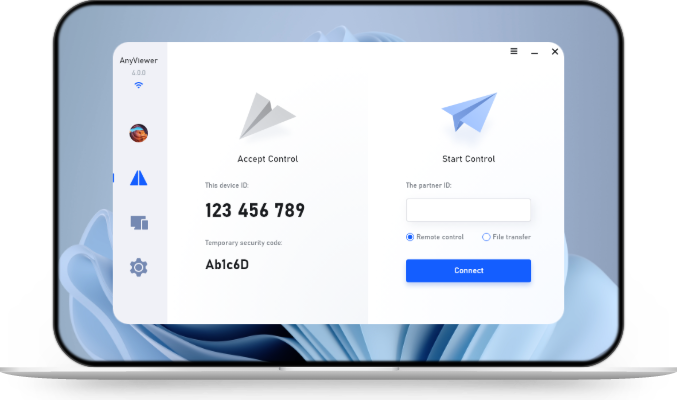
While native multi-user accounts are ideal, the compounding monthly seat fees of standard SEO platforms frequently cause severe budget strain. Many agencies turn to a highly effective tactical workaround: utilizing a secure, high-performance remote desktop tool like AnyViewer to coordinate access.
Rather than buying 10 separate user licenses for an enterprise SEO tool, which can add thousands to your operational overhead, your team can deploy a dedicated workspace computer equipped with the master SEO account. Remote teams, off-site copywriters, and specialists can securely log into that environment via AnyViewer to perform their analytical tasks.
AnyViewer provides distinct advantages for collaborative marketing environments:
- Strict Security Controls: Features such as two-factor authentication, privacy mode, and end-to-end ECC encryption help ensure your core SEO account credentials remain highly secure.
- Smooth Asynchronous Workflows: Team members can access data, configure reports, and initiate site crawls without triggering automated multi-factor authentication locks from varying geographic IP locations.
- Radical Cost Mitigation: It effectively transforms an expensive, seat-capped system into an accessible internal utility, allowing budget-conscious operations to scale capacity without scaling tool costs.
Conclusion
Ultimately, navigating an SEO tool comparison for multiple users highlights that the best platform depends entirely on your team's specific workflow and budget. While Semrush and Ahrefs provide unmatched data depth, and specialized tools like Surfer SEO excel at content creation, the compounding cost of adding extra user seats can quickly drain your agency's margins.
To mitigate these software costs, using a secure remote desktop tool like AnyViewer offers an excellent tactical workaround. By setting up a central workstation with your master SEO accounts, team members can access top-tier analytical platforms asynchronously. This eliminates credential-sharing risks and authentication lockouts, allowing your marketing department to scale efficiently without skyrocketing software overhead.



 as a preferred
source on Google
as a preferred
source on Google