
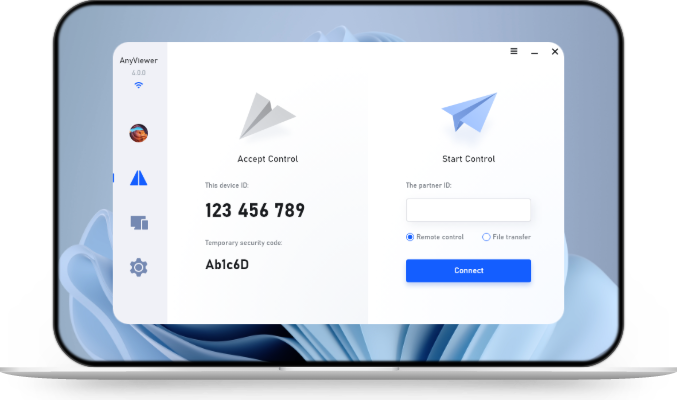
How to Connect Chromebook to PC [Complete Guide]
Connecting a Chromebook to a PC opens up new possibilities for productivity, remote work, and seamless file sharing. This guide covers step-by-step methods, including remote desktop access, file transfer, and screen mirroring, ensuring you can control your Windows PC from your Chromebook efficiently.

By Ellie / Updated on September 11, 2025


Introduction: Why Connecting Chromebook to PC Matters
Remote access is no longer a luxury, it’s a requirement for modern digital workflows. Chromebooks are popular in educational and corporate environments because they are affordable, lightweight, and simple to use. However, many applications still rely on Windows or macOS. Without knowing how to connect a Chromebook to a PC, you may face limitations when it comes to software availability, file access, or system performance.
For example, students often need Windows-specific software for assignments or labs. Professionals working remotely might require access to office computers or servers to run specialized applications. Even gamers might want to stream high-performance PC games onto their Chromebook. By learning how to connect Chromebook to Windows PC, you bridge the gap between portability and computing power, ensuring that you can access the right applications and data anytime, anywhere.
Additionally, connecting devices promotes collaboration. With remote desktop tools, you can work on shared files, troubleshoot issues for colleagues, or present projects without being physically present. Security is also a critical consideration, as modern remote tools allow encryption, multi-factor authentication, and other protections, ensuring that sensitive data remains safe even while accessed remotely.
Understanding Chromebook and PC Compatibility
Before attempting a connection, it’s important to understand the differences between Chrome OS and Windows PCs. Chrome OS is designed to run web apps and Android apps and relies heavily on cloud storage. PCs, on the other hand, can run full desktop applications locally and support complex software environments. Understanding these differences helps determine the best way to connect and troubleshoot common issues when figuring out how to connect a PC to a Chromebook.
Differences Between Chrome OS and Windows
Chrome OS prioritizes speed, simplicity, and cloud integration, but it lacks native support for many Windows applications. In contrast, Windows PCs offer full desktop environments, making them compatible with a wide variety of software, including professional design tools, accounting software, and gaming platforms. This is why many users seek solutions like Chrome Remote Desktop or third-party tools to learn how to connect Chromebook to PC effectively.
Network Requirements for Seamless Connection
A smooth remote desktop experience requires a reliable network. Wi-Fi speed, latency, and stability play a crucial role. For example, streaming a PC screen to a Chromebook can be frustrating over a weak network. Using 5 GHz Wi-Fi or a wired Ethernet connection can significantly improve performance. Firewalls and antivirus programs should also be configured to allow remote desktop protocols, while VPNs can add an extra layer of security if accessing sensitive systems remotely.
Top Methods to Connect Chromebook to PC
There are several ways to connect a Chromebook to a PC. Each method has advantages and trade-offs, depending on your needs and whether you want to learn how to connect Chromebook to Windows PC or vice versa.
Method 1: Chrome Remote Desktop – The Easiest Option
Chrome Remote Desktop is one of the most popular ways to connect Chromebook to PC. It’s free, secure, and perfect for beginners.
Step-by-Step Setup:
Step 1. Install Chrome Remote Desktop on Your PC:
Step 2. Open Chrome on your Windows PC.
Step 3. Go to Chrome Remote Desktop and click Set up remote access.
Step 4. Download the extension and follow the prompts.
Secure Your PC:
Step 1. Create a strong PIN (6 digits or more).
Step 2. Keep your PC on and connected to the internet whenever remote access is needed.
Access from Chromebook:
Step 1. Open Chrome on your Chromebook and visit the Chrome Remote Desktop website.
Step 2. Log in with the same Google account used on your PC.
Step 3. Select your PC and enter your PIN to start controlling your desktop.
Pros:
- Free and secure.
- Easy to set up with a Google account.
Cons:
- Requires a stable internet connection.
- High-end apps may experience minor lag.
Method 2: Microsoft Remote Desktop – For Professional Use
Microsoft Remote Desktop is ideal if you want a more professional or business-oriented remote connection.
Setup Steps:
Step 1. Enable Remote Desktop on Your PC:
Step 2. Go to Settings > System > Remote Desktop on Windows.
Step 3. Toggle Enable Remote Desktop on and note your PC name.
Step 4. Install Microsoft Remote Desktop on Chromebook:
Step 5. Open the Google Play Store on your Chromebook.
Step 6. Download Microsoft Remote Desktop.
Connect:
Step 1. Open the app, click Add PC, and enter your PC name.
Step 2. Enter your Windows login credentials.
Step 3. Connect to remotely access your Windows desktop.
Pros:
- Stable connection suitable for work and business apps.
- Supports multiple sessions.
Cons:
- Requires Windows Pro or Enterprise version.
- Slightly more complex setup than Chrome Remote Desktop.
Method 3: File Sharing Between Chromebook and PC
Sometimes, you don’t need full remote access, just file transfer.
Options Include:
- Google Drive: Upload files on PC and access them on Chromebook in seconds.
- USB or External Drives: Transfer files using external storage.
- Network Sharing: Enable folder sharing on Windows, then access shared folders via Chromebook.
Tip: Always organize your shared folders for easy access. Use cloud storage for files you need frequent access to.
Method 4: Screen Mirroring for Chromebook to PC
Screen mirroring is great for presentations, streaming media, or viewing PC content on your Chromebook. Tools like VNC Viewer or TeamViewer make this process simple, helping you master how to connect Chromebook to PC for display purposes.
Tools:
- VNC Viewer: Install VNC server on Windows and VNC Viewer on Chromebook. Connect using your server IP.
- TeamViewer: Free, secure, and works across platforms for seamless screen sharing.
Pros:
- High-quality visuals.
- Perfect for presentations or remote teaching.
Cons:
- Slight latency may occur depending on internet speed.
Security Tips for Chromebook Remote Access
Ensuring strong security is crucial whenever you connect your Chromebook to a PC or other devices remotely. Remote access exposes your systems to potential vulnerabilities, so taking proactive measures can save you from unauthorized access, data breaches, and other cyber threats. Here’s how to strengthen your security:
- Use Strong, Unique Passwords:
Avoid common passwords or reusing the same password across multiple accounts. Use a combination of upper- and lowercase letters, numbers, and symbols. Consider a reliable password manager to generate and store complex passwords safely.
- Enable Two-Factor Authentication (2FA):
Two-factor authentication adds an extra layer of security by requiring a second form of verification, such as a code sent to your phone or an authentication app. Even if someone obtains your password, they won’t be able to access your account without the second factor.
- Keep Remote Desktop Tools Updated:
Regularly update all remote access software and Chromebook system updates. Updates patch vulnerabilities and improve security protocols, ensuring that attackers cannot exploit outdated software.
- Manage User Access Carefully:
Limit remote access to trusted users only. Create individual accounts with role-based permissions to prevent unauthorized access. Remove access for users who no longer need it.
- Enable Device-Level Security Features:
Use Chromebook security features like screen locks, automatic updates, and verified boot to enhance device security. For PCs, ensure firewalls and antivirus software are active and up to date.
By implementing these practices, you can safely access your Windows PC or other devices from your Chromebook without compromising your privacy or sensitive information. Security isn’t just about protection, it’s about peace of mind while working remotely.
Bonus Tip: Best Free Remote Desktop Software for PC
While Chrome Remote Desktop is simple and effective, AnyViewer offers advanced features like ultra HD screen control, secure file transfers, and multi-device management. Although it does not currently support Chromebooks, it remains an excellent solution in mixed-device setups, complementing tools used to learn how to connect Chromebook to Windows PC.
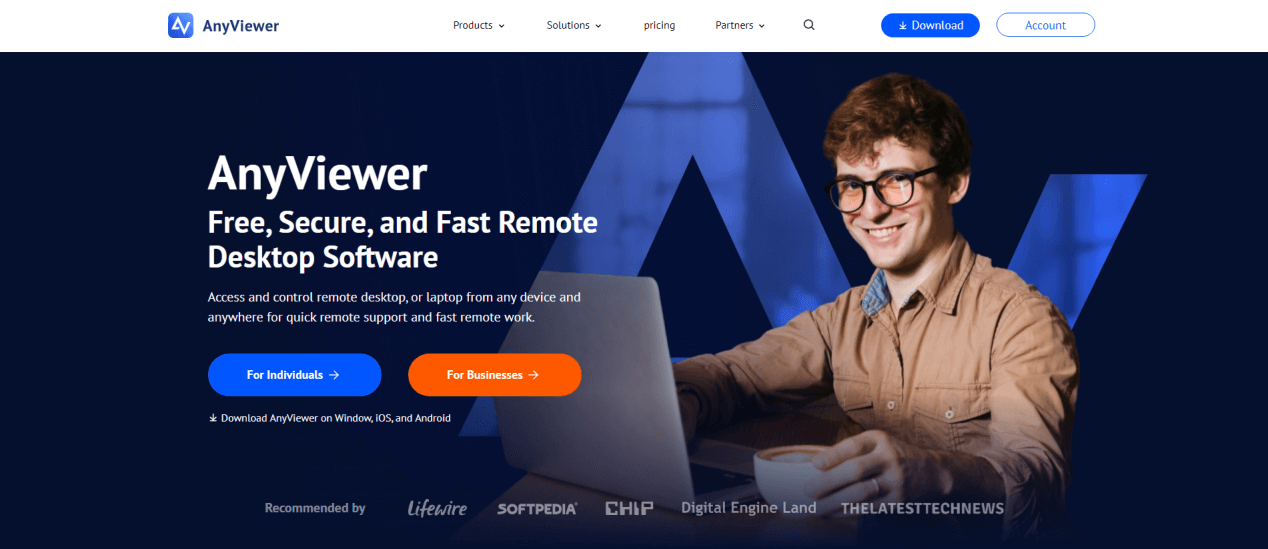
Why AnyViewer Stands Out:
- 1. Ultra HD Screen Control: AnyViewer provides high-definition remote sessions, ensuring that graphics, videos, and detailed interfaces display clearly. This makes it ideal for tasks that require precision, such as design work, video editing, or technical support.
- 2. File Transfer Capabilities: Unlike some basic remote tools, AnyViewer allows seamless file transfer between devices. You can quickly move documents, images, or large files between your PC and mobile devices without relying on cloud storage or email attachments.
- 3. Multi-Device Management: AnyViewer supports managing multiple devices from a single account. Professionals who need to access several PCs or mobile devices simultaneously can do so without juggling multiple apps or logins.
- 4. Cross-Platform Compatibility: AnyViewer works on Windows, macOS, Android, and iOS, making it an excellent choice for users who operate across different devices and operating systems. This ensures a consistent experience regardless of the device you are using.
- 5. Security Features: AnyViewer prioritizes security with end-to-end encryption, secure login, and optional two-factor authentication. You can remotely access devices knowing that your sessions are protected from unauthorized access.
- 6. Free Version Advantages: The free version of AnyViewer offers robust features without requiring a subscription. Users can enjoy high-quality remote access, file transfers, and cross-platform support at no cost, making it a powerful alternative for both personal and professional use.
Note on Chromebook Users:
Although AnyViewer does not currently support Chromebooks directly, it remains an excellent solution for users working in mixed-device environments. For instance, if you have a Windows PC, Mac, or Android device alongside a Chromebook, AnyViewer can still serve as your primary tool for cross-platform remote control. Combining it with Chromebook-compatible solutions like Chrome Remote Desktop allows users to maximize connectivity and workflow efficiency.
In Summary:
AnyViewer bridges the gap between free basic remote desktop tools and premium solutions, offering features like ultra HD display, secure file transfers, and multi-device management, all without costing a dime. For professionals who rely on multiple devices, it’s one of the best free remote desktop options available today.
Conclusion
Learning how to connect Chromebook to PCis essential for productivity, collaboration, and flexibility in today’s digital environment. By understanding compatibility, ensuring network reliability, optimizing performance, and prioritizing security, you can enjoy seamless and secure connections between your devices.
FAQs
Q1: Can I remote control my Chromebook from Android?
Yes. Apps like Chrome Remote Desktop allow you to remote control your Chromebook from an Android device, accessing apps, files, and settings remotely.
Q2: How do I fix latency issues while using Chromebook remote desktop to Windows?
Reduce display resolution, close background apps, or use a wired connection to improve performance.
Q3: Is AnyViewer compatible with Chromebook?
Not yet. AnyViewer currently supports Windows, macOS, Android, and iOS.
Q4: Can I use cloud storage instead of remote desktop?
Yes. Cloud storage like Google Drive, OneDrive, or Dropbox allows access to files without remote desktop connections.
Q5: Is Chrome Remote Desktop secure?
Yes. It encrypts all data and requires Google account authentication to access devices.
Q6: What are alternatives to Chrome Remote Desktop?
TeamViewer, AnyDesk, and Splashtop provide advanced features, cross-platform support, and enterprise-level security.


 as a preferred
source on Google
as a preferred
source on Google