
How to Fix "Can Not Play a Disabled Audio Source" Error
Learn how to quickly fix the "Can not play a disabled audio source" error across multiple platforms. This guide covers root causes and step-by-step solutions for Unity developers, web browsers, Windows OS, and OBS Studio, including remote troubleshooting tips.

By Ellie / Updated on April 21, 2026


In the world of software development, gaming, and digital content creation, encountering the can not play a disabled audio source error is a common yet frustrating roadblock. Whether you are a Unity developer debugging a new scene, a web enthusiast grappling with browser policies, or a streamer using OBS, this error signifies a fundamental state conflict: the system is attempting to trigger a sound from a component that is currently inactive, hidden, or restricted.
This comprehensive guide will break down the root causes of this error and provide step-by-step solutions for Unity, Web Browsers, Windows OS, and OBS Studio.
1. The Core Logic: Why Does This Error Occur?
Every digital audio pipeline follows a specific sequence:
Initialize Context > Load Asset > Enable Component > Execute Play Command.
When the "Can not play a disabled audio source" message triggers, the sequence fails at the final step because the "Enable Component" phase is either skipped or overridden. Common reasons include:
- Hierarchy Conflicts: The parent object is disabled, automatically deactivating all child components.
- Logical Nulls: The script is referencing a component that hasn't been instantiated or enabled in the inspector.
- Security Restrictions: Modern operating systems and browsers "disable" audio sources to save battery or protect user privacy unless explicit permission is granted.
2. Unity Development: Fixing AudioSource Component Errors
This is the most frequent scenario for this error. If you see the warning Unity log can not play a disabled audio source, it means an "AudioSource" must be attached to an active "GameObject" to function.
Common Causes
- SetActive Conflict: You called "gameObject.SetActive(false)" on the object and subsequently tried to call ".Play()".
- Disabled Component: The "AudioSource" checkbox in the Inspector is unchecked.
- Object Pooling Issues: When retrieving an object from a pool, the audio component state might remain "Disabled" from its previous use.
The Solution: Defensive Programming
To resolve can not play a disabled audio source Unity issues, use a check to ensure the source is ready:
|
"""csharp public void PlayAudioSafely(AudioSource source) { if (source == null) return;
// Check if the GameObject and the Component are active if (source.gameObject.activeInHierarchy && source.enabled) { source.Play(); } else { // Log a warning and re-enable if necessary Debug.LogWarning("Attempted to play a disabled source. Re-enabling..."); source.gameObject.SetActive(true); source.enabled = true; source.Play(); } } """ |
3. Web Development: Navigating Browser Autoplay
In JavaScript and HTML5 development, browsers often "disable" the "AudioContext" by default.
The Problem: Autoplay Blocking
Modern browsers (Chrome, Safari, Edge) block audio from playing automatically to prevent intrusive ads. If a script tries to play audio before a user interacts with the page, the audio source is effectively "disabled."
The Solution: User Interaction Trigger
You must "resume" the audio context following a user gesture (like a click or tap):
|
"""javascript const audioContext = new (window.AudioContext || window.webkitAudioContext)();
document.getElementById('start-btn').addEventListener('click', () => { // Ensure the disabled/suspended context is resumed if (audioContext.state === 'suspended') { audioContext.resume(); } myAudioSource.play(); }); """ |
4. Windows OS: Resolving Hardware-Level Disabling
If you encounter this error while running a game or a remote desktop application, the issue is likely within the Windows Sound Settings.
Troubleshooting Steps:
Step 1. Check Sound Control Panel:
- Right-click the volume icon in the taskbar > Sound Settings.
- Navigate to More sound settings.
- In the Playback tab, right-click any space and check "Show Disabled Devices."
- If your speakers or headset are greyed out, right-click them and select Enable.
Step 2. Privacy Settings:
- Go to Settings > Privacy & Security > Microphone.
- Ensure "Allow apps to access your microphone" is toggled On. Some game engines disable the entire audio output engine if input permissions are blocked.
5. OBS & Streaming: Restoring Missing Audio Tracks
Streamers often see the "Disabled Source" notification in OBS logs when a specific scene audio fails to broadcast.
Common Causes
- Hidden Sources: In OBS, clicking the "Eye" icon to hide a source often mutes/disables its audio as well.
- Global Overrides: If a Desktop Audio device is set to "Disabled" in the global Settings > Audio menu, individual scene sources will fail.
The Fix
Step 1. Ensure the source is visible in the Sources dock.
Step 2. Open Advanced Audio Properties (the gear icon in the Mixer) and verify that the correct tracks (1, 2, etc.) are checked and the volume is not set to $-infty$.
6. Remote Troubleshooting: Fixing Audio Errors with AnyViewer
Sometimes, the "Can not play a disabled audio source" error doesn't happen on your own machine, but on a client's computer or a remote workstation. When you can't be there physically to toggle settings, using a robust remote desktop tool like AnyViewer is the most efficient way to diagnose and fix the issue.
Why Use AnyViewer for Audio Troubleshooting?
Unlike basic remote tools that often struggle with audio pass-through, AnyViewer provides high-stability access to the remote system's back-end settings, allowing you to:
- Access Hidden Settings: Remotely open the Sound Control Panel to re-enable "Greyed-out" hardware devices.
- Sync Remote Audio: AnyViewer supports high-quality audio transmission, ensuring you can hear exactly what the remote system is (or isn't) playing.
- Driver Management: If the audio source is disabled due to a corrupted driver, you can use AnyViewer’s file transfer feature to send the latest drivers and install them remotely.
Quick Steps to Fix Audio Remotely:
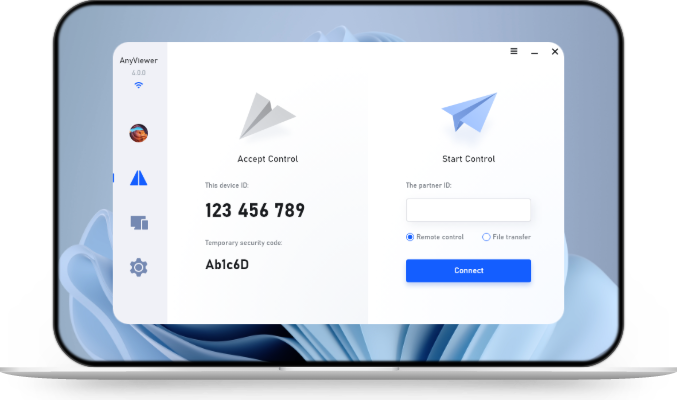
Step 1. Establish a Connection: Open AnyViewer on both devices and connect to the remote PC using the device ID and security code.
Step 2. Verify Remote Sound: Once connected, click on the "Operation" tab in the top menu and ensure "Remote Sound" is enabled so you can monitor the error in real-time.
Step 3. Execute Fixes: Follow the "Windows OS" troubleshooting steps mentioned in Section 4 (Checking the Sound Control Panel and Privacy Settings) directly on the remote interface.
Conclusion
The "Can not play a disabled audio source" error is essentially a state-management issue. For developers, the solution lies in ensuring the "activeInHierarchy" status is verified before execution. For general users, it is a matter of re-enabling hardware in the OS settings. By following the "Enable before Play" rule, you can ensure a seamless audio experience across all platforms.



 as a preferred
source on Google
as a preferred
source on Google