
Can I Work Remotely in Another Country?
Thinking about taking your remote job overseas? This article explores the key factors of working remotely in another country, from visa and tax rules to cultural and lifestyle tips. Learn how to stay secure, productive, and connected anywhere in the world with the help of AnyViewer.

By Ellie / Updated on November 4, 2025


Can I Work Remotely in Another Country?
Working remotely in another country sounds like the dream, sipping coffee at a beach café in Bali while getting your work done or coding from a cabin in the Swiss Alps. But before you book that ticket, there are a few important things you need to understand about remote work. Can I work remotely in another country? The short answer is yes, but it’s not as simple as opening your laptop anywhere with Wi-Fi. It involves navigating visas, taxes, employer permissions, and even time zone differences. Let’s explore everything you need to know before packing your bags and taking your job global.

Essential Considerations for Working Remotely Abroad
Working remotely overseas isn’t just about finding a beautiful destination; it’s about ensuring stability, productivity, and long-term success. From choosing the right country and understanding tax obligations to managing technology, culture, and lifestyle balance, each detail plays a part in shaping your experience as a digital nomad.
If you’re asking yourself, "Can I work remotely in another country without issues?", this section will help you prepare for every practical aspect of the move.
Choosing the Right Country for Remote Work
Picking the perfect country to work remotely is a blend of practicality and personal preference. Sure, the idea of living in Paris or Bali might sound appealing, but you also need to consider visa availability, internet reliability, cost of living, and safety.
Here are some key factors to evaluate before choosing:
- Visa policies: Does the country offer a digital nomad visa or allow remote work on a tourist visa?
- Time zones: How will your working hours align with your employer’s or clients’?
- Cost of living: Can you comfortably afford housing, food, and transportation?
- Healthcare and safety: Is there access to quality healthcare and a safe environment?
- Community: Are there other remote workers or expats in the area?
Several countries have become hotspots for digital nomads due to their friendly policies and strong infrastructure. Popular examples include Portugal, Estonia, Croatia, Thailand, Mexico, and Costa Rica. These countries often provide visas that allow remote workers to live and work legally for 6–24 months, sometimes renewable.
If you’ve ever wondered, "Can I work remotely in a different country while keeping my current job?", choosing the right destination is the first big decision. Popular options include Portugal, Estonia, Croatia, Thailand, Mexico, and Costa Rica, nations that welcome digital nomads with flexible visa policies.
Managing Taxes While Working Abroad
Taxes are the trickiest part of working remotely in another country. The moment you earn income, both your home country and your host country might want a piece of it. So, how do you avoid paying twice?
First, determine your tax residency. Most countries consider you a tax resident if you spend more than 183 days in a year there. Once you become a resident, you might owe taxes on your global income, even if your employer is located abroad.
Many professionals asking, "Can I work from home in another country without paying double taxes?", will be relieved to know that many nations have Double Taxation Agreements (DTAs) to help you avoid that exact issue.
You’ll also need to consider social security contributions, which differ by country. If you’re a freelancer or self-employed, you may need to pay taxes quarterly and possibly register for a tax ID locally.
Hiring an international tax advisor is a smart move. They can help you understand filing requirements, deductions, and how to reduce your tax burden legally. It’s also a good idea to maintain detailed records of your income, travel dates, and expenses.
Finally, don’t forget about your home country obligations. Even if you’re working abroad, you may still need to file annual returns or report foreign bank accounts, depending on your citizenship and residency status.
Technology and Connectivity for Remote Workers
Your ability to work remotely depends heavily on one thing: reliable technology. Without a strong internet connection and the right tools, your productivity can plummet fast.
Start by ensuring your chosen destination has fast and stable internet. In some rural or tropical locations, speeds can vary dramatically, so research average connection speeds or ask other digital nomads for firsthand advice.
You’ll also need a solid set of remote work tools:
- Remote access software like AnyViewer.
- Communication platforms like Slack, Zoom, or Microsoft Teams.
- Project management tools like Trello, Asana, or ClickUp.
- Cloud storage through Google Drive, Dropbox, or OneDrive for easy file access.
- VPN services to protect your data and access region-restricted websites securely.
Data security is crucial, especially if you handle sensitive client or company information. Always use strong passwords, enable two-factor authentication, and avoid public Wi-Fi for confidential work. Consider carrying a portable router or hotspot device for emergencies.
Lastly, don’t underestimate the power of good equipment. A lightweight laptop, noise-canceling headphones, and an ergonomic setup can make long work hours much more comfortable. Invest in a power bank, travel adapter, and backup drive to ensure you can work smoothly, no matter where you are.
Cultural and Communication Challenges
One of the biggest adjustments when working remotely in another country is learning how to navigate new cultural norms and communication styles. What might seem like a casual chat in your home country could be perceived differently elsewhere. Each culture has its own rhythm, tone, and etiquette when it comes to professional interactions.
For instance, Americans often value directness and speed in communication, while people in Japan or Germany may prefer a more formal and structured approach. When working across cultures, it’s important to develop cultural intelligence, the ability to adapt your communication style to fit the context.
Time zones can also become a major hurdle. If your employer or clients are based in another continent, you might find yourself taking late-night meetings or sending messages early in the morning. The key is to find a balance that works for everyone involved. Use tools like World Time Buddy or Google Calendar to schedule meetings fairly and avoid misunderstandings.
Another important aspect is language. Even if you’re fluent in English, not everyone you work with will be. Learning a few local phrases shows respect and can help you build stronger relationships. Plus, it’s a great way to connect with the community and make daily life easier.
Lastly, remember that isolation can be a challenge. When you’re thousands of miles away from your home office, it’s easy to feel disconnected. Joining local coworking spaces, digital nomad meetups, or expat communities can help you find your tribe and maintain that sense of belonging.
Financial Planning Before Moving Abroad
Before you pack your bags, you need a solid financial plan. Living abroad can be exciting, but it also introduces new costs and financial challenges you might not expect.
Start by creating a detailed budget that includes accommodation, food, transportation, insurance, and entertainment. Research your destination’s cost of living through websites like Numbeo or Expatistan to estimate expenses accurately.
You’ll also want to consider banking. Opening a local bank account might make daily transactions easier, but international banking services like Wise, Revolut, or N26 can help you manage multiple currencies and avoid high transfer fees.
Another key step is understanding currency exchange rates. Exchange fluctuations can affect your income if you’re paid in a different currency. Consider keeping savings in both your home and host currencies to hedge against financial swings.
It’s also essential to set aside an emergency fund. Unexpected events, like medical expenses, visa issues, or sudden travel needs, can arise anytime. A safety net of three to six months’ worth of living expenses is a must.
If you’re self-employed, make sure to manage your invoices and payments efficiently. Tools like Payoneer or Deel are great for freelancers and contractors working across borders. Finally, speak to a financial advisor who specializes in expat or international finances. They can guide you on taxes, investments, and retirement plans while you’re living abroad.
Health Insurance and Safety Concerns
Healthcare is one of the most overlooked aspects of remote work abroad. While some destinations have excellent public healthcare systems, others may require private insurance to cover medical costs.
Before you go, invest in international health insurance that covers emergency care, hospitalization, and evacuation if necessary. Providers like Cigna Global, Allianz Care, and SafetyWing offer flexible plans for remote workers and travelers.
Another consideration is safety. Research the country’s safety index, crime rates, and local laws. Register with your home country’s embassy so they can contact you in case of an emergency. Always have copies of your important documents, passport, visa, insurance policy, stored securely both online and offline.
For long-term stays, find out if you’re required to register with local authorities or obtain a residence card. In some countries, failing to do so can result in fines or deportation.
Staying healthy abroad also involves mental well-being. Loneliness, culture shock, and burnout are real challenges for digital nomads. Build a balanced routine that includes social activities, exercise, and self-care. Remember, your health is your most valuable asset, without it, remote work freedom loses its shine.
Balancing Work and Life as a Digital Nomad
Working remotely abroad might sound like a constant vacation, but balancing work and personal life can actually be harder than it looks. With no clear separation between "home" and "office," burnout can creep in quickly.
To stay productive, create a structured routine. Start your day with a consistent morning ritual, set working hours, and define clear boundaries between work and leisure. Use productivity techniques like the Pomodoro method or time blocking to stay on track.
One of the biggest perks of remote work is flexibility, so use it wisely. Plan your schedule around exploration. Maybe work early mornings and enjoy your afternoons exploring your new city, or take longer breaks for hikes or cultural experiences.
But don’t forget to unplug. It’s tempting to work around the clock when your laptop is always nearby, but overworking defeats the purpose of the digital nomad lifestyle. Prioritize rest and make time for fun, friends, and self-care.
It also helps to create a workspace that keeps you inspired. Whether it’s a quiet café, a beachfront coworking hub, or your cozy Airbnb balcony, find a spot that helps you focus. Small touches like noise-canceling headphones, good lighting, and ergonomic posture can make a big difference.
Most importantly, embrace the journey. Working remotely abroad isn’t just about earning a living, it’s about living fully. Every day brings new lessons, connections, and experiences that can change how you see the world and yourself.
Remote Work Etiquette Across Cultures
When you work remotely in another country, understanding and adapting to cultural etiquette becomes just as important as meeting deadlines. Every country has its unwritten rules when it comes to business behavior, communication style, and professionalism, and not knowing them can create awkward situations or even harm your professional reputation.
For example, in the U.S., people often jump straight into business discussions, while in Latin America or the Middle East, it’s common to start with a personal conversation before talking about work. In Japan, politeness and formality are crucial, while in Northern Europe, directness and efficiency are highly valued. Learning and respecting these cultural norms helps you connect better with colleagues, clients, and partners around the world.
When communicating online, pay attention to tone and timing. Avoid sending late-night messages without checking time zones, and use respectful language in emails or chats. Emojis and humor might be normal for some teams but inappropriate in others. When in doubt, observe how your colleagues communicate and mirror their style.
It’s also good etiquette to be transparent about your availability. If you’re living in a different time zone, clearly indicate your working hours and response times. This prevents misunderstandings and helps your team plan collaboration more effectively.
Lastly, remember to show appreciation. A simple "thank you" or recognition of a teammate’s effort goes a long way in any culture. Respect local holidays, traditions, and customs, and be curious rather than judgmental. The more open-minded you are, the smoother your cross-cultural collaboration will be, and the richer your experience abroad becomes.
Benefits of Working Remotely Abroad
The perks of working remotely from another country go far beyond just changing your office view. It’s a lifestyle that offers freedom, flexibility, and growth, both professionally and personally.
The first and most obvious benefit is location freedom. You’re no longer tied to one place. You can spend a few months in Europe, escape to Southeast Asia during winter, or explore Latin America while keeping your career intact. This freedom to choose your environment can boost happiness, creativity, and work satisfaction.
Financially, remote work abroad can be advantageous. Many digital nomads choose destinations with lower costs of living, allowing them to save more or enjoy a higher standard of living on the same salary. Living in countries like Thailand, Mexico, or Portugal can mean cheaper housing, better food, and a vibrant lifestyle at a fraction of the cost compared to big Western cities.
Professionally, working remotely abroad enhances skills like adaptability, communication, and cultural awareness. You learn to work across time zones, deal with diverse teams, and think globally, all valuable traits in today’s interconnected job market.
On a personal level, living abroad helps you grow in confidence and independence. You learn how to navigate new systems, meet people from all walks of life, and expand your worldview. Many remote workers find that this lifestyle improves their creativity, problem-solving abilities, and overall mental well-being.
Finally, there’s the sense of adventure. Imagine finishing a work call, then heading out to explore ancient ruins, hike a volcano, or surf at sunset. Working remotely abroad gives you the chance to live life on your own terms while continuing your career. It’s the perfect blend of work and wanderlust.
Challenges of Remote Work in Another Country
As exciting as remote work abroad sounds, it’s not without its hurdles. Behind the Instagram-worthy views, there are real challenges that can test your patience, discipline, and adaptability.
The first major challenge is legal and visa compliance. Many remote workers unknowingly work illegally by using tourist visas. Immigration authorities are increasingly aware of this trend, and violations can lead to fines or bans. Always research and secure the right visa for your situation.
Next comes time zone fatigue. If your team operates on the other side of the world, you may find yourself working odd hours, early mornings, or late nights, to attend meetings. Over time, this can affect your sleep, health, and social life.
Technical issues can also arise. Unreliable internet, power outages, or restricted websites can disrupt your workflow. Having backup options like portable Wi-Fi, data SIM cards, or coworking memberships can save your workday.
Then there’s emotional isolation. Working in new places constantly can be thrilling, but lonely too. Without a steady social circle or support system, remote workers sometimes experience burnout or homesickness. Building connections through expat communities or online groups can help combat this.
Finally, maintaining productivity while surrounded by travel temptations can be tough. It’s easy to get distracted by the excitement of your surroundings. Creating routines, setting clear goals, and using productivity tools can help keep you grounded.
Despite these challenges, most remote workers agree that the rewards far outweigh the difficulties. Each challenge becomes a lesson that makes you stronger, more resourceful, and more adaptable, key skills for thriving in the modern workforce.
AnyViewer: Your Trusted Companion for Working Remotely Abroad
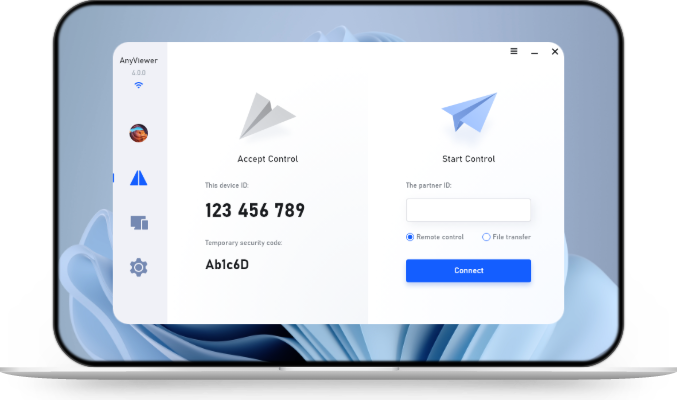
When you’re working from another country, having a reliable remote access tool can make all the difference between seamless productivity and constant frustration. AnyViewer is the perfect solution for remote professionals and digital nomads who need to securely access and manage their computers from anywhere in the world.
With AnyViewer, you can connect to your office desktop or home PC in seconds, no matter where you are. Its high-speed global servers ensure smooth, low-latency performance, even across continents, so you can transfer files, troubleshoot systems, or collaborate with colleagues without interruption.
Security is a top priority when working internationally, and AnyViewer delivers robust protection through end-to-end ECC-256 encryption, two-factor authentication, and privacy mode to safeguard your data during every session. Whether you’re handling confidential business documents or sensitive client information, you can trust that your connection remains private and secure.
What makes AnyViewer ideal for remote work abroad is its cross-platform remote desktop compatibility. You can easily control your Windows PC or MacBook from another computer, iPhone, iPad, or Android device. This flexibility allows you to stay productive whether you’re working from a coworking space in Lisbon or a coffee shop in Chiang Mai.
Additional features like file transfer, multi-monitor support, and unattended remote access make AnyViewer not just a remote desktop tool, but a complete productivity hub for global workers. Plus, its intuitive interface makes setup effortless, even for non-technical users.
Whether you’re managing a business remotely, providing remote IT support services, or simply staying connected to your personal files while traveling, AnyViewer ensures you have full control over your work environment wherever your journey takes you.
Conclusion
So, can you work remotely in another country? Absolutely, but it takes planning, preparation, and a bit of courage. With the right visa, solid financial plan, reliable tech setup, and awareness of cultural nuances, you can build a career that lets you see the world while earning a living.
With the help of secure and efficient tools like AnyViewer, managing your work from anywhere becomes effortless. You can stay connected to your home office, collaborate with global teams, and maintain productivity without compromising security or convenience.
Ultimately, working remotely overseas isn’t just about changing where you work, it’s about transforming how you work and live. It offers the freedom to explore new places, experience different cultures, and grow both personally and professionally. So, if you’ve been dreaming of taking your career global, there’s never been a better time to start your journey. Your laptop truly can be your passport to a world of opportunity.


 as a preferred
source on Google
as a preferred
source on Google