
2026 Guide: Remote Desktop Chromebook to Windows
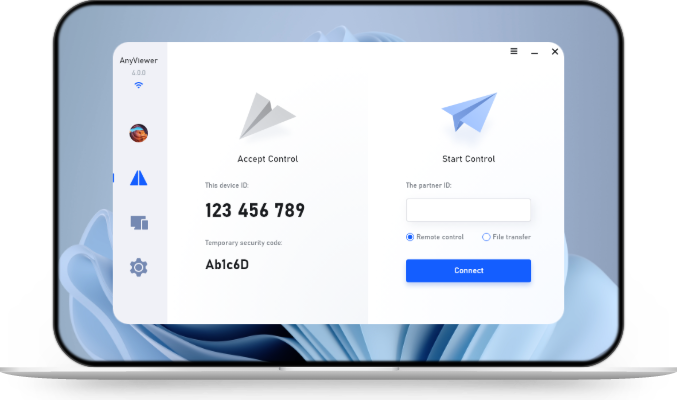
This guide shows how to remote control a Windows PC from a Chromebook. It explains how remote desktop works, the best tools like Chrome Remote Desktop and TeamViewer, and tips for easy setup and secure access.

By Ellie / Updated on December 26, 2025


Introduction: Why Remote Access Matters in 2025
In today's fast-paced digital world, the ability to remotely control your devices isn't just a convenience; it's essential. Whether you're a student accessing assignments, a professional managing workstations, or a gamer streaming from home, remote desktop tools bridge the gap between devices. Specifically, remote desktop Chromebook to Windows opens up a realm of flexibility, ensuring productivity, collaboration, and security without being tied to one physical device.
In this guide, we'll explore how to perform remote desktop from Chromebook to Windows, providing step-by-step instructions, expert tips, and troubleshooting advice.
What Is Remote Desktop and How Does It Work on Chromebook?
Remote desktop software allows a device to access another computer over the internet, effectively taking control as if you were sitting in front of it. On Chromebooks, this can seem tricky because Chrome OS is different from Windows, but specialized software makes Chromebook remote desktop to Windows seamless.
Differences Between Chromebook and Windows OS
Chromebooks are lightweight, cloud-focused devices optimized for web apps, while Windows PCs offer a full desktop experience. These differences affect file systems, app compatibility, and user interface, but remote desktop from Chromebook to Windows tools bridge this gap effortlessly.
How Remote Desktop Bridges the Gap
By transmitting screen data and input commands between the two devices, remote desktop Chromebook to Windows solutions allow Chromebook users to open Windows apps, manage files, and even run graphics-intensive tasks remotely. Features like clipboard sharing, multi-monitor support, and keyboard mapping make the experience feel native.
Benefits of Using Remote Desktop from Chromebook to Windows
Increased Productivity
Using a remote desktop from your Chromebook allows you to access your full Windows environment without the need to constantly switch devices. Whether it's Microsoft Office for document editing, Adobe Creative Suite for design work, or specialized enterprise applications, you can run them seamlessly on your Chromebook. This eliminates downtime caused by switching between devices, reduces context switching, and ensures that your workflow remains smooth and uninterrupted. For teams, this also means faster collaboration and quicker access to shared resources hosted on Windows machines.
Flexibility and Mobility
One of the greatest advantages of remote desktop access is mobility. With just a Chromebook and an internet connection, you can work from virtually anywhere—home, coffee shops, co-working spaces, or even while traveling. There's no need to carry a heavy laptop or be tied to your office setup. Remote desktop solutions allow you to maintain a consistent work environment with all your files, apps, and settings intact, making flexible schedules and remote work far more practical.
Secure Access Anywhere
Security is a top concern when accessing your Windows machine remotely, especially over public networks. Modern remote desktop solutions provide robust security measures such as end-to-end encryption, multi-factor authentication, and privacy modes that mask sensitive information on the screen. This ensures that your data and login credentials remain safe, protecting both personal and enterprise-level information. Many platforms also offer activity logging and permission controls, giving you additional peace of mind when accessing confidential files from a distance.
Requirements for Remote Desktop on Chromebook
Hardware Requirements
- Chromebook: To ensure smooth remote desktop performance, your Chromebook should have at least 4GB of RAM and a modern Intel or ARM processor. Devices with higher RAM (8GB+) will provide a more responsive experience, especially when running multiple applications simultaneously.
- Windows PC: The host Windows computer should have adequate processing power and memory to handle remote connections efficiently. A minimum of 8GB RAM and a multi-core CPU is recommended for seamless multitasking, while higher specs will enhance performance for graphics-intensive or enterprise software.
Software Requirements
- Remote Desktop Applications: Depending on your preferred solution, install Chrome Remote Desktop, TeamViewer, or AnyViewer on both your Chromebook and Windows PC. These apps allow secure and reliable remote access.
- Browser/App Updates: Ensure your Chrome browser is updated for Chrome Remote Desktop users, or that you have the latest version of TeamViewer/AnyViewer installed. Updated software helps prevent compatibility issues and improves security.
- Operating System Compatibility: Chromebooks running Chrome OS version 88 or later and Windows PCs with Windows 10/11 are typically supported by most remote desktop applications.
Network Requirements
- Internet Connection: A stable internet connection is crucial. For a smooth remote desktop experience, a minimum 5 Mbps upload/download speed is recommended. Higher speeds will reduce latency and screen lag, particularly for high-resolution displays or multimedia applications.
- VPN (Optional): For corporate environments or sensitive data access, using a VPN adds an extra layer of security. This is especially important when connecting over public or unsecured Wi-Fi networks.
Top Tools for Remote Desktop Chromebook to Windows
Google Chrome Remote Desktop
Chrome Remote Desktop is a free and easy-to-use solution that works entirely through the Chrome browser, making it perfect for casual users or anyone looking for quick access without installing heavy software. It supports both spontaneous sessions—where someone can give you temporary access—and unattended access, allowing you to connect to your Windows PC anytime. Its lightweight setup, cross-platform compatibility, and reliable performance make it a great choice for personal use or simple remote work tasks.
TeamViewer
TeamViewer is a feature-rich, professional-grade remote desktop tool ideal for business environments. It supports file transfers, multi-monitor setups, and remote printing, and includes advanced security protocols like two-factor authentication and end-to-end encryption. TeamViewer also offers options for collaboration and support, such as screen sharing, chat, and session recording. While it may be overkill for casual users, it's excellent for IT professionals or teams needing robust capabilities.
Splashtop
Splashtop is an increasingly popular solution for cross-platform remote access, known for its smooth performance, low latency, and intuitive interface. It works well for both casual users and enterprise environments, supporting high-definition audio and video streaming, file transfers, and multiple device connections. Splashtop also offers enterprise-level security features, including TLS and 256-bit AES encryption, making it a solid choice for those who need reliability and performance without complexity.
Step-by-Step Guide: Setting Up Chrome Remote Desktop
Installing Chrome Remote Desktop on Windows
Step 1. Open Chrome on your Windows PC.
Step 2. Navigate to [Chrome Remote Desktop] (https://remotedesktop.google.com/).
Step 3. Click "Set up remote access" and download the installer.
Step 4. Follow prompts to install and configure your computer.
Setting Up Chromebook Access
Step 1. Log into the same Google account on your Chromebook.
Step 2. Install the Chrome Remote Desktop extension.
Step 3. Verify access via PIN setup for secure connections.
Starting Your Remote Session
Step 1. Open the Chrome Remote Desktop app on Chromebook.
Step 2. Select your Windows PC from the device list.
Step 3. Enter the PIN to start controlling your Windows desktop remotely.
Step-by-Step Guide: Using TeamViewer for Chromebook Remote Access
Installation and Account Setup
Step 1. Install TeamViewer on both Windows PC and Chromebook (via Android app or web).
Step 2. Create an account and log in on both devices.
Configuring Unattended Access
Step 1. Set a permanent password on Windows for unattended sessions.
Step 2. Enable two-factor authentication for added security.
Optimizing Performance
- Reduce display quality for smoother performance over slower networks.
- Disable unnecessary background apps on the Windows PC.
How to Use Splashtop for Seamless Remote Desktop
Key Features of Splashtop
- Low-latency connections, even for high-definition screens.
- Cross-platform support for Windows, Mac, and Android.
- File transfer, chat, and session recording options.
Installation and Setup Guide
Step 1. Download Splashtopon Windows/Mac and Chromebook Android app.
Step 2. Sign up for an account and log in on both devices.
Step 3. Pair devices using account credentials.
Step 4. Start remote access with a single click.
Advantages Over Competitors
- No heavy configurations.
- Supports ultra-HD resolution and smooth multi-monitor experience.
- Budget-friendly plans for personal and professional use.
Security Tips for Remote Desktop on Chromebook
Use strong passwords, enable two-factor authentication, privacy modes, and monitor active sessions to secure your Chromebook remote desktop to Windows connections.
Use Strong Passwords and Two-Factor Authentication (2FA)
Always create complex, unique passwords for your remote desktop accounts. Avoid reusing passwords across different platforms. Whenever possible, enable two-factor authentication (2FA) to add an extra layer of security. 2FA ensures that even if your password is compromised, unauthorized users cannot access your remote sessions without the second verification step, such as a code from your phone or authentication app.
Enable Privacy Modes
Many remote desktop tools, like AnyViewer, offer privacy or blackout modes, which obscure the screen of the host PC while a session is active. This prevents anyone physically near the Windows machine from seeing sensitive information during remote access. Enabling these modes is especially useful when working in shared or public spaces.
Monitor Active Sessions
Regularly reviewing active and recent remote sessions helps you detect any suspicious activity. Most remote desktop applications provide logs or dashboards where you can see who accessed your device and when. If you notice an unfamiliar connection, immediately terminate the session and update your security settings.
Bonus Tip: Cross-Platform Remote Desktop Software
While some remote desktop tools have limitations on which devices they support, AnyViewer stands out as a versatile, cross-platform remote desktop solution for Windows, macOS, iPhone, and Android. Although it doesn't currently support Chromebooks, it's still an excellent option for users who need seamless remote access across different devices.
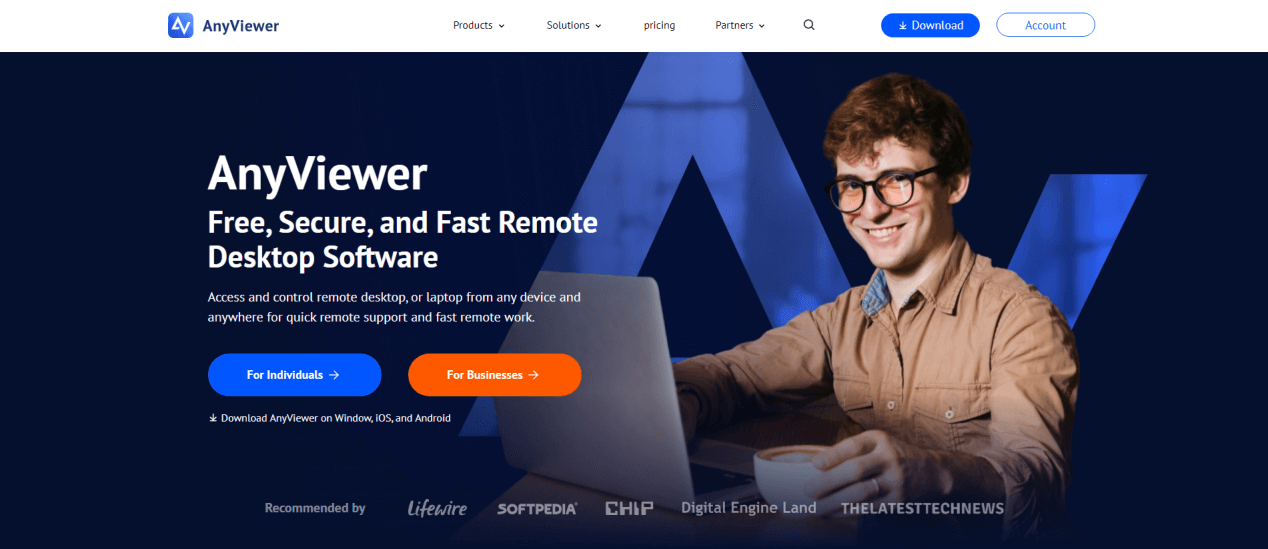
Key Features of AnyViewer:
- High-Quality Remote Access: AnyViewer offers smooth, low-latency remote control, even over slower networks, making it ideal for both work and personal use.
- Mobile and Desktop Compatibility: You can easily control your Windows or Mac computer from your Android or iPhone device, which is perfect for professionals who are frequently on the move.
- Secure Connections: AnyViewer prioritizes security with end-to-end encryption, two-factor authentication, and privacy modes, ensuring your data remains protected during remote sessions.
- User-Friendly Interface: Its intuitive design makes it easy for beginners and advanced users alike to set up and manage remote connections without complicated configurations.
- File Transfer and Collaboration: AnyViewer supports file sharing, screen sharing, and session logging, making it a great choice for team collaboration or troubleshooting remotely.
Why It's Worth Considering:
Even though AnyViewer doesn't support Chromebooks yet, it's a strong contender for anyone looking for cross-platform flexibility. If your workflow involves switching between Windows, macOS, and mobile devices, AnyViewer ensures a consistent and secure remote desktop experience without sacrificing performance.
Conclusion
Mastering remote desktop access from Chromebook to Windows opens doors to productivity, flexibility, and secure connectivity. With tools like Chrome Remote Desktop, TeamViewer, and AnyViewer, you can work seamlessly across devices, whether managing files, running apps, or streaming content. By following setup guides, troubleshooting tips, and security best practices outlined in this article, you can confidently achieve a smooth and efficient remote experience. Embrace these technologies to stay connected and productive no matter where you are.
FAQs
1. Can I control my Windows PC from any Chromebook?
Yes, as long as you install compatible remote desktop software and both devices are connected to the internet.
2. Do I need a paid account for full remote desktop access?
Chrome Remote Desktop is free, but TeamViewer and AnyViewer offer premium plans for advanced features like high-resolution streaming and multi-device management.
3. Which remote desktop tool offers the best performance?
AnyViewer is known for low latency and smooth connections, especially over moderate internet speeds.
4. Is remote access secure over public Wi-Fi?
Yes, if encryption and two-factor authentication are enabled. Avoid unsecured public networks if possible.
5. Can I run graphics-intensive apps remotely?
Yes, but performance depends on the remote PC's hardware and network speed. AnyViewer and TeamViewer handle high-res graphics better than basic tools.
6. How to troubleshoot keyboard input issues on Chromebook?
Check software key mapping settings and ensure the remote session supports full keyboard input.


 as a preferred
source on Google
as a preferred
source on Google