
Print to Local Printer from Remote Desktop: Easy Guide
Discover how to print to local printer from remote desktop with our step-by-step guide. Learn printer setup, troubleshooting tips, performance optimization, and secure alternatives like AnyViewer for seamless remote work.

By Ellie / Updated on September 22, 2025


Introduction
Remote work has transformed the way businesses operate, allowing employees to access their office computers and files from virtually anywhere. However, one common challenge that many remote workers face is printing. Whether you're working on sensitive contracts, client invoices, or internal reports, being able to print to local printer from remote desktop is essential for productivity.
The problem? Printing from a remote desktop session isn't always straightforward. Many users struggle with issues like missing printer drivers, printer not showing up in the session, or print jobs taking far too long to complete. These frustrations can quickly slow down workflow and cause unnecessary delays.
In this guide, we'll break down everything you need to know about printing to a local printer from a remote desktop. From setup instructions and troubleshooting tips to advanced options and future trends, you'll learn how to make your printing process smooth, efficient, and secure.
Understanding Remote Desktop Printing
Before diving into the step-by-step setup, it's important to understand what remote desktop printing actually is and how it differs from traditional local printing.
Remote desktop printing allows you to use a local printer while connected to a remote desktop session. This means that even if you're logged into a work computer located miles away, you can still send documents to your home or office printer as if you were sitting right next to it. Many users specifically look for guides on how to print to local printer from remote desktop Windows 10 or Windows 11 to ensure compatibility with their systems.
The main difference between local and remote printing is how the print jobs are handled. In local printing, the application directly communicates with the printer driver installed on your computer. But in remote printing, the request travels from your remote session, through the network, and then gets redirected to your local device where the printer is physically connected.
This process requires careful synchronization of drivers, network settings, and remote desktop configurations. When done correctly, it creates a seamless bridge between remote and local environments, making it possible to work from anywhere without losing access to critical printing capabilities.
Requirements for Printing from Remote Desktop
To successfully print from a remote desktop to a local printer, a few prerequisites must be in place. Skipping these requirements often leads to printer redirection issues or incomplete print jobs.
System and Software Requirements
- A Windows Remote Desktop Client (RDP) installed on the local computer
- A compatible operating system (Windows Pro/Enterprise editions typically work best)
- Properly installed and updated printer drivers on both local and remote systems
- Administrator access to configure group policy and printer redirection settings
Network and Security Considerations
Remote printing depends heavily on stable and secure connections. Some essential considerations include:
- A strong internet connection with low latency
- Firewall rules that allow remote desktop and printer redirection traffic
- VPN (Virtual Private Network) setup for secure remote sessions
- Security patches and updates applied to prevent vulnerabilities
Meeting these requirements ensures that your local printer can communicate effectively with the remote desktop session, reducing the chances of printing errors or connection drops.
Setting Up Local Printers for Remote Desktop
One of the most critical steps in enabling remote desktop printing is configuring the local printer correctly. Whether you are trying to print to local printer from remote desktop Windows 10 or Windows 11, enabling printer redirection is key.
Configuring Printer Redirection
Printer redirection is the feature that allows your local printers to appear in the remote desktop session. To enable it:
Step 1. Open the Remote Desktop Connection client on your computer.
Step 2. Click on Show Options >Local Resources tab.
Step 3. Under "Local devices and resources," check the box next to Printers.
Step 4. Save the settings and reconnect to your remote desktop.
Once configured, your local printers should automatically appear in the remote session's printer list.
Checking Printer Drivers on Host and Client Systems
Printer drivers play a major role in ensuring compatibility. If the remote system does not have the right driver installed, the printer may not function correctly. To avoid this issue:
- Confirm that the same printer drivers are installed on both the remote and local machine.
- Use Remote Desktop Easy Print (a Microsoft feature) when available, as it bypasses the need for matching drivers on the remote host.
- Regularly update drivers to prevent compatibility issues after system updates.
Getting this setup right ensures that your local printer can seamlessly work with your remote desktop environment without extra headaches.
Step-by-Step Guide: Printing to a Local Printer from Remote Desktop
Now that the setup and requirements are clear, let's walk through the actual process of printing to your local printer from a remote desktop. This step-by-step method works for users who want to print to local printer from remote desktop Windows 10 as well as those on Windows 11.
Enabling Printer Redirection in Remote Desktop Connection
Step 1. On your local computer, open the Remote Desktop Connection tool.
Step 2. Click on Show Options and navigate to the Local Resources tab.
Step 3. Under "Local devices and resources," select Printers and click Connect.
Step 4. Log in to your remote desktop session.
Step 5. Once inside, go to the Printers and Devices section of the remote machine. You should see your local printer listed there.
Connecting and Printing Documents Successfully
Step 1. Open the document you want to print on the remote desktop.
Step 2. Press Ctrl + P or select Print from the application menu.
Step 3. Choose your redirected local printer from the list. It often shows up with the tag (Redirected) next to its name.
Step 4. Adjust settings such as page size, orientation, and copies.
Step 5. Hit Print: the job will be sent to your local printer, even though you're working in a remote session.
This setup allows you to print seamlessly from anywhere, eliminating the need to transfer files back and forth between devices.
Common Issues and Fixes
Even after setting up everything correctly, many users still encounter issues when trying to print from a remote desktop session. These issues can stem from driver mismatches, network instability, or even small configuration mistakes. Let's break down the most common problems and their solutions.
Printer Not Showing in Remote Session
One of the most frequent issues is that the printer doesn't appear in the remote desktop session. This usually happens if printer redirection is disabled or blocked. To fix this:
- Recheck the Remote Desktop Connection settings and ensure "Printers"is checked.
- Verify Group Policy settings on the remote host. Sometimes administrators disable printer redirection for security.
- Restart both the local computer and the remote desktop session to refresh the redirection.
Incorrect or Missing Printer Drivers
Another common problem is when the remote desktop session cannot recognize the printer due to incompatible or missing drivers. Solutions include:
- Install the same printer driver on the remote machine.
- Use Microsoft Remote Desktop Easy Print which eliminates the need for matching drivers.
- Keep drivers up to date on both ends.
Printing Speed and Latency Issues
Printing over a remote session can sometimes be painfully slow, especially when handling large files. Here's how to optimize performance:
- Print documents as PDFs instead of images since they're smaller in size.
- Enable print job compression through group policy or third-party tools.
- Use a wired connection or high-speed Wi-Fi to minimize network lag.
By troubleshooting these common issues, you can ensure smooth and efficient printing without interruptions.
Cloud Printing Alternatives
Sometimes, remote desktop printing may not be the most efficient solution, especially if your team works across multiple locations. Cloud printing alternatives can provide greater flexibility.
Google Cloud Print Alternatives
Although Google Cloud Print was discontinued, several alternatives have stepped in:
- Papercut Mobility Print: Works across Windows, Mac, and mobile devices.
- PrinterOn: Secure cloud printing solution for enterprises.
- ezeep Blue: Easy to set up for hybrid workforces.
Using Third-Party Printing Solutions
Several third-party tools offer enhanced remote printing capabilities:
- ThinPrint: Optimizes print data transfer to reduce bandwidth usage.
- UniPrint Infinity: Universal printer driver solution.
- TSplus Universal Printer: Allows printing from any remote desktop environment.
Cloud printing ensures that employees can send print jobs securely, even if they are not logged into a remote desktop session, making it perfect for hybrid and global teams.
Security Best Practices in Remote Printing
Security is one of the most overlooked aspects of remote printing. Since print jobs may contain sensitive company data, it's important to implement safeguards.
Preventing Data Leakage
- Always use a VPN when connecting to the remote desktop.
- Enable encryption for all remote desktop sessions.
- Limit which users have access to printer redirection via Group Policy.
Enabling Secure Print Queues
- Configure printers to require PIN codes or authentication before releasing a job.
- Monitor print logs to detect unusual activity.
- Use role-based access control to prevent unauthorized users from printing sensitive documents.
By following these security measures, companies can ensure that their remote printing setup is not only functional but also compliant with data protection standards.
Printing Across Different Operating Systems
Remote desktop printing isn't limited to Windows-to-Windows setups. With the rise of hybrid work, many people use macOS or Linux systems alongside Windows servers.
Windows to Windows Printing
This is the most common setup and typically works smoothly with Easy Print. However, driver consistency remains crucial for error-free printing.
Printing from Remote Desktop to macOS Printers
If you're connecting from a Mac:
- Use Microsoft Remote Desktop for macOS.
- Enable printer redirection in the client settings.
- Ensure the Mac printer is properly configured as a local printer.
Printing from RDP to Linux Printers
Linux users can use RDP clients like Remmina or rdesktop to connect. To enable printing:
- Install CUPS (Common UNIX Printing System) on Linux.
- Map the Linux printer to the remote session.
- Verify that network permissions allow redirection.
With the right setup, printing across different OS environments can be just as seamless as native Windows printing.
Optimizing Printing Performance
Printing through a remote desktop session can sometimes feel sluggish, especially when handling large documents or graphics-heavy files. Optimizing performance is key to ensuring that your workflow isn't interrupted by long waits or incomplete print jobs.
Reducing Print Job Size
Large print files can clog the network and slow down the printing process. To reduce job size:
- Convert documents to PDF before printing to compress file size.
- Print in black and white when color isn't necessary.
- Use a draft mode to reduce ink usage and file transfer time.
- Remove unnecessary images, charts, or high-resolution backgrounds.
Using Compression and Print Management Tools
Print management tools like ThinPrint or Printix compress print jobs before sending them through the network, drastically improving performance.
- Compression reduces the file size by up to 90%.
- Bandwidth usage is minimized, which is crucial for remote users with slower internet speeds.
- Administrators can monitor and control print queues to prevent bottlenecks.
With these optimizations, remote desktop printing becomes faster, more efficient, and less prone to network congestion.
Benefits of Printing from Remote Desktop
Many people wonder why they should even bother setting up remote desktop printing when they could just email files or transfer them. The truth is, remote printing has several unique advantages that make it a valuable tool.
Seamless Workflows for Remote Teams
Employees can access documents, edit them, and print directly to their local printer without moving files around. This saves time and eliminates the risk of errors caused by file transfers.
Increased Flexibility and Efficiency
Remote printing allows users to work from anywhere while maintaining access to essential office resources. For example, an employee working from home can print a confidential report directly to their home printer instead of emailing it to themselves.
Better Collaboration
When remote workers can print from their sessions, teams can collaborate without delays. Documents can be printed for in-person meetings even if the editor is miles away.
This streamlined approach helps businesses maintain productivity, especially in hybrid or fully remote work environments.
Alternative Solution: AnyViewer for Remote Access and File Management
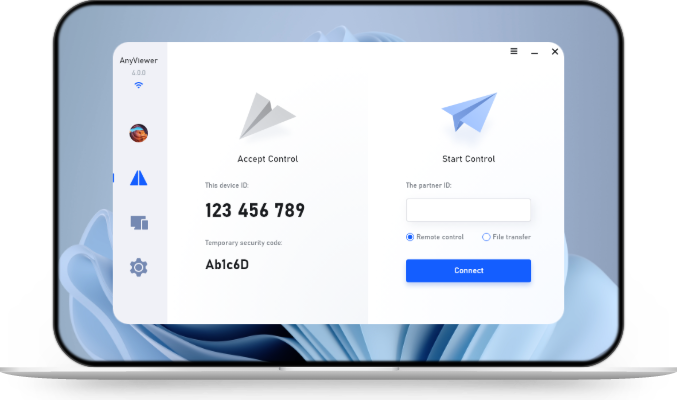
While remote desktop printing is essential for many users, sometimes you may need more than just printing capabilities. For instance, you might want to securely transfer files, access your office PC from anywhere, or provide remote support. This is where AnyViewer comes in.

AnyViewer is a powerful remote access software designed for seamless connectivity between devices. Although it doesn't support remote printing directly, it offers a range of features that make remote work easier and more secure:
- Cross-platform remote control: Access Windows PCs from Windows, iOS, or Android devices.
- Fast and stable connections: Optimized for low-latency performance, even over weaker networks.
- File transfer: Move documents, contracts, or reports securely between remote and local computers, reducing the need to print in the first place.
- Multi-session support: Manage multiple remote devices simultaneously, which is especially useful for IT admins.
- Robust security: End-to-end encryption ensures your data and files stay protected.
If your workflow requires more flexibility beyond printing, AnyViewer can be the perfect complement. You can transfer the files you need locally and print them directly, while still benefiting from a secure and user-friendly remote access experience.
Conclusion and Final Thoughts
Mastering how to print to local printer from remote desktop Windows 10 or Windows 11 ensures a smooth workflow, reduces delays, and enhances productivity. From enabling printer redirection to using advanced solutions like Easy Print and cloud-based printing, there are multiple ways to make remote printing work smoothly.
Businesses benefit by ensuring their remote workforce can stay productive without interruptions. IT admins gain control and security, while end-users enjoy the convenience of printing locally no matter where they are logged in.
As remote work continues to grow, mastering remote desktop printing isn't just a technical necessity—it's a key productivity tool. By optimizing performance, securing print jobs, and adopting future-ready solutions, you can transform printing from a hassle into a seamless part of your remote workflow.
FAQs
1. Why is my local printer not showing in Remote Desktop?
This usually happens when printer redirection is disabled. Check your RDP settings and ensure that "Printers"is selected under local devices and resources.
2. Do I need to install printer drivers on the remote computer?
Not always. With Microsoft's Easy Print, you don't need to install drivers on the remote computer. However, in some cases, matching drivers may be required.
3. Can I print to a wireless printer from Remote Desktop?
Yes, as long as the printer is configured on your local machine. Once added, it can be redirected into the remote desktop session.
4. How can I speed up printing from Remote Desktop?
Use file compression, print in draft mode, and ensure you have a stable internet connection. Third-party print management tools can also improve performance.
5. Is remote desktop printing secure?
Yes, if configured properly with VPNs, encryption, and secure print queues. Businesses should also enable role-based access control for added protection.



 as a preferred
source on Google
as a preferred
source on Google