
How to Manage Time When Working from Home: 10 Simple Tips
Learn how to manage time when working from home with 10 simple, effective strategies. Improve focus, reduce distractions, and boost productivity with the right routine and tools.

By Ellie / Updated on November 27, 2025


Why is Time Management Important When Working from Home?
Working from home presents both opportunities and challenges. On the positive side, there’s no commute, fewer office politics, and greater flexibility. On the downside, without proper planning, remote work can lead to procrastination, overworking, and diminished productivity.

Understanding how to manage time when working from home becomes essential for creating a productive and balanced routine. Here are some reasons why effective time management at home is essential:
- Boosts productivity: Helps you complete more tasks efficiently.
- Reduces stress: Eliminates last-minute rushes and chaotic schedules.
- Maintains work-life balance: Prevents work from encroaching on personal time.
- Promotes mental clarity: A well-organized day reduces cognitive overload.
Learning how to manage work from home effectively can dramatically improve your focus, motivation, and long-term success. This guide provides 10 proven strategies to help you maximize productivity, maintain balance, and achieve long-term success when working from home.
How to Manage Time When Working from Home [10 Tips]
Here are several practical strategies to help you use your time more effectively while working from home:
1. Build a Structured Daily Routine
Even if your job offers flexibility, crafting a clear schedule can make a world of difference. It keeps you accountable and signals to everyone in your household when you’re in “work mode.” If your day includes family duties or errands, consider block scheduling, alternating chunks of focused work with personal time.
For instance, you could work from 9 a.m. to noon, handle personal tasks until 3 p.m., and return to work afterward. Posting your schedule somewhere visible helps everyone stay on the same page. This approach allows you to stay organized working from home while ensuring your workflow stays structured.
2. Establish a Dedicated Work Zone
Creating a designated workspace helps draw a mental line between your professional responsibilities and everything else happening at home. When you consistently work in a separate area, ideally away from high-traffic rooms, you’ll experience fewer interruptions and slip more naturally into a productive mindset. This same space also tells your brain when it’s time to shut down and log off.
3. Act as If You’re Heading to the Office
Once your schedule is set, follow it as though you’re still commuting to a traditional workplace. Get up at a consistent time, get dressed, and prepare for the day ahead. You might even prep your lunch early to avoid mid-day disruptions. When you “arrive” at your workspace, stay there for your planned work blocks.
This includes honoring break times, especially lunch, and sticking to a morning routine, even if your job isn’t rigid about hours.
4. Reduce or Eliminate Distractions
Distractions can quickly derail your day, so the first step toward reclaiming your time is identifying what throws you off. If the TV pulls your attention away, relocate your setup. If unfinished chores nag at you, pick a spot that keeps them out of sight. By minimizing interruptions, you’ll naturally learn how to stay organized working from home and sustain a more productive rhythm.
5. Create Daily and Weekly To-Do Lists
To-do lists are powerful tools for structure and productivity. They are especially helpful if you’re trying to understand how to manage work from home effectively, as they provide clarity and direction.
Start each week by outlining what needs to be done, then break those tasks into smaller daily segments or time blocks. While assigning tasks to specific times can help, don’t forget to leave breathing room for surprise responsibilities or last-minute changes.
Review your list every day, crossing items off and updating as needed.
6. Limit Nonessential Technology
Technology is essential for remote work, but too much of it can cause unnecessary noise. Minimize digital distractions by silencing your phone, turning off the TV, and avoiding unrelated websites. If you need to check messages, dedicate a few minutes every hour, or every couple of hours, rather than monitoring them constantly.
7. Set Clear and Measurable Goals
Goal-setting helps you gauge how well you’re managing your time while highlighting areas for improvement. Use the SMART framework, specific, measurable, achievable, realistic, and time-based, to structure these goals. Examples include:
- Spend one hour each week organizing your workspace.
- Begin each morning with an hour dedicated to clearing emails.
- Limit social media use during the workday to 30 minutes.
- Read a work-related book for at least one hour weekly.
Mix short-term and long-term goals, especially if remote work is a long-term arrangement for you.
8. Clarify Your Priorities
Knowing what matters most allows you to devote your time to high-value tasks rather than unnecessary busywork. List your priorities and rank them from least to most important. Compare this list with how you currently spend your time each week, and adjust your schedule to better align with what truly matters.
9. Use Time-Management Tools and Apps
If time still seems to slip away, try using digital tools or apps specifically designed to help you stay on track. Many time-tracking apps work seamlessly on smartphones and computers.
Prefer something simple? Set a physical timer and break your day into manageable segments. Once the timer goes off, switch tasks to maintain momentum and avoid burnout.
10. Strengthen Your Decision-Making Skills
Time management is ultimately a series of decisions, what to do, when to do it, and what to let go of. Improve your workflow by categorizing each task using the four-action method:
- Delete: Remove tasks that are unnecessary or already resolved.
- Do: Handle tasks that require your direct action now.
- Delegate: Assign tasks someone else can manage.
- Defer: Postpone tasks that aren’t urgent until you have the time to handle them effectively.
Managing your time is all about making smart, timely decisions. Improving this skill helps you maintain structure and deepen your understanding of how to manage work from home effectively.
Bonus Tip: Best Remote Desktop Software for Working from Home

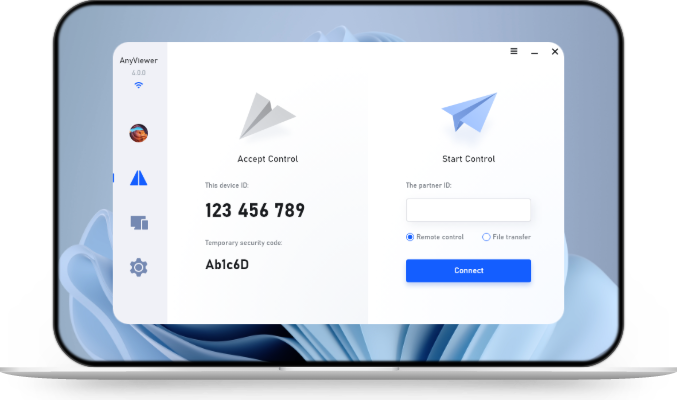
When working from home, one of the biggest challenges is staying connected to the tools, files, and systems you normally access in the office. A reliable remote desktop solution can bridge this gap seamlessly, and AnyViewer stands out as one of the best choices for remote workers who want a smoother, more productive workflow.
AnyViewer helps you overcome common WFH challenges by offering:
- Fast and Stable Remote Connections
AnyViewer delivers ultra-smooth remote sessions with low latency, ensuring you can control your office PC remotely just as if you were sitting in front of it. This is extremely helpful for tasks like handling large documents, managing business software, or accessing office-only applications.
- High-Level Security for Peace of Mind
Security is essential when working from home, especially if you handle sensitive data. AnyViewer uses strong encryption protocols, multi-layer authentication, and privacy controls to protect your remote sessions. This ensures your work remains safe, even when accessing your PC over public or home networks.
- Easy File Transfer & Multi-Device Support
Need to move documents between your home laptop and office computer? AnyViewer’s built-in file transfer makes it effortless. The software also supports cross-device remote desktop connections, so you can manage your work computer from a Windows PC, tablet, or even mobile phone, perfect for flexible remote workflows.
- One-Click Unattended Access
If you frequently need to connect to your office computer, AnyViewer’s unattended access feature allows you to log in instantly without waiting for someone to authorize the connection. This saves valuable time and keeps your workday running smoothly, especially when handling urgent tasks.
- Great for Collaboration & IT Support
Working with a remote team? AnyViewer allows screen sharing, remote assistance, and multi-user management, making it a powerful tool for both teamwork and remote IT support. Whether you’re sharing a presentation or helping a colleague resolve a technical issue, it keeps collaboration efficient and frustration-free.
- Lightweight, User-Friendly, and Reliable
AnyViewer is designed to be simple enough for beginners but powerful enough for professionals. It runs smoothly on most devices without slowing them down, giving you a dependable remote access experience every day.
In short, AnyViewer is more than just a remote desktop tool; it’s a productivity booster for remote workers. It helps you stay connected, overcome technical limitations, and maintain efficiency no matter where you’re working from. By integrating AnyViewer into your WFH routine, you can streamline your tasks, minimize disruptions, and enjoy a more organized, stress-free workday.
Conclusion
Managing your time well while working from home doesn’t have to be difficult. With a solid routine, a dedicated workspace, clear goals, and fewer distractions, you can stay productive, focused, and balanced throughout the day. These 10 strategies make it easier to stay organized, reduce stress, and create a healthier work-life rhythm.
Using the right tools also helps. A remote access solution like AnyViewer keeps you connected to your office computer, files, and apps, making your workflow smoother and more efficient. It’s an excellent addition for anyone wanting to improve how to manage time when working from home and streamline daily tasks.
Start applying these tips today and use tools like AnyViewer to support your workflow. With the right habits and technology, your home office can become a comfortable, productive place where you can do your best work.



 as a preferred
source on Google
as a preferred
source on Google