
Managing a Global and Remote Workforce [7 Tips]
Managing a global and remote workforce requires balancing technology, culture, and leadership. This guide explores best practices for collaboration, performance management, diversity, and time zone coordination to create productive, connected, and motivated teams worldwide.

By Ellie / Updated on October 28, 2025


What is a global remote workforce?
In today's business world, remote work has moved far beyond being a temporary solution; it has become the standard. With technology breaking down geographical barriers, companies are increasingly embracing teams that operate across continents. The idea of a "global remote workforce" has shifted from a crisis-driven necessity to a strategic, long-term model for growth.
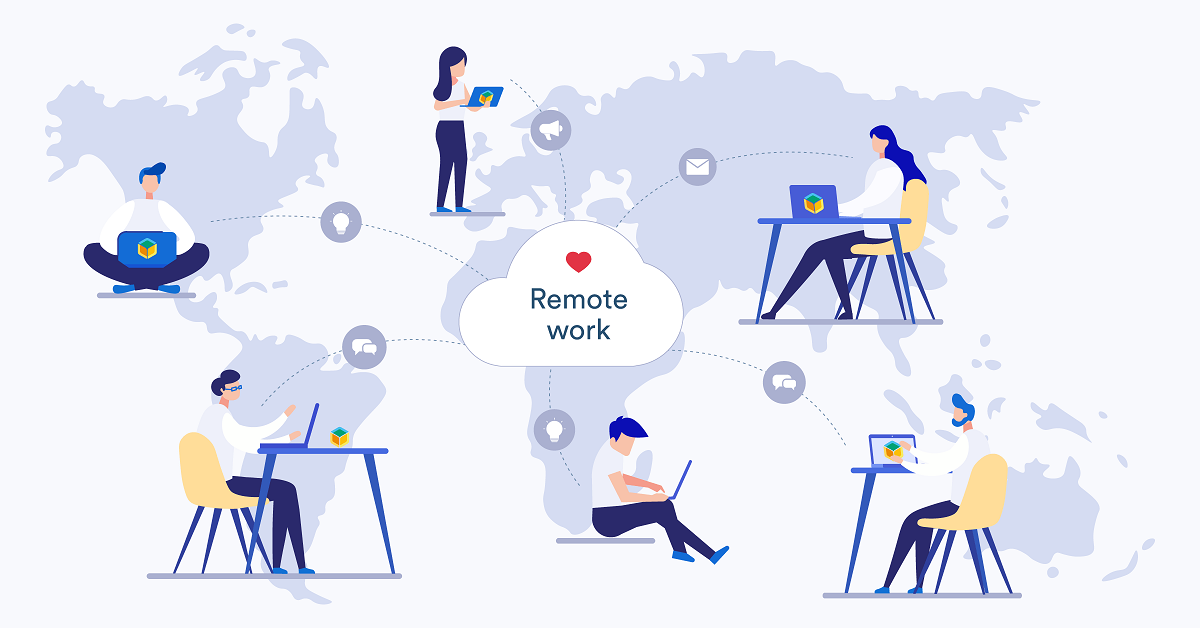
A global remote workforce consists of professionals spread across different countries, collaborating through digital platforms rather than physical offices. These teams span multiple time zones, cultures, and backgrounds, working together toward shared organizational objectives. Unlike traditional office setups, global teams rely on virtual communication tools, project management software, and trust to maintain alignment and productivity.
What truly sets a global remote workforce apart is its diversity. Team members contribute unique perspectives, work habits, and cultural insights that drive innovation and creativity. At the same time, this diversity requires thoughtful management. Leaders must focus on managing a global workforce by fostering inclusion, respecting local customs and holidays, accommodating time zone differences, and creating a sense of belonging despite the physical distance.
Success also depends on implementing remote-first policies. Clear communication protocols, well-defined performance expectations, and robust digital infrastructure are essential. The aim isn't just to hire globally, it's to build a framework where every employee can thrive without the constraints of geography. When executed effectively, managing a global and remote workforce becomes a powerful engine for innovation, resilience, and worldwide market impact.
What are the advantages of leveraging a global and remote workforce?
Expanding your team globally comes with numerous benefits that go beyond just filling positions; it transforms how your organization innovates, operates, and competes on the world stage.
Global talent access
Hiring globally gives organizations access to a much wider talent pool. Instead of competing for limited local candidates, companies can attract the best minds from anywhere in the world. This not only enhances innovation but also introduces diverse perspectives that can help companies cater to international markets more effectively. Whether it's a software developer from India, a designer from Brazil, or a strategist from Germany, global teams bring together the best skills without boundaries.
Cost efficiency
Remote global hiring also leads to significant cost savings. Companies can optimize labor costs by hiring in regions with different economic standards while providing competitive compensation locally. Additionally, expenses like office rent, utilities, and on-site benefits are drastically reduced. These savings can be reinvested into employee development, technology, and growth initiatives, driving long-term business success.
24/7 productivity
With team members working across multiple time zones, organizations can achieve continuous workflow. While one part of the team ends its day, another begins, ensuring projects move forward around the clock. This 24/7 productivity model not only increases efficiency but also helps companies serve global clients without delay. It's like having a relay race where every team member passes the baton seamlessly, work never truly stops.
How to effectively manage and engage remote teams
Managing a remote workforce comes with unique challenges, from time zone differences to communication barriers. Yet, with the right strategies, tools, and leadership approaches, remote teams can be highly productive, engaged, and motivated.
1. Leveraging technology to keep teams connected
Technology is the backbone of modern remote work. Without reliable digital tools, coordinating a distributed team would be chaotic. Effective technology not only connects employees but also ensures data security and workflow efficiency.
- Collaboration Platforms
Apps like Slack, Microsoft Teams, and Zoom enable instant messaging, video calls, and file sharing. Beyond day-to-day communication, these platforms help maintain team cohesion. Virtual brainstorming sessions, weekly check-ins, and casual coffee chats strengthen interpersonal relationships and nurture camaraderie.
- Project Management Tools
Managing complex projects across multiple time zones requires clarity and transparency. Tools such as Asana, Trello, and Monday.com provide visibility into tasks, deadlines, and responsibilities, minimizing confusion and centralizing documentation. By streamlining collaboration, teams remain accountable and aligned.
- Secure Remote Access with AnyViewer
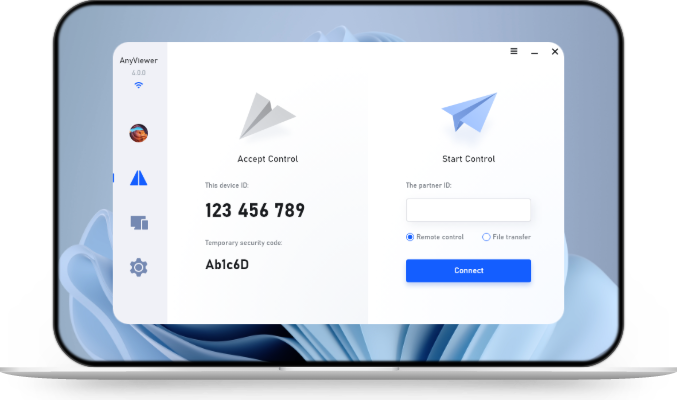
For teams needing direct access to office desktops, AnyViewer offers a secure and seamless solution. It allows employees to remotely access files, applications, and systems from anywhere in the world, enabling uninterrupted work while maintaining strong cybersecurity standards.
- Cybersecurity Essentials
As employees connect from various locations and devices, robust security protocols are critical. VPNs, two-factor authentication, and encrypted channels are essential. Regular training on phishing awareness and data privacy ensures company and client information stays protected. A secure digital environment fosters confidence and productivity.
2. Building a positive remote work culture
Culture is the heartbeat of any organization. In a remote setting, leaders must intentionally cultivate a sense of belonging, shared purpose, and trust. A strong culture ensures employees feel valued and motivated, regardless of location.
- Trust and Accountability
Without physical oversight, trust becomes essential. Managers should empower employees while holding them accountable for results. Clear communication, consistent feedback, and autonomy encourage ownership and reliability. Micromanagement should be avoided; it stifles creativity and morale.
- Connection and Engagement
Isolation is a common challenge in remote work. Virtual team-building activities, online games, and casual chat channels help maintain social bonds. Recognition programs, such as "Employee of the Month" shout-outs, further boost engagement. When employees feel seen and appreciated, their performance improves naturally.
- Transparent Communication
Open communication channels ensure every team member has access to updates, goals, and company insights. Regular check-ins and forums for sharing ideas cultivate loyalty and commitment. Transparency reduces misunderstandings and keeps teams aligned, even across continents.
3. Leading remote teams with empathy
Effective remote leadership demands adaptability, empathy, and emotional intelligence. Command-and-control styles rarely succeed in distributed environments. Instead, leaders guide, mentor, and inspire.
- Adapting Leadership Styles
Remote teams are culturally diverse, and leadership must reflect that. Some employees prefer direct feedback, while others respond better to subtle guidance. Understanding these nuances and blending cultural awareness with emotional intelligence strengthens trust and team cohesion.
- Emotional Intelligence (EQ)
Leaders with high EQ can detect subtle changes in tone, responsiveness, or engagement levels. Recognizing when an employee struggles and providing timely support fosters loyalty and morale. Emotional intelligence bridges the gap that technology cannot fill.
- Leading by Example
Remote managers must model the behavior they expect. Punctuality, accountability, respect for time zones, and work-life balance set the tone. Employees mirror these behaviors, cultivating a culture of integrity, consistency, and mutual respect.
4. Overcoming communication barriers
Effective communication is vital for remote teams, especially when members operate across different languages and cultures. Miscommunication can lead to errors, frustration, and inefficiency.
- Choosing the Right Tools
Instant messaging apps like Slack or Teams are ideal for quick updates. Video calls on Zoom or Google Meet facilitate collaboration on complex topics. AnyViewer allows employees to access office desktops remotely, ensuring work can continue uninterrupted while sharing resources securely.
- Clear Communication Protocols
Establishing rules around synchronous vs. asynchronous communication, response times, and meeting etiquette reduces confusion. Recording sessions and documenting decisions in shared spaces ensures all team members stay informed, even across time zones.
- Asynchronous Collaboration
Not all collaboration requires real-time interaction. Recording updates or sharing written instructions allows employees to respond thoughtfully and work efficiently without disrupting their schedules. Asynchronous communication respects time zones and encourages deep, productive work.
5. Managing across time zones
Time zone differences can be challenging but also advantageous. With strategic planning, teams can achieve nearly 24/7 productivity.
- Scheduling Best Practices
Identify overlapping hours for live collaboration, rotate meeting times to avoid burdening the same employees, and record sessions for those who cannot attend. Tools like World Time Buddy simplify global scheduling and prevent misunderstandings.
- Time Zone Management Tools
Platforms like Clockify and Timezone.io, combined with shared calendars, provide clarity about availability and deadlines. Some companies implement "core hours" to maintain collaboration while leaving flexible time for deep work.
- Balancing Flexibility and Accountability
Remote work thrives when employees control their schedules while meeting outcomes. Clear expectations for work hours, availability, and deadlines prevent burnout. With proper strategies for managing a remote workforce, time zones become an asset rather than a hurdle.
6. Promoting diversity and inclusion
A global team's diversity is its strength. Inclusive practices foster creativity, engagement, and collaboration.
- Cultural Awareness
Understanding local communication styles, work ethics, and customs prevents misunderstandings. Celebrate cultural events, respect local holidays, and encourage dialogue to ensure everyone feels valued.
- Inclusive Communication
Use simple, clear language, visual aids, and written summaries to accommodate linguistic differences. Ensure all team members have opportunities to contribute, regardless of location or language proficiency.
- Equitable Opportunities
Provide equal access to promotions, training, and recognition for all employees, regardless of geography. Fair evaluation and mentorship programs help remote team members grow and stay motivated.
7. Performance management for remote teams
Remote performance management requires new approaches focused on outcomes, communication, and development.
- Setting Measurable Goals
Use SMART goals and OKRs to clarify expectations and align individual contributions with organizational objectives. Clear metrics empower employees to work independently and confidently.
- Continuous Feedback
Regular check-ins provide opportunities for coaching, recognition, and course correction. Peer feedback promotes accountability, while acknowledging achievements reinforces motivation.
- Data-Driven Insights
Tools like Hubstaff, ClickUp, Jira, and secure remote access platforms such as AnyViewer provide managers with analytics to track productivity objectively. Data should guide, not control, creating a culture of support, trust, and continuous improvement.
Leveraging AnyViewer for efficient global and remote workforce management
Managing a global and remote workforce requires not only strategy and leadership but also the right digital tools. AnyViewer offers a comprehensive remote desktop solution for companies looking to streamline remote work and enhance employee management across continents.
With AnyViewer, enterprises can provide secure remote access to desktops, files, and applications, ensuring employees remain productive regardless of location. Its robust permission management allows IT administrators to control who can access specific resources, protecting sensitive information while maintaining workflow efficiency.
Key features for enterprise and employee management include:
- Centralized Access Control: Easily assign roles, permissions, and access rights to employees, ensuring security and accountability.
- Remote Monitoring and Support: Managers can oversee active sessions, track progress, and provide real-time support to remote employees with screen walls.
- Seamless Collaboration: Employees can share screens, collaborate on projects, and troubleshoot issues without the need for complex VPN setups.
- Secure and Compliant: AnyViewer uses encryption and authentication protocols to protect data, helping organizations maintain compliance with industry standards.
By integrating AnyViewer into daily operations, companies can simplify IT management, boost employee productivity, and strengthen security. It becomes an essential tool for managing a global and remote workforce, turning distributed teams into a cohesive, high-performing unit.
Conclusion
Managing a global and remote workforce is both an art and a science. It requires striking a balance between flexibility and structure, autonomy and accountability, and diversity and unity. The most successful organizations understand that remote work isn't just about logistics; it's about people.
When businesses embrace global collaboration and effective strategies for managing a global workforce, they unlock a world of talent, innovation, and opportunity. By investing in technology, fostering inclusivity, and developing emotionally intelligent leadership, companies can create teams that transcend borders and deliver exceptional results.
The future belongs to organizations that can adapt, connect, and inspire across continents. The distance between people no longer defines how we work; it defines how far we can go together.



 as a preferred
source on Google
as a preferred
source on Google