
[Complete Guide] How to Set Up Remote Printing
This guide covers everything about setting up remote printing, including how to prepare your printer, choose the right method, and keep your print jobs secure. You'll also learn how to set up a printer for remote printing, how to set up wireless printing on Mac, and how AnyViewer can support remote access.

By Ellie / Updated on September 22, 2025


Introduction
In today's fast-paced world, the way we work has drastically changed. With remote work becoming the new norm, employees often need access to resources beyond their home office. One of the most overlooked yet essential tools is remote printing. Imagine you're working from a café and need to send a document to your office printer so your colleague can pick it up. Or perhaps you're traveling and still want to print invoices directly at your company headquarters. Remote printing makes this possible and ensures seamless workflow, no matter where you are.

This guide will walk you through everything you need to know about how to set up remote printing. From understanding what it is, exploring different methods, step-by-step setup on various devices, to addressing security concerns and future trends, we'll cover it all in detail. Whether you're a small business owner, an IT professional, or just someone trying to connect a home office printer remotely, this article will serve as your complete guide.
Understanding Remote Printing
At its core, remote printing refers to the ability to send a print job to a printer that is not physically connected to your device. Instead of plugging a USB cable into your laptop, you can send documents wirelessly through the internet, a VPN, or a cloud service. This flexibility allows you to print from virtually anywhere in the world.
The key benefits of remote printing include:
- Convenience: Print documents without being near the printer.
- Collaboration: Team members across different locations can access shared printers.
- Efficiency: Save time and streamline document management.
However, without remote printing, companies may face challenges such as delays in document processing, lack of flexibility for remote employees, and over-reliance on local storage devices. In modern businesses where speed and accessibility matter most, remote printing has become more than just a convenience; it's a necessity.
Why Remote Printing is Important
Remote work has become mainstream, with millions of employees working outside traditional offices. In such environments, remote printing bridges the gap between digital workspaces and physical document needs.
Here's why it matters:
- Supports remote teams: Employees can print directly to office printers even while working from home.
- Cost savings: Businesses can reduce the need for multiple printers across different branches by centralizing printing.
- Improved accessibility: Freelancers, hybrid workers, and traveling professionals can print documents without being physically present.
Think of remote printing as a digital "courier service." Instead of sending files by email and asking someone else to print them, you can directly print on the target machine. This not only saves time but also keeps sensitive documents more secure. In industries like healthcare, legal, and finance where timely document access is crucial, remote printing is a game-changer.
Preparing Your Printer for Remote Setup
Before diving into technical configurations, you need to prepare your printer. Here's a checklist to get started:
Step 1. Check printer compatibility
- Not all printers support remote access. Modern Wi-Fi-enabled printers are best for remote printing.
- Look for features like AirPrint (for iOS), Google Cloud Print (legacy), or built-in mobile printing support.
Step 2. Install the latest printer drivers
- Outdated drivers can cause printing errors.
- Always download drivers from the manufacturer's official website.
Step 3. Connect your printer to the network
- For remote access, your printer must be connected to a stable Wi-Fi or Ethernet network.
- Assign a static IP address to avoid connectivity issues.
By taking these steps, you ensure your printer is ready for smooth integration into any system. These are the foundations of how to set up printer for remote printing, and skipping them may lead to endless troubleshooting later.
How to Set Up Remote Printing [5 Methods]
Remote Printing with cloud-based printing solutions
For years, Google Cloud Print was the go-to solution for setting up remote printing. It allowed users to print from any device connected to their Google account, regardless of the printer's location. However, in December 2020, Google officially discontinued this service, leaving many businesses and individuals searching for alternatives.
The good news is that plenty of cloud-based printing solutions have emerged to fill the gap. Some of the most popular options today include:
- PaperCut Mobility Print: A free solution that supports Windows, Mac, iOS, Android, and Chromebook. It's user-friendly and integrates well with enterprise setups.
- PrinterLogic: An enterprise-grade solution offering centralized management, security, and support for large organizations.
- ezeep: A cloud-native platform that makes it easy to print without drivers and works great for remote teams.
Key Features of Cloud Printing Services:
- Driverless Printing: Users don't need to install printer drivers on their devices.
- Cross-Platform Support: Works across Windows, macOS, Linux, iOS, and Android.
- Centralized Management: IT teams can control printer access and monitor usage.
- Scalability: Cloud platforms can easily grow with your business.
- Security: Many services offer end-to-end encryption, authentication, and print job tracking.
How to Choose the Right Service:
- For small businesses, free or low-cost options like PaperCut Mobility Print may be sufficient.
- For enterprises, PrinterLogic or UniPrint InfinityCloud provide advanced features like print auditing and security policies.
- For remote-first teams, ezeep Blue offers a smooth experience without requiring a corporate VPN.
Step-by-step setup using PaperCut Mobility Print (as an example):
Step 1. Install Mobility Print on your computer or print server.
Step 2. Add your printers to the Mobility Print platform.
Step 3. Share access with users by sending them a setup link.
Step 4. Users install the Mobility Print app on their device.
Step 5. They can now select the shared printer and print remotely.
The beauty of these solutions is their cross-device compatibility. Unlike traditional network-based methods, cloud printing services let you print from laptops, tablets, and even smartphones, no matter where you are. For small businesses or freelancers, this can be a game-changer, reducing complexity while keeping costs under control.
Setting Up Remote Printing on Windows
Windows users have multiple options for setting up remote printing. Whether you're working with a home office printer or managing a business network, Microsoft provides several built-in tools to simplify the process.
Option 1: Printer Sharing
Step 1. Go to Control Panel > Devices and Printers.
Step 2. Right-click on your printer and select Printer Properties.
Step 3. Under the Sharing tab, enable Share this printer.
Step 4. Other devices on the same network can now connect to this printer.
Option 2: Remote Desktop Printing
Step 1. If you connect to another PC using Remote Desktop Protocol (RDP), your local printers can be redirected.
Step 2. When starting the RDP session, check the box for Printers under Local Devices and Resources.
Step 3. This ensures your local printer appears on the remote machine.
Option 3: Cloud Printing Alternatives
- Since Google Cloud Print is no longer available, third-party solutions like PaperCut, PrinterLogic, or ezeep are recommended.
- These integrate seamlessly with Windows and provide secure printing over the internet.
For businesses, combining VPN access with Windows shared printers is a secure solution. Employees log in to the VPN and print as if they were in the office, while IT admins maintain control over printer access.
Setting Up Remote Printing on MacOS
Apple devices are known for their seamless ecosystem, and printing is no exception. Setting up remote printing on a Mac can be done through AirPrint, printer sharing, or third-party apps. If you're wondering how to set up wireless printing on Mac, here are the main options:
Method 1: AirPrint
- Many modern printers support Apple's AirPrint technology.
- Connect your printer to the same Wi-Fi network as your Mac.
- On your Mac, go to System Preferences > Printers & Scanners.
- Add your AirPrint-enabled printer, and you're ready to print wirelessly.
Method 2: Printer Sharing on Mac
Step 1. Open System Preferences > Sharing.
Step 2. Check Printer Sharing.
Step 3. Select the printer you want to share.
Step 4. Other Mac users on the network can now print to your shared printer.
Method 3: Third-Party Apps
- Apps like Printopia or Presto extend printing capabilities, allowing you to print from Macs, iPhones, and iPads to non-AirPrint printers.
- These apps also support printing over remote connections, making them ideal for hybrid work setups.
MacOS makes remote printing particularly smooth for users in the Apple ecosystem. If your team uses a mix of Windows and Mac, consider a cloud printing solution to unify the workflow.
Remote Printing from Mobile Devices
In today's world, people are working more from their smartphones and tablets than ever before. Whether you're reviewing a PDF on your iPhone or signing a contract on your Android tablet, being able to print directly from your mobile device can save time.
For Android Users:
- Most Android devices have a built-in Print Service.
- Go to Settings > Connected Devices > Printing.
- Enable the default print service or install specific print service plugins (HP, Canon, Epson, etc.).
- Add your printer and print from any app with a share/print option.
For iOS Users (iPhone/iPad):
- iOS comes with AirPrint pre-installed.
- Connect to the same Wi-Fi network as your printer.
- Open the document or photo, tap the share button, and select Print.
- Choose the printer and complete your job.
Third-Party Apps:
Apps like Mopria Print Service (Android) or PrintCentral Pro (iOS) allow more flexibility, including remote printing through the internet.
Mobile printing is especially useful for field workers, sales representatives, and travelers who need to send documents back to the office. With just a few taps, they can print contracts, receipts, or reports directly from their device.
Using VPN for Remote Printing
A Virtual Private Network (VPN) is one of the most secure ways to set up remote printing. It creates a secure tunnel between your device and the office network, making it seem as though you are physically present in the office.
Steps to Set Up VPN Printing:
Step 1. Set up a VPN server on your office network.
Step 2. Connect your device to the VPN using your credentials.
Step 3. Once connected, your device will have access to office resources, including printers.
Step 4. Add the office printer to your computer via its network path or IP address.
Step 5. Send print jobs securely through the VPN.
Advantages:
- Highly secure, as all data is encrypted.
- Works with existing office printers without special software.
- Suitable for organizations that already use VPN for remote work.
Disadvantages:
- Requires IT expertise to configure.
- Can slow down printing speeds depending on VPN performance.
VPN-based remote printing is perfect for enterprises handling sensitive data such as law firms, hospitals, or financial institutions. It combines convenience with strong security, making it one of the most trusted methods.
Security Considerations in Remote Printing
Remote printing is incredibly convenient, but it also opens the door to security risks if not handled properly. Sensitive business documents, such as contracts or financial reports, could be intercepted if sent through unsecured networks.
Potential Risks:
- Data interception while transferring print jobs.
- Unauthorized access to shared printers.
- Uncollected printouts left in trays, exposing confidential data.
- Weak passwords on printer admin panels.
How to Secure Remote Printing:
- Use Encryption: Ensure print jobs are encrypted during transmission.
- Authentication: Require users to log in before printing (PIN codes, ID cards, or mobile authentication).
- VPN Access: Use VPNs for remote workers to connect securely to office printers.
- Secure Print Release: Documents only print when the user is physically at the printer to release them.
- Regular Firmware Updates: Keep printers updated to patch vulnerabilities.
Best Practices for Businesses:
- Implement print management software to monitor and control who prints what.
- Train employees on proper document handling and security awareness.
- Use role-based access control so sensitive printers are only available to authorized staff.
With cyber threats on the rise, ignoring security in remote printing can be costly. By combining encryption, authentication, and strict access policies, businesses can enjoy the benefits of remote printing without compromising on security.
Troubleshooting Common Remote Printing Issues
Even with the best setup, remote printing can sometimes run into issues. Knowing how to troubleshoot quickly ensures minimal disruption to workflow.
1. Printer Not Found Error
- Check if the printer is turned on and connected to the network.
- Verify the device is on the same VPN or cloud printing service.
- Reinstall the printer driver or app.
2. Slow Printing Speed
- Large print jobs can take longer when sent over the internet.
- Check your network speed and reduce file size (e.g., compress PDFs).
- Update printer firmware to improve efficiency.
3. Connectivity Issues
- If using VPN, ensure the connection is stable.
- Restart both the router and printer.
- Assign a static IP address to the printer to avoid conflicts.
4. Print Job Stuck in Queue
- Cancel the print job and restart the spooler service.
- On Windows, go to Servicesand restart Print Spooler.
- On macOS, delete and re-add the printer.
5. Unsupported File Types
- Some cloud printing services don't support every file type.
- Convert files to PDF before printing to avoid compatibility issues.
By addressing these common problems, you can ensure smooth and reliable printing. IT admins should also maintain logs and monitoring tools to quickly identify recurring issues and fix them proactively.
Adding AnyViewer to Your Remote Printing Guide
AnyViewer as a Remote Access Solution
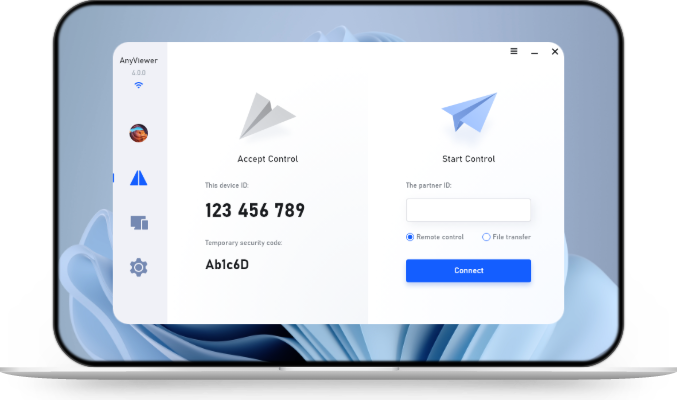
While cloud printing services and VPN setups focus directly on remote printing, there are also remote desktop tools like AnyViewer that can be extremely useful in related scenarios. AnyViewer is designed to provide secure and seamless remote desktop connections, allowing you to access your office or home computer from anywhere in the world.

How It Works with Printing Needs
Although AnyViewer does not currently support remote printing as a built-in feature, it can still play an important role. For instance, if you need to print a file stored on your office PC, you can use AnyViewer to log in remotely, open the file, and then send it to the office printer as if you were sitting in front of that computer. In this way, you still achieve the outcome of remote printing, even though the process involves controlling your office device rather than sending print jobs directly across the internet.
Why Choose AnyViewer?
- Ease of Use: User-friendly interface suitable for both beginners and IT admins.
- Cross-Device Compatibility: Works across Windows, iOS, and Android.
- Secure Connections: End-to-end encryption ensures your data stays safe.
- Free & Paid Plans: Offers flexible pricing options, making it accessible for personal and business use.
When to Use AnyViewer for Printing Scenarios
- If your printer does not support cloud printing.
- If you prefer accessing files directly on your office computer before printing.
- If you need broader remote management features beyond printing (file transfer, troubleshooting, collaboration).
Conclusion
Remote printing has transformed the way individuals and businesses handle documents. From cloud printing services to VPN setups and mobile solutions, there are countless ways to print securely and conveniently from anywhere in the world. The key lies in choosing the right method based on your needs, ensuring strong security practices, and preparing your printer properly.
By following this guide, you now know how to set up remote printing, including how to set up printer for remote printing and even how to set up wireless printing on Mac. Whether you're a small business owner, IT professional, or remote worker, these solutions can save you time, money, and frustration while keeping productivity at its peak.
FAQs
1. Can I set up remote printing without the internet?
Yes, but only within a local network or via direct connections. For true remote access from anywhere, an internet connection or VPN is required.
2. Is cloud printing safe?
Yes, as long as you use services with encryption and authentication. Choose reputable platforms like PaperCut, ezeep, or PrinterLogic.
3. Do I need a special printer for remote printing?
Not always. Most modern Wi-Fi-enabled printers support remote printing, but older printers may require additional software or network configurations.
4. Can I print from my phone to my office printer?
Yes. With cloud printing apps or VPN connections, you can print directly from iOS or Android devices to office printers.
5. What's the best solution for small businesses?
PaperCut Mobility Print is an excellent free option. For businesses needing more control and scalability, services like ezeep or PrinterLogic are worth considering.


 as a preferred
source on Google
as a preferred
source on Google